




A Fire Risk Assessment is the practical foundation of workplace and building fire safety. Rather than treating fire prevention as guesswork, a structured assessment examines how a fire could start, who could be put at risk, and what controls are needed to keep staff, visitors, and property safe.
Its real value lies in what happens after the inspection. Turning those written findings into clear maintenance actions, staff training, and reliable evacuation plans protects lives and keeps businesses operating without costly disruption.


The most effective Fire Risk Assessment is never the thickest binder on the shelf. What inspectors and insurers look for is whether the action plan has actually been signed off, from clearing blocked fire exits to fixing self-closing door hinges.
Understanding Fire Risk Assessment in the Workplace
At its core, a Fire Risk Assessment evaluates two things: the likelihood of a fire breaking out and the severity of harm if one does. It inspects potential ignition sources (such as overloaded sockets, heating plant, and kitchen equipment) alongside combustible materials like packaging, solvents, and waste.
By pairing hazard identification with practical controls, organisations reduce both the chance of an outbreak and the speed at which smoke or flames could spread. That directly protects staff, customers, stock, and business continuity.
Step-by-Step Procedure for Conducting an Assessment
Whether carried out across a warehouse, office, or retail unit, a thorough assessment follows the standard five-step UK framework set out in London Fire Brigade workplace guidance.
| Assessment Stage | What Takes Place | Why It Matters |
|---|---|---|
| 1. Identify Fire Hazards | Inspect ignition sources, electrical gear, heaters, and flammable stock | Pinpoints where a fire is most likely to start |
| 2. Identify People at Risk | Account for staff, lone workers, visitors, and anyone needing evacuation support | Shapes escape routes, signage, and alarm audibility |
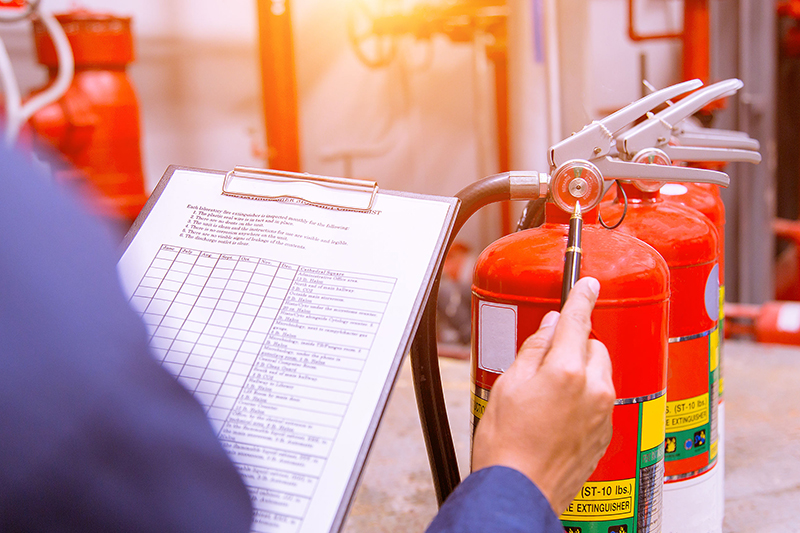
| 3. Evaluate, Remove & Reduce | Check fire doors, detection, emergency lighting, and extinguishers | Lowers fire risk and fixes weak points early |
| 4. Record, Plan & Train | Document findings in writing, prepare an emergency plan, and train staff | Meets statutory rules and prepares teams to act calmly |
| 5. Review & Update | Revisit the assessment annually or after layout, stock, or staffing changes | Keeps controls accurate as the workplace evolves |
Regular Review and Ongoing Monitoring
A Fire Risk Assessment is a living document rather than a one-off report. Workplaces change constantly as new machinery arrives, partitions are moved, or seasonal stock builds up in storage areas. Routine monitoring ensures those day-to-day changes do not accidentally block escape routes or compromise fire compartmentation.
Reviewing the assessment at least once every 12 months, and immediately after any near-miss incident or refurbishment, keeps risk controls sharp and shows regulators a genuine commitment to workplace safety.
Legal Duties and Employee Fire Safety Training
Under the Regulatory Reform (Fire Safety) Order 2005, the Responsible Person must ensure employees receive clear fire safety instruction during induction and periodic refresher training. Designated fire wardens and marshals also need practical training on sweep checks, assembly point roll calls, and safe use of fire equipment where appropriate.

For staff or managers leading fire safety compliance across larger or higher-risk sites, accredited qualifications such as the NEBOSH Certificate in Fire Safety provide specialist grounding in hazard control and UK fire legislation.
Practical Workplace Fire Prevention Measures
Strong fire prevention relies on consistent daily habits backed by properly maintained systems. Four core measures keep most commercial premises well protected:
Safe Flammable Storage
Store aerosols, solvents, and fuels in ventilated metal cabinets well away from electrical switchgear and escape corridors.
Clear Escape Routes & Exits
Keep corridors, stairwells, and final exit doors completely free of pallets, bins, and deliveries at all times.
Tested Detection & Alarms
Carry out weekly call-point tests and six-monthly servicing to keep your fire safety certificate and logbook current.
Routine Fire Drills
Run scheduled evacuation drills so every employee knows their nearest exit, assembly point, and warden instructions.
UK Fire Safety Regulations at a Glance
According to GOV.UK workplace fire safety guidance, every business and non-domestic premises must record its full Fire Risk Assessment and fire safety arrangements in writing, regardless of employee numbers. Keeping documented proof of regular inspections, staff training, and equipment servicing protects organisations from enforcement notices, prohibition orders, and unlimited fines.
Frequently Asked Questions
+What are the most common misconceptions about Fire Risk Assessments?
+How can digital tools improve workplace fire risk management?
+Do different industries need tailored fire risk assessments?
+What obstacles commonly delay implementing assessment actions?
+How can businesses measure whether their fire safety strategy is working?
Conclusion
A Fire Risk Assessment is essential because it turns fire safety from reactive guesswork into a clear, repeatable system. By identifying hazards early, training staff properly, and keeping written records up to date, UK businesses and property owners protect lives, safeguard assets, and stay fully compliant year-round.
Need a Workplace Fire Risk Assessment in London?
Book an experienced assessor for your office, shop, warehouse, or residential block and receive a clear, compliant written report.
Call us on 020 4518 8198 or email info@landlordcertificatelondon.co.uk
About the Author: Hassan Sharif

Related Posts
Get Social
Recent Posts
- Asbestos Management Surveys for London Rental Properties: CAR 2012 Landlord Guide
- Commercial Fire Risk Assessment London: Workplace Fire Compliance & Safety Certification
- Commercial Gas Safety Certificate CP42 London: Commercial Kitchen & Catering Compliance
- Landlord Gas Safety Certificate CP12 London: Annual Inspection & Legal Compliance Guide
- Commercial EICR London: Business Electrical Testing & Workplace Compliance Guide