




Legionella Risk Assessment London ( Residential )
Start from £210.00
All inclusive (No hidden Cost)
Excellent

 Trustpilot
about 2 months ago
Great service
Booked gas, EICR and fire safety checks. Easy online booking, good communication from office team and engineer, arrived on time, friendly service, certificates issued promptly. Great service.
about 2 months ago
Very good process and available at…
Very good process and available at short notice.
about 2 months ago
Great company.
Prompt service. Excellent inspection. Competitive price.
about 2 months ago
Excellent service from start to finish
Excellent service from start to finish. The gas safety certificate and electrical certificate were completed professionally and efficiently. The engineer was punctual, polite and knowledgeable, and explained everything clearly. The whole process was smooth and the certificates were provided promptly. I would definitely recommend this company to other landlords and will use them again.”
about 2 months ago
Great service and really good value
Great service and really good value for money! I got an appointment for the next day, and the certificate was issued on the same day as the inspection. Everything was quick, easy and hassle-free. Definitely recommend!
about 2 months ago
I had a very positive experience with…
I had a very positive experience with this company. The service was professional, friendly, and efficient from start to finish. Communication was clear, and everything was handled exactly as promised.I’m very happy with the overall experience and would definitely recommend this company to anyone looking for reliable, professional service.
What is Electrical Diagnostic?
Electrical diagnostic is the process of assessing an electrical system to determine if there are any problems with it. This can be done for a variety of reasons, such as to troubleshoot a problem or to make sure that a system is functioning properly.
There are a number of different methods that can be used for electrical diagnostic, such as testing the voltage, current, or resistance of a system. Additionally, visual inspections can also be helpful in identifying any potential problems.
Once any issues are identified during an electrical diagnostic, they can then be addressed accordingly. This may involve making repairs to the system or replacing components as necessary. Electrical diagnostic can help to ensure that an electrical system is safe and reliable.
If you want an EICR – Electrical Installation Condition Report done at your property us well, book your EICR Online.
*£5 Parking charges are applicable in case of paid parking.
*£18 Congestion Charge applicable in case the property is in congestion charge zone
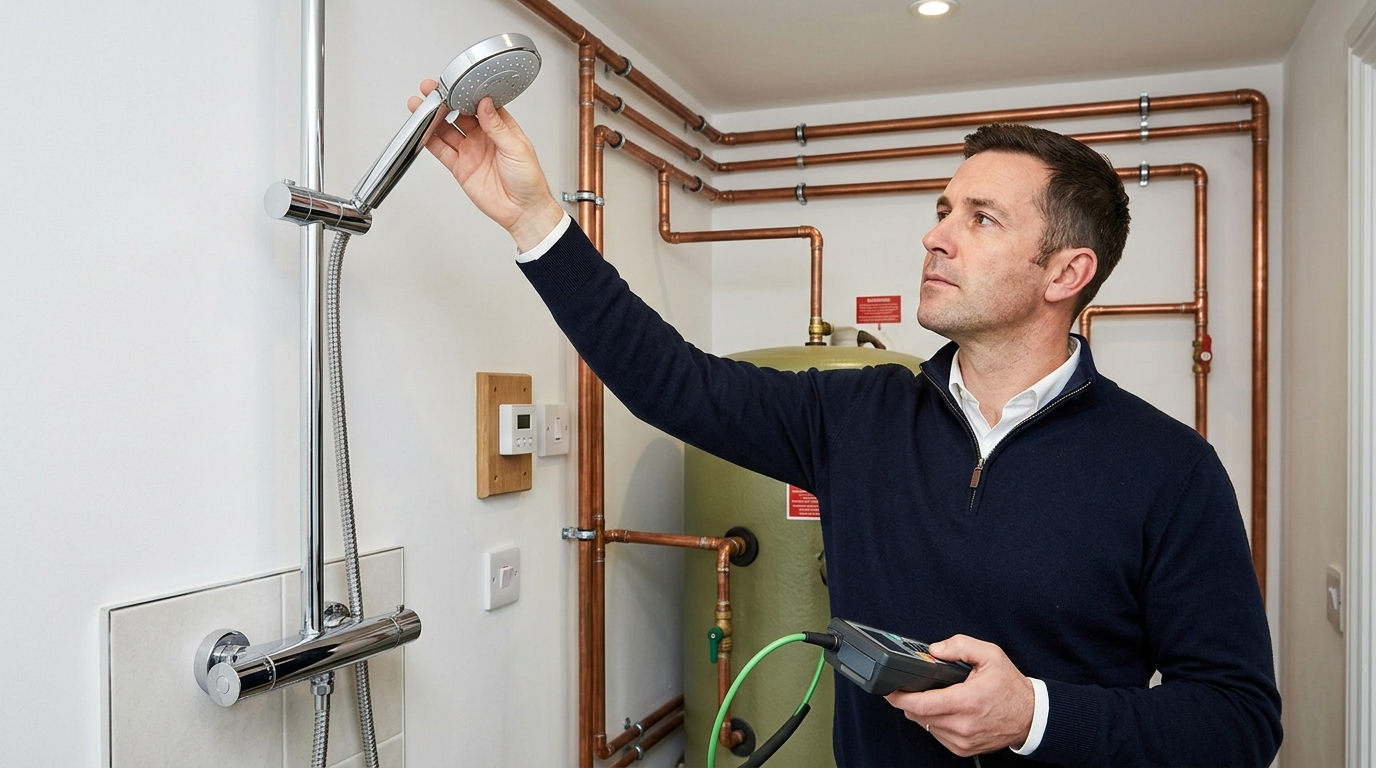
Keep Your Tenants Safe and Your Rental Property Compliant
Landlord Certificate London provides clear and affordable Legionella risk assessments for landlords, rental properties and HMOs across London, with prices starting from £210.
Our qualified assessors review your property’s hot and cold water systems, identify potential Legionella risks and provide a straightforward written report explaining what was found and what, if anything, needs to be done.
- Prices starting from £210
- Clear, jargon-free reports
- Experienced with landlords and HMOs
- Affordable London pricing
- Practical recommendations
- HSE guidance followed
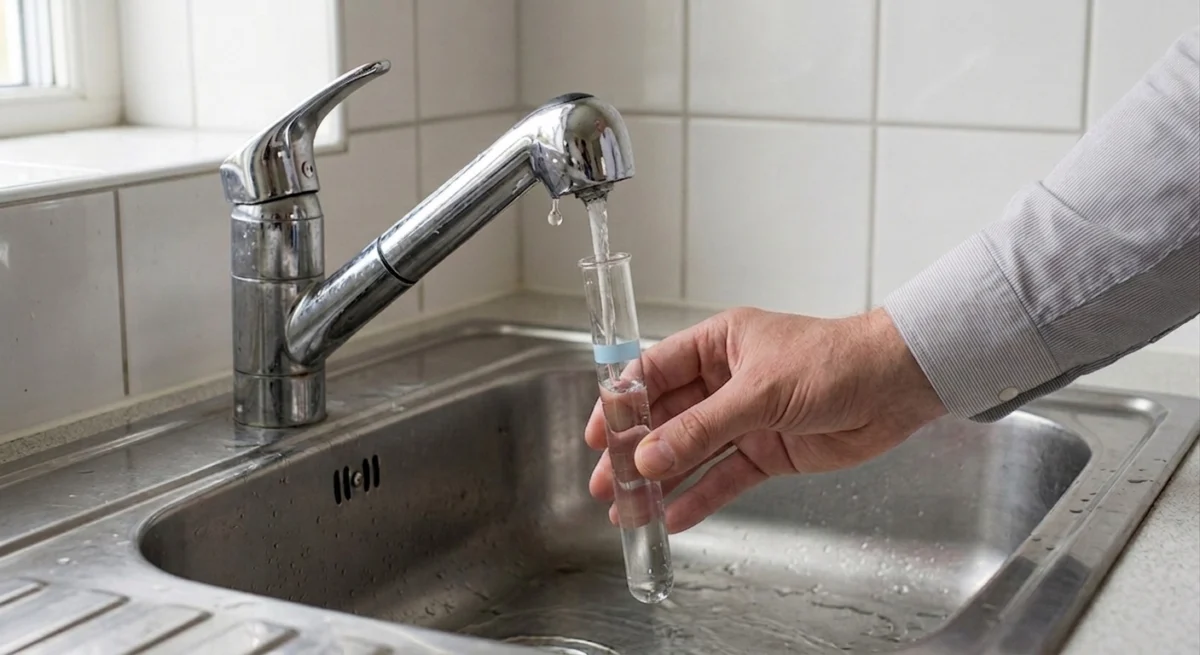
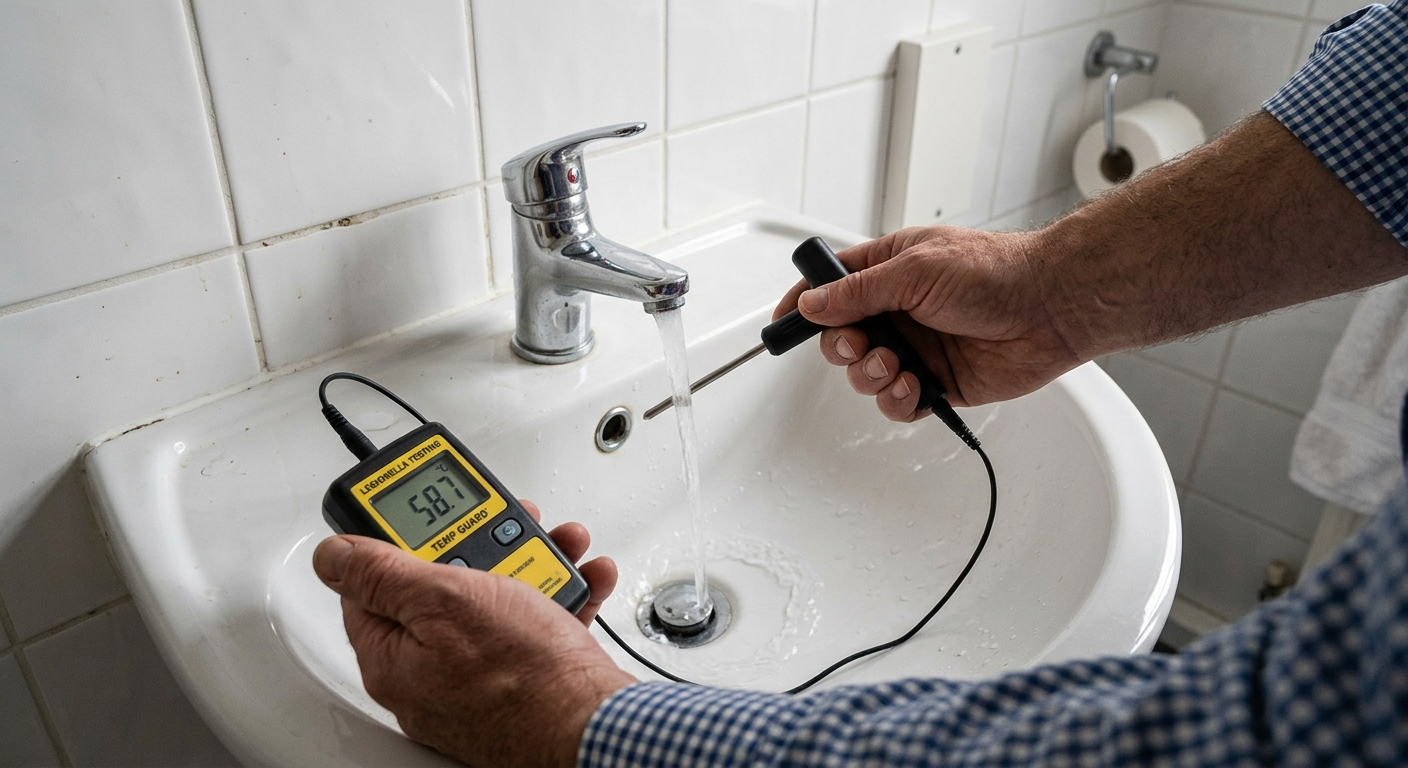
Is a Legionella Certificate a Legal Requirement for Landlords?
You may hear the term “Legionella certificate”, but the important requirement is to assess and manage the risk rather than simply purchase a particular certificate.
Routine Legionella water testing is also not automatically required for every normal domestic rental property.
For a straightforward rental home with a simple hot and cold water system, the risk may often be controlled through practical measures such as suitable temperatures, regular use of outlets and keeping showers clean.
Using a competent professional can be useful when you want an independent assessment and a clear written report for your property records.
Residential Properties We Cover
We provide Legionella risk assessments for a wide range of residential and rental properties across London, including:
Every property is different, so the assessment is tailored to the size, layout and complexity of the water system.
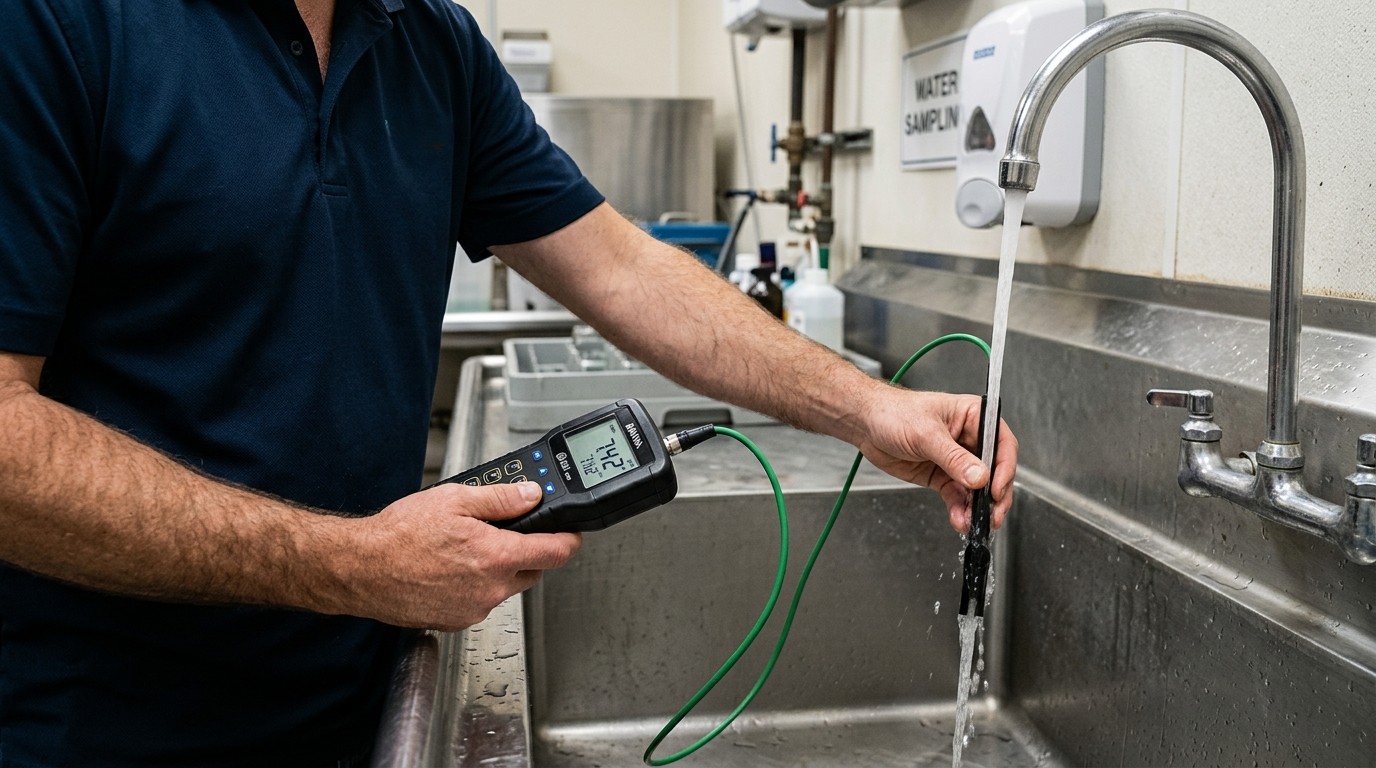
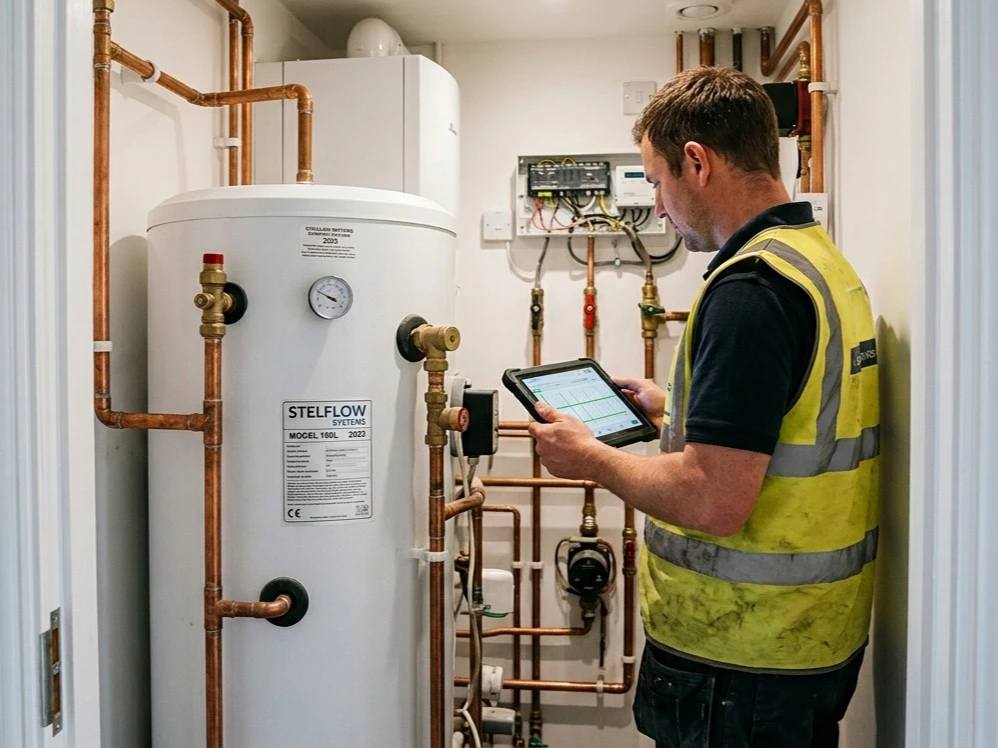
Legionella Risk Assessments for Rental Properties
Most normal rental homes have relatively straightforward water systems.
For example, a flat with a combi boiler and mains-fed cold water may present fewer potential areas of concern than a larger property with stored water, cylinders or longer pipework.
Even where the risk is low, landlords should still consider whether suitable control measures are in place.
Common measures may include:
Our assessment helps you understand the actual level of risk at your property without recommending unnecessary work.
Legionella Risk Assessments for HMOs
HMOs can require more careful consideration because several people may share the same water system.
The property may have more showers and taps, greater hot-water demand, longer pipework runs and outlets that are used at different frequencies by different tenants.
During an HMO assessment, we consider factors such as:
A clear assessment helps landlords and property managers identify practical measures for controlling the risk.

Our Residential Legionella Assessment Process
We keep the process simple from booking through to your completed report.
1. Tell Us About Your Property
Provide some basic information about the property and its water system.
This helps us understand the type of assessment required.
2. Arrange the Site Visit
We arrange a convenient appointment for the assessor to visit your property.
Access may be required to taps, showers, boilers, cylinders, water tanks and other relevant parts of the water system.
3. We Assess the Water System
The assessor reviews the system, identifies possible areas of risk and considers the control measures already in place.
Where appropriate, water samples may also be taken.
4. Receive Your Report
After the visit, you receive a clear written report. The report explains different things like what was inspected, any risks identified, the overall risk level, existing control measures, and recommended actions
5. Follow the Recommended Actions
Provide some basic information about the property and its water system.
This helps us understand the type of assessment required.
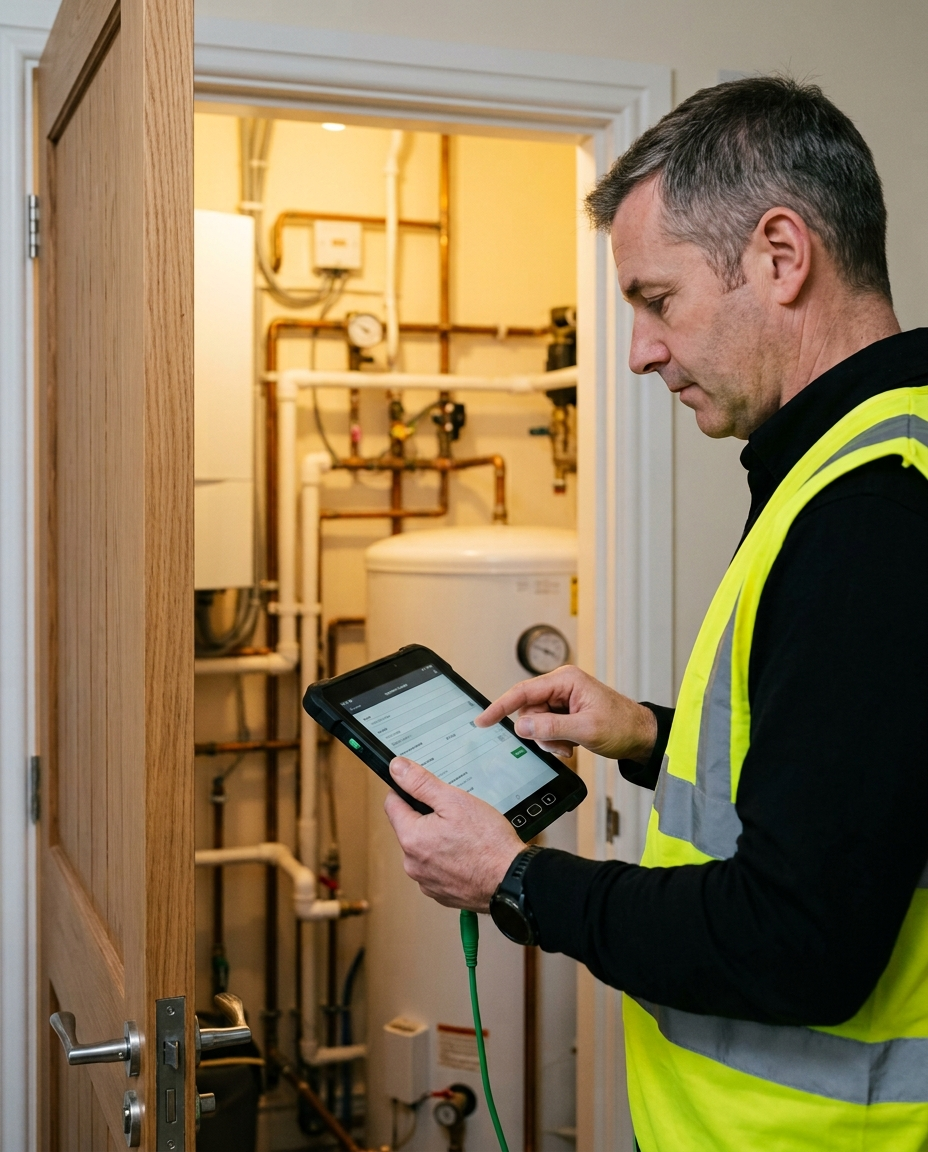
What Does a Residential Legionella Risk Assessment Include?
Our assessor carries out a review of the property’s water system during the site visit.
Depending on the property, the assessment may include the following.
Hot and Cold Water Systems
We review how water enters, moves around and leaves the property, including relevant pipework and stored-water arrangements.
Water Temperatures
Water temperatures may be checked to determine whether the system is operating in a way that helps control Legionella growth.
Water Storage Tanks and Cylinders
Where tanks or cylinders are present, their condition and operation are considered as part of the assessment.
Showers and Spray Outlets
Showers and other outlets that produce fine water droplets are reviewed because contaminated water droplets can provide a route of exposure.
Legionella Risk Assessment vs Legionella Water Testing
A Legionella risk assessment and Legionella water testing are not the same service.
What Is ACoP L8?
ACoP L8 is the Health and Safety Executive’s Approved Code of Practice and guidance relating to the control of Legionella bacteria in water systems.
It provides guidance for landlords, employers and other duty holders on managing Legionella risks.
Additional technical guidance is provided through HSG274.
Our Legionella risk assessments take relevant HSE guidance, including ACoP L8 and HSG274, into account.
Frequently Asked Questions
Excellent
Trustpilotabout 2 months ago
Great service
Booked gas, EICR and fire safety checks. Easy online booking, good communication from office team and engineer, arrived on time, friendly service, certificates issued promptly. Great service.
about 2 months ago
Very good process and available at…
Very good process and available at short notice.
about 2 months ago
Great company.
Prompt service. Excellent inspection. Competitive price.
about 2 months ago
Excellent service from start to finish
Excellent service from start to finish. The gas safety certificate and electrical certificate were completed professionally and efficiently. The engineer was punctual, polite and knowledgeable, and explained everything clearly. The whole process was smooth and the certificates were provided promptly. I would definitely recommend this company to other landlords and will use them again.”
about 2 months ago
Great service and really good value
Great service and really good value for money! I got an appointment for the next day, and the certificate was issued on the same day as the inspection. Everything was quick, easy and hassle-free. Definitely recommend!
about 2 months ago
I had a very positive experience with…
I had a very positive experience with this company. The service was professional, friendly, and efficient from start to finish. Communication was clear, and everything was handled exactly as promised.I’m very happy with the overall experience and would definitely recommend this company to anyone looking for reliable, professional service.
Book a Residential Legionella Risk Assessment in London
Protect your tenants and keep your rental property compliant with a professional Legionella risk assessment. Landlord Certificate London provides assessments for landlords, rental properties, HMOs and managed residential properties across London.
You receive: