




Portable Appliance Test
Start from £59.99
All inclusive (No hidden Cost)
Excellent

 Trustpilot
about 2 months ago
Great service
Booked gas, EICR and fire safety checks. Easy online booking, good communication from office team and engineer, arrived on time, friendly service, certificates issued promptly. Great service.
about 3 months ago
Very good process and available at…
Very good process and available at short notice.
about 2 months ago
Great company.
Prompt service. Excellent inspection. Competitive price.
about 3 months ago
Excellent service from start to finish
Excellent service from start to finish. The gas safety certificate and electrical certificate were completed professionally and efficiently. The engineer was punctual, polite and knowledgeable, and explained everything clearly. The whole process was smooth and the certificates were provided promptly. I would definitely recommend this company to other landlords and will use them again.”
about 3 months ago
Great service and really good value
Great service and really good value for money! I got an appointment for the next day, and the certificate was issued on the same day as the inspection. Everything was quick, easy and hassle-free. Definitely recommend!
about 3 months ago
I had a very positive experience with…
I had a very positive experience with this company. The service was professional, friendly, and efficient from start to finish. Communication was clear, and everything was handled exactly as promised.I’m very happy with the overall experience and would definitely recommend this company to anyone looking for reliable, professional service.

*£5 Parking Charges are applicable in case of paid parking.
*£18 Congestion Charge applicable in case the property is in congestion charge zone
What is PAT (Portable Appliance Test)?
A portable appliance test, or PAT, is a procedure used to ensure that electrical appliances are safe to use. In the United Kingdom, portable appliance testing is a requirement for any business that uses electrical equipment.
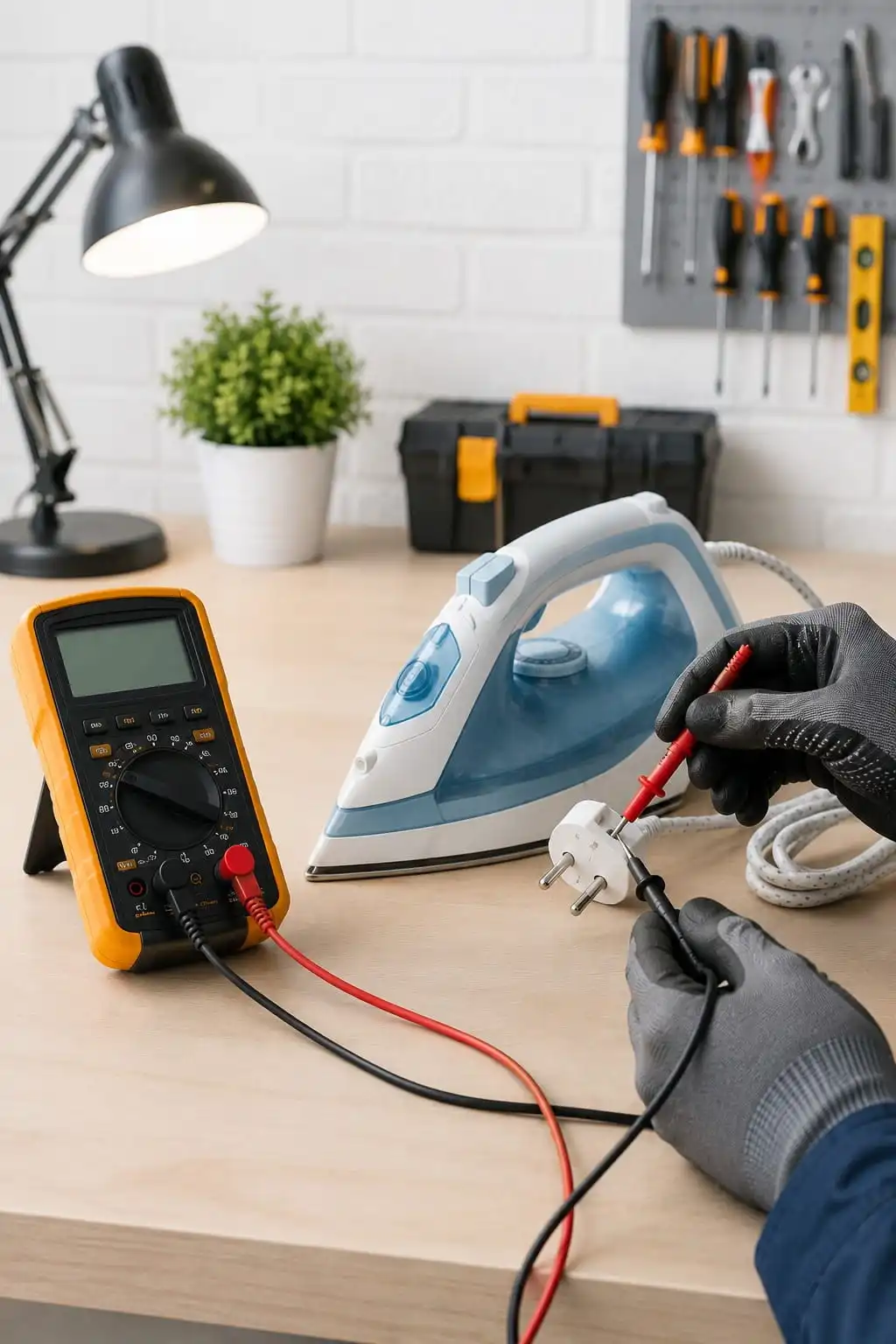
PAT testing involves using specialised equipment to test the electrical safety of an appliance. Appliances that pass the test will be given a label or certificate to show that they are safe to use.
PAT testing is an important part of any business’s health and safety procedures. By making sure that all electrical equipment is safe to use, businesses can minimise the risk of accidents and injuries.
If you’re looking for portable appliance testing in the UK, make sure to choose a reputable, and at Landlord Certificate London, we employ all NIECIE Certified electricians.
Portable Appliance Testing London
Whether you manage one rental flat or an entire commercial office, every electrical appliance in that property is somebody’s responsibility. Our PAT testing service gives you the documentation, the peace of mind, and the compliance record you need done properly, on time, and without the hassle.
✔️ From £59.99 ✔️ No hidden charges ✔️ Certificate same day ✔️ All London areas
Is PAT Testing a Legal Requirement?
The simple answer is no. There is no specific UK law stating that appliances have to be PAT tested annually. But property owners, property managers, and landlords are responsible for ensuring the safety of electrical equipment. PAT testing is a procedure of verifying the safety of the device and presenting proof that electrical equipment is being well-maintained.
Supporting Safer Properties, Workplaces and
Public Environments
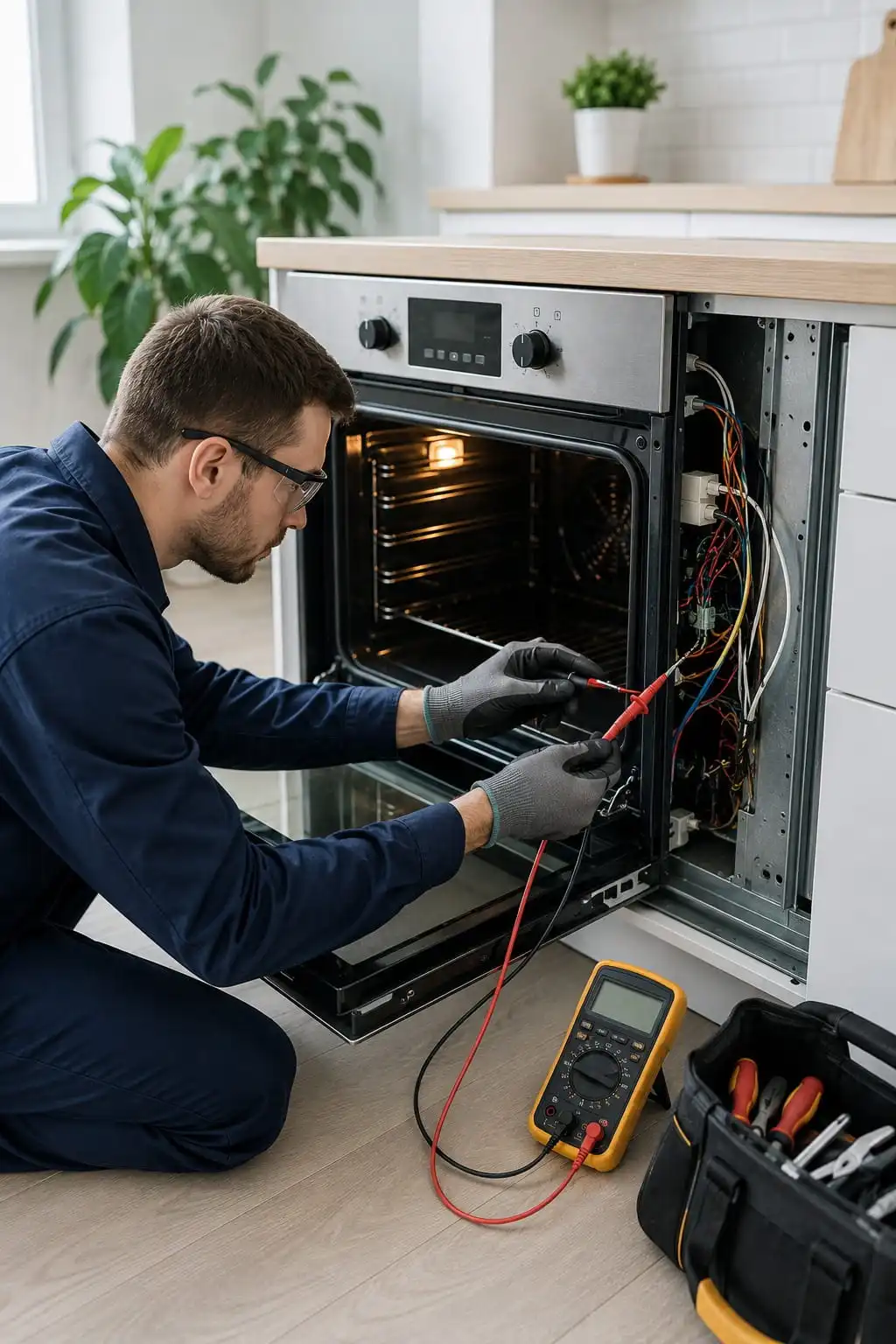
Electrical appliances are a daily part of life. They are widely utilised in kitchens as well as in offices, healthcare facilities, and educational institutions. Usually damaged during movement or storage, equipment often hides this damage from daily inspections. Regular PAT testing enables businesses and property owners to spot these problems and keep themselves safe, and reduce their risk of equipment-related electrical failures.
What Our Engineers Actually Test and
Why Each Check Matters
Visual Inspection of the Appliance
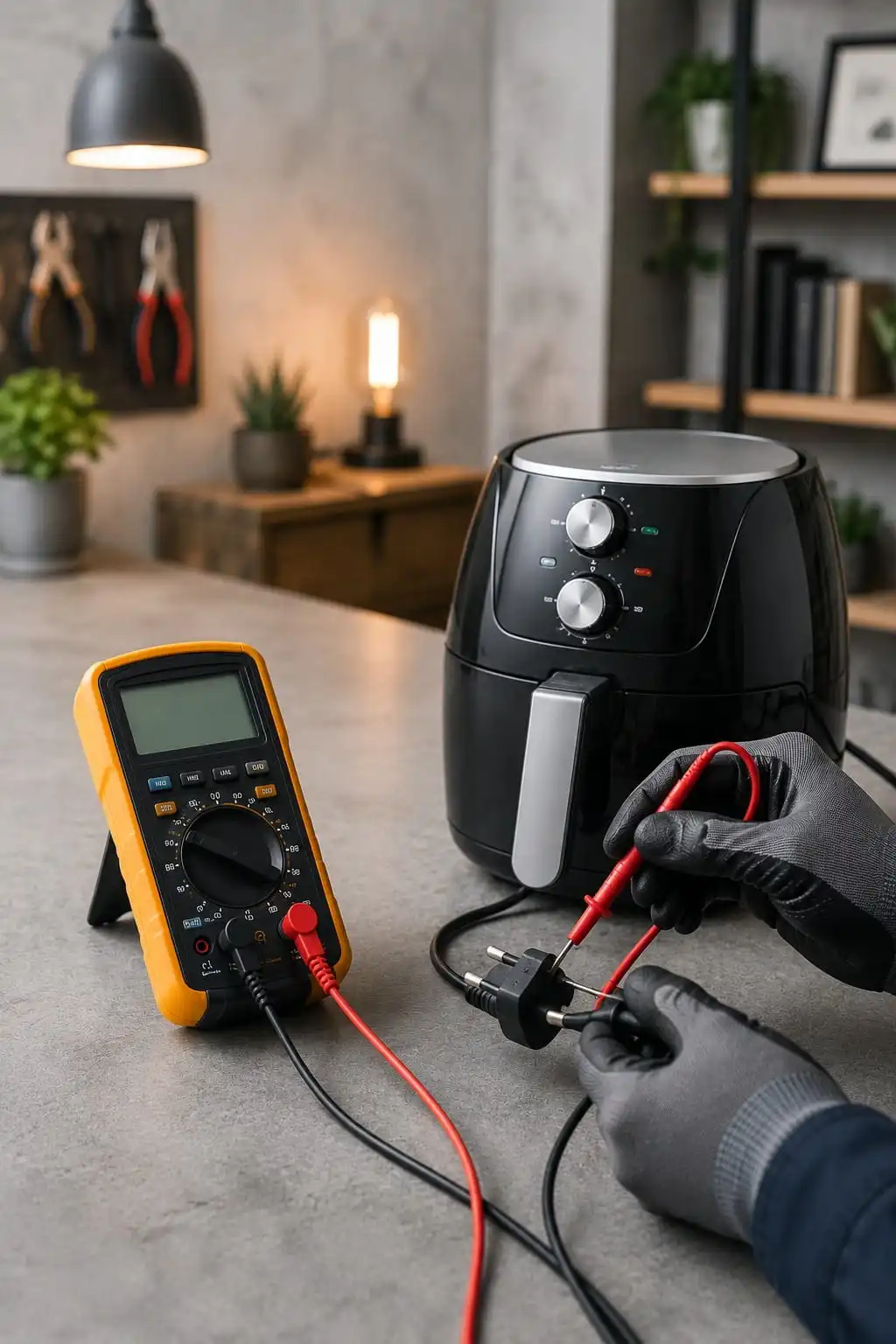
Before any testing equipment is connected, our engineer does a thorough visual check of the appliance itself. They are looking for signs of physical damage, cracked casings, evidence of overheating, burn marks, loose components, or any modification that might have introduced a risk. Many appliances that fail do so at this stage, because the damage is obvious once you know what to look for.
Plug & Cable Examination
The cable and plug are often where the real problems are. If cables are twisted, pulled, or trapped under furniture, they get damaged on the inside. You cannot always see this damage from the outside. That is why we check the plug very carefully. We look for burning or overheating, make sure the fuse is correct, and ensure all internal wires are tightly and safely connected. A wrongly fused plug is genuinely dangerous; it will not blow at the right current and removes a key layer of protection.
Earth Continuity Test
For Class 1 appliances, those with a metal casing, the earth conductor must provide a continuous, low-resistance path from the casing back to the plug pin. If that path is broken or has developed high resistance, the casing can become live in a fault condition without any protection device tripping. This test confirms the earth path is intact and within acceptable resistance limits as defined by the IET Code of Practice.
Insulation Resistance Test
This test checks that the insulation surrounding the live conductors inside the appliance is working properly. A high voltage (typically 500V DC) is applied between the live conductors and the appliance casing, and the resistance of the insulation is measured. A healthy appliance will show very high resistance; anything that has degraded insulation, internal damage, or moisture ingress will show a low reading and fail. This is one of the most important tests because it detects faults that are completely invisible from the outside.
From Booking to Certificate:
Here Is What to Expect
We keep the process as simple as possible. No complicated forms, no unclear pricing, no surprises when we arrive.
How Often Should You Get
Your Appliances Tested?
There is no single blanket answer to this and anyone who tells you there is, is oversimplifying. The correct testing frequency depends on the type of appliance, the environment it is used in, and who is using it. Here is a practical guide based on current IET guidance:
Construction Sites
Hand-held tools: every 3 months. Equipment in good condition: every 12 months.
Industrial Premises
Portable tools: every 6–12 months, depending on usage and risk.
Offices & Schools
IT equipment and stationery appliances: every 2–4 years. Portable equipment: annually.
Rental Properties
Between every tenancy change, or at minimum every 12 months in occupied HMOs.
What Makes Our PAT Testing Different
Excellent
Trustpilotabout 2 months ago
Great service
Booked gas, EICR and fire safety checks. Easy online booking, good communication from office team and engineer, arrived on time, friendly service, certificates issued promptly. Great service.
about 3 months ago
Very good process and available at…
Very good process and available at short notice.
about 2 months ago
Great company.
Prompt service. Excellent inspection. Competitive price.
about 3 months ago
Excellent service from start to finish
Excellent service from start to finish. The gas safety certificate and electrical certificate were completed professionally and efficiently. The engineer was punctual, polite and knowledgeable, and explained everything clearly. The whole process was smooth and the certificates were provided promptly. I would definitely recommend this company to other landlords and will use them again.”
about 3 months ago
Great service and really good value
Great service and really good value for money! I got an appointment for the next day, and the certificate was issued on the same day as the inspection. Everything was quick, easy and hassle-free. Definitely recommend!
about 3 months ago
I had a very positive experience with…
I had a very positive experience with this company. The service was professional, friendly, and efficient from start to finish. Communication was clear, and everything was handled exactly as promised.I’m very happy with the overall experience and would definitely recommend this company to anyone looking for reliable, professional service.
Frequently asked questions.
Frequently asked questions.


*£5 Parking Charges are applicable in case of paid parking.
*£18 Congestion Charge applicable in case the property is in congestion charge zone