




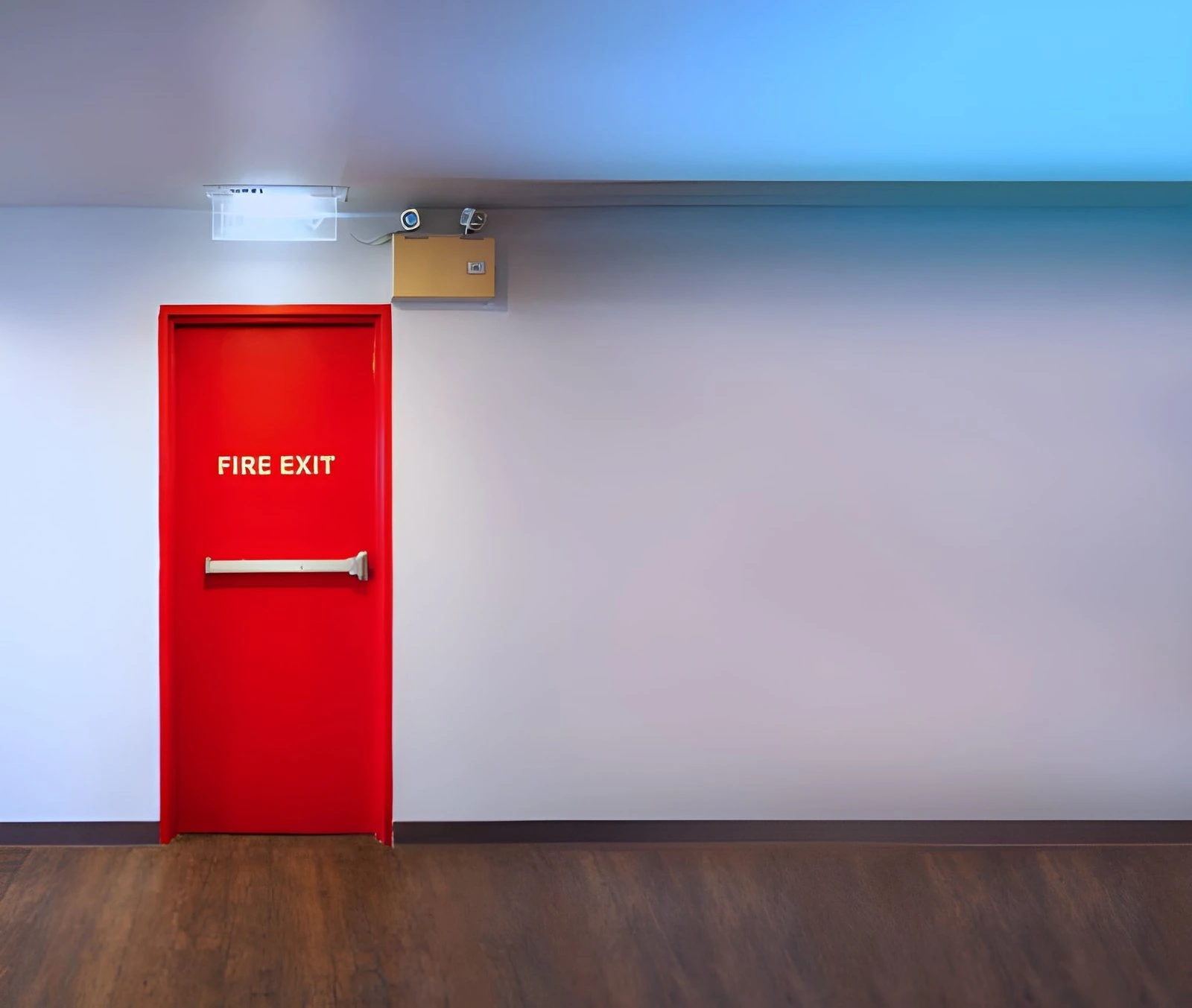
Fire door records help property managers track inspections, repairs, and safety issues clearly. These records are important because they show whether fire doors are being checked, maintained, and repaired when needed.
Records linked with a Fire Door Risk Assessment help show the condition of each door. They can highlight problems with seals, frames, hinges, gaps, closers, signage, and general door performance.
Good recordkeeping helps reduce missed repairs and improves communication between inspection and maintenance teams. It also supports safer fire compartment control and makes future safety reviews easier to manage.
Key Takeaways
- Accurate records reduce safety management issues.
- Structured reports improve inspection tracking.
- Organised files help reduce compliance delays.
- Clear notes support faster maintenance work.
- Updated records improve risk tracking.
- Reliable data improves inspection quality.
- Clean reports support smoother workflow.
- Strong documentation improves management transparency.
- Proper records support faster verification.
- Reliable logs support long-term fire safety control.
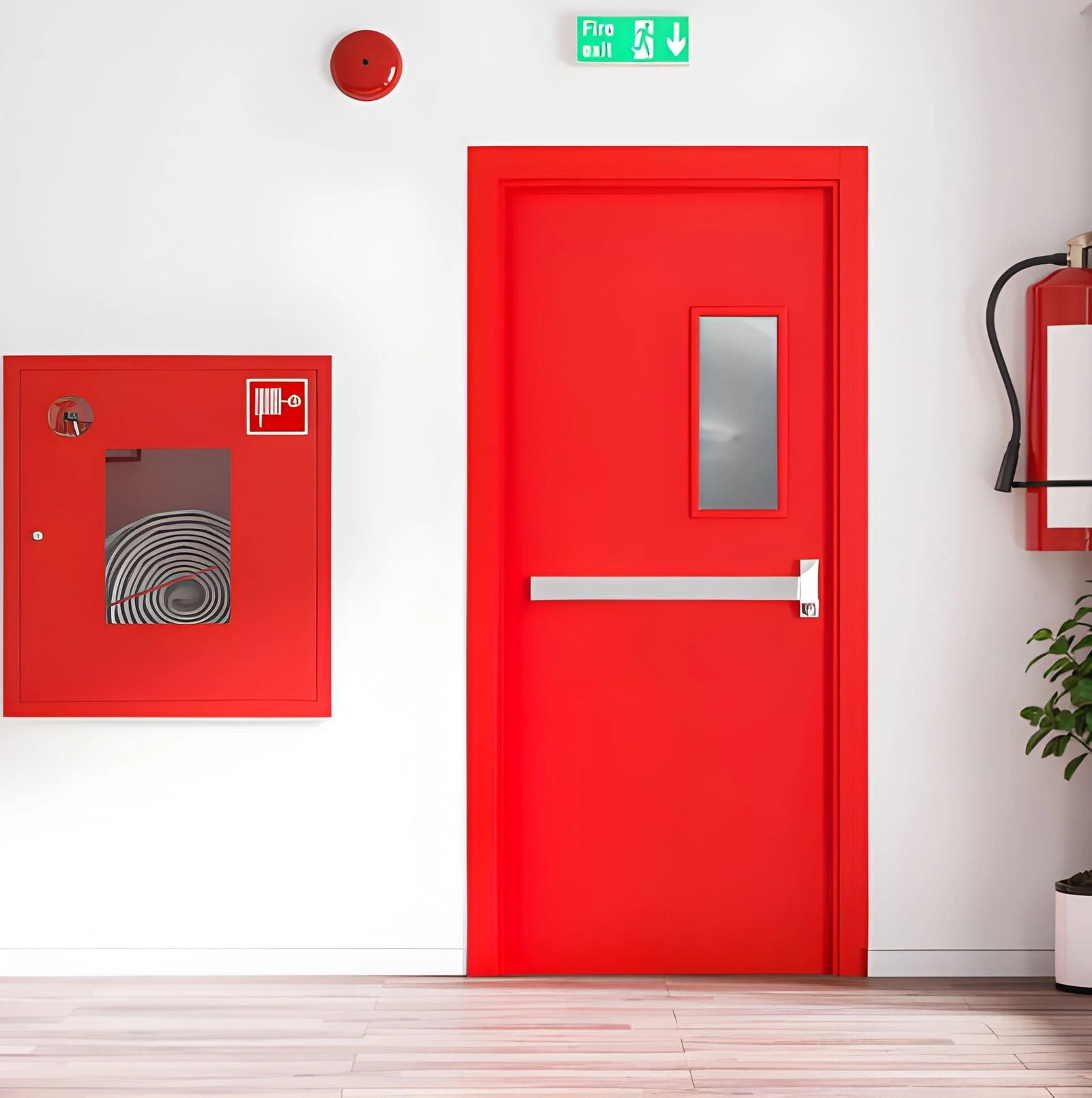
Why Documentation Is Required After an Assessment
After a fire door assessment, clear records help property managers track faults, repairs, and follow-up actions. These records show what was checked, what problems were found, and what work may be needed.
Reports from a Fire Door Risk Assessment can help identify safety gaps and support maintenance planning. They also reduce confusion because managers, inspectors, and maintenance teams can all work from the same information.
Good documentation supports better decisions and helps ensure that fire door issues are not ignored. A detailed Fire Door Risk Assessment also helps maintain consistency in reporting and improves long-term safety tracking.
Documentation Role in Safety Management Systems
Clear records help track fire door performance and compliance requirements. They also help building managers understand which doors need repairs, which doors have already been checked, and which areas may need closer attention.
Structured documentation improves maintenance planning and gives safety teams better control over fire protection records. Regular updates from a Fire Door Risk Assessment ensure that records remain accurate and useful.
Fire Door Safety Documentation
Fire door safety documentation connects inspection results with compliance duties. A Fire Door Risk Assessment can review the condition of fire doors and highlight defects that may affect safety.
A certified fire door inspection can also provide clear evidence of door condition. This helps property managers keep reliable records and take action where needed. Combining inspection results with a Fire Door Risk Assessment strengthens overall documentation quality.
Who Is Responsible for Maintaining Fire Door Documentation?
Clear responsibility helps keep fire door records accurate and up to date. When each team understands its role, it becomes easier to manage inspections, repairs, and safety reports.
Good responsibility control also reduces confusion between property managers, maintenance teams, compliance staff, and inspectors.
Key responsibility areas include:
- Property managers oversee document storage and updates
- Maintenance teams record repair and condition details
- Compliance staff review reports and safety records
- Inspectors submit verified assessment documents
- Management teams approve corrective action records
Essential Checklists for Fire Door Assessment Reporting
Clear reports help safety teams track fire door condition and required actions. A good fire door report should include details about the door, frame, seals, hinges, closer, signage, gaps, and any visible damage.
Inspection records should also show whether repairs are needed and when follow-up action should be completed.
| Area | Column 2 |
|---|---|
| Door condition | Damage or wear |
| Seals | Gaps or fitting issues |
| Hardware | Hinges, handles, locks, and closers |
| Testing | Fire door inspection result |
| Report | Fire door assessment summary |
A structured checklist makes the reporting process easier and helps ensure that important details are not missed.
How Proper Documentation Prevents Legal and Financial Risks
Clear fire door records can help property managers show that inspections and maintenance work have been completed. This can support compliance, reduce confusion, and improve accountability.
Poor records can create problems during safety reviews. Missing reports, unclear repair notes, and outdated files can make it harder to prove that fire door safety has been managed properly.
Good documentation helps reduce legal, financial, and operational risks by keeping important safety information clear and traceable. A well-documented Fire Door Risk Assessment can also support evidence during audits or inspections.
Risk Control Documentation
Strong records make it easier to manage fire safety operations across a building. They help teams track inspections, repairs, maintenance updates, and outstanding issues.
Clear reporting also improves accuracy and supports regular review of fire protection systems.
5 Challenges in Managing Fire Door Documentation Effectively
1. Poor Record Consistency
Inconsistent records can create confusion and make it harder to understand the true condition of fire doors.
2. Data Fragmentation Issues
When information is stored in different places, teams may struggle to find the latest reports, repair notes, or inspection results.
3. Weak Team Coordination
Poor communication between teams can lead to missing records, delayed repairs, and weak safety control.
4. Storage System Limitations
Old or unorganised storage methods can slow access to important reports and make updates harder to manage.
5. Need for Structured Documentation
A clear documentation system improves accuracy, supports fire door risk management, and helps teams stay organised.
Frequently Asked Questions
Yes. Proper fire door records support compliance by showing that inspections, repairs, and safety checks have been completed.
Yes. Written proof helps show what was checked, what issues were found, and what action was taken.
Fire door safety records are usually updated by property managers, compliance teams, maintenance teams, or qualified inspectors.
Yes. Clear reporting can reduce risk by showing that fire door safety issues were identified, recorded, and managed properly.
Formal reports are strongly recommended because they provide a clear record of the inspection findings and any required actions.
Conclusion
Fire door documentation is an important part of safety management. Clear records linked with a Fire Door Risk Assessment help property managers track door condition, repairs, compliance duties, and follow-up actions.
Good records improve coordination between inspection teams and maintenance teams. They also reduce confusion during safety checks and help keep fire protection systems properly managed.
Organised fire door records make safety processes easier, clearer, and more reliable across property management. Regular use of a Fire Door Risk Assessment ensures that safety standards are consistently maintained.
Landlord Certificate London provides fire safety documentation, inspections, and compliance record support. Contact the team for professional assistance and reliable fire safety services.
About the Author: HarisAdmin

Related Posts
Recent Posts
- Residential EICR London: Complete Electrical Safety Inspection Guide for Landlords & Homeowners
- Property Owners and Landlords Across London
- Emergency Lighting Assessment Failure Signs: 4 Critical Indicators Your System Needs Immediate Attention
- Annual Fire Alarm Inspection Checklist and Industrial Facility Solutions Safety Plan: 5-Step Shield
- Fuse Box Installation by a Certified Fuse Box Electrician for Circuit Failures and Safety Control




Get Social