




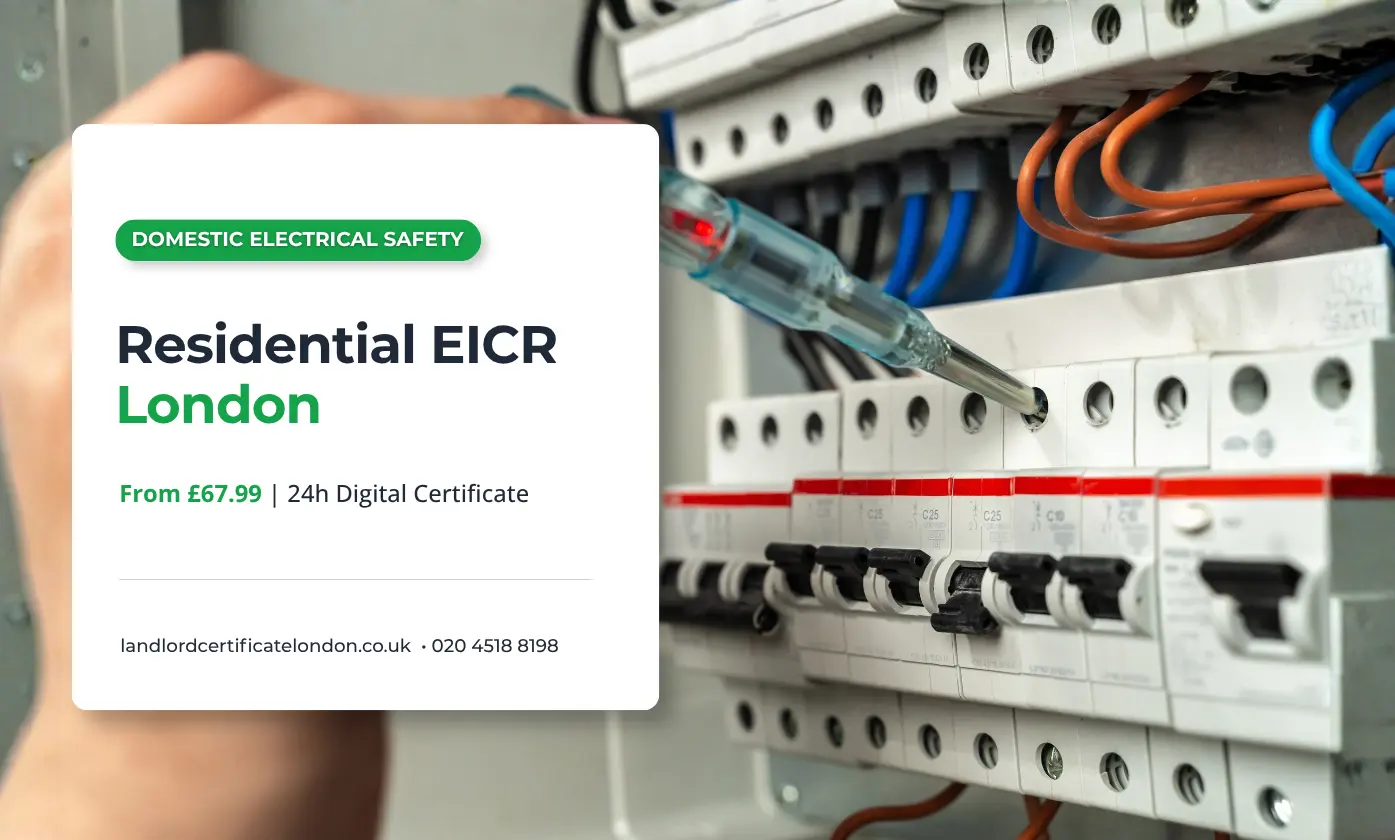
A residential EICR shows whether a home’s fixed electrical installation is safe and where attention is needed. For London landlords, it records the condition of the fixed electrics and supports rental compliance. For homeowners, it gives a clear view of wiring, sockets, earthing, protective devices and the consumer unit before small faults become bigger problems. The aim is to spot safety issues early and deal with them before they become harder to manage.
If you are arranging a test, start with the property details and the date of the last report. Tell the electrician about any faults you already know about, recent electrical work and anything that could make access difficult. That usually gives the engineer a better picture before the visit starts.
An EICR is most useful when you treat it as a working safety record rather than just another certificate to file away. Read the observations, keep any remedial paperwork with the report and note the next inspection date. Doing that makes future renewals, tenant handovers and council requests much easier to deal with. It also gives you a cleaner record if responsibility passes to an agent. That small habit can save time when a tenant changes or another contractor needs to see the history.
What Is a Residential EICR?
An Electrical Installation Condition Report checks a home’s fixed electrical installation. A qualified person inspects and tests it, records defects and decides whether it is safe for continued use. The completed EICR records the findings and recommends when the next inspection is due.
The inspection follows BS 7671, the IET Wiring Regulations, often called the BS 7671 18th edition. In 2026, BS 7671:2018+A4:2026 was published, while Amendment 3:2024 remains valid until 15 October 2026. The inspection should use the version that applies on the date of testing, not an older checklist.
For homeowners, an EICR can be useful before renovation, after buying an older property or when electrical faults keep returning. It records the condition found on the day, rather than giving only a pass-or-fail label. It also notes observations and agreed limitations. That helps you separate urgent safety work from improvements that can be planned later.
An EICR is useful for compliance, but it is also a practical record of the installation. It can uncover age-related problems before other work starts. It also gives you something concrete to refer back to later. Common reasons for arranging one include:
- let a property in London
- buy an older home and want to understand the electrical condition
- experience repeated tripping, overheating or unexplained electrical faults
- plan major refurbishment or consumer unit work
Is an EICR a Legal Requirement for London Landlords?
Yes. Under the Electrical Safety Standards in the Private Rented Sector (England) Regulations 2020, covered landlords must have the fixed installation inspected by a qualified person at least every five years, or sooner if the report specifies. These PRS electrical safety regulations now also extend to social rented homes.
If you are a landlord in London, your electrical safety responsibilities go beyond arranging an inspection. Give the report to existing tenants within 28 days, to new tenants before occupation, and to the council within seven days if formally requested. London landlords commonly use an EICR to document the condition of the property’s fixed electrical installation.
Your basic compliance checklist should be easy to review without searching through old emails. Keep the key dates and documents together so you can act before a deadline becomes urgent. Use the following minimum checks.
- arrange the 5 year electrical test before the current report expires
- use a qualified person
- keep the EICR and any remedial certificates together
- act on C1, C2 or FI findings within the required timeframe
- provide copies to tenants and the council when required
The original 2020 regulations allowed local authorities to impose financial penalties of up to £30,000 for relevant breaches. Current GOV.UK guidance, reflecting the amended 2026 enforcement framework, states that councils may impose up to £40,000 for specified breaches committed from 1 May 2026. Keep the inspection, remedial evidence and tenant records together so you can show compliance if the council asks.
What Does the Domestic EICR Inspection Cover?
A domestic EICR checks the fixed electrical system rather than portable appliances. The electrician looks for deterioration, unsafe alterations, inadequate protection and other conditions that could create electric-shock or fire risk. The inspection combines visual checks with electrical testing and records the results circuit by circuit.
Typical checks cover the parts of the fixed installation that affect electrical safety. The electrician combines visual inspection with test results rather than relying on appearance alone. The main checks are listed below.
- consumer unit testing and the condition of protective devices
- fixed wiring, sockets, switches and light fittings
- earthing and bonding arrangements
- RCD protection and relevant RCD tripping tests
- signs of overheating, damage, loose connections or poor alterations
- circuit identification and test results
The electrician may need to isolate circuits, so tell tenants in advance and keep key areas accessible. The EICR report requirements include inspected circuits, test results and observations that need action. An EICR covers the fixed installation, while PAT testing deals with portable plug-in appliances.
Testing is designed to assess the installation safely, but an EICR is not normally a destructive survey of every concealed cable. If access is restricted, a circuit cannot be isolated or part of the installation cannot reasonably be inspected, the report can record that limitation. Give the electrician clear access and mention known faults beforehand, because that usually leads to a more useful report.
Residential EICR London Complete Guide
EICR Classification Codes Explained: C1, C2, C3 & FI
EICR fault codes tell you how serious an observation is and what should happen next. Codes C1, C2 and FI identify danger, potentially dangerous conditions and issues requiring further investigation, while C3 records an improvement recommendation. C1, C2 and FI normally make the report unsatisfactory.
| Code | Severity Level | Legal Impact | Required Action | Timeframe |
| C1 | Danger present | Unsatisfactory; immediate safety risk | Make safe and remove the danger | Immediate action; follow report deadline |
| C2 | Potentially dangerous | Unsatisfactory; remedial work required | Repair the defect and retain evidence | Within 28 days or sooner if specified |
| C3 | Improvement recommended | Does not by itself make the report unsatisfactory | Consider the recommended improvement | No 28-day deadline solely for C3 |
| FI | Further investigation required | Unsatisfactory pending investigation | Investigate promptly and address resulting defects | Within 28 days or sooner if specified |
If your report is unsatisfactory, treat the next step as remedial work rather than paperwork. The aim is to remove the safety issue, obtain the right follow-up certification and keep evidence of completion. Acting quickly also reduces the chance of a small defect becoming an urgent access or repair problem.
The code changes what you should do next. C1 requires immediate action to remove danger, while C2 identifies a potentially dangerous condition that needs remedial work. FI requires further investigation before the issue can be safely concluded. C3 is different: it recommends improvement but does not, by itself, make the EICR unsatisfactory.
Residential EICR Pricing Structure in London
EICR costs in London vary with property size because larger homes often have more circuits, accessories and test points. Visit Landlord Certificate London for residential EICR services; prices start from £67.99 for a studio. The published pricing structure gives landlords and homeowners a clear starting point before booking.
Current residential EICR prices should be clear before access is arranged. Property size is a useful starting point, but unusual layouts or extra consumer units can affect the scope. The current guide prices are shown below.
- Studio apartment — £67.99
- 1–3 bedrooms — £94.99
- 4 bedrooms — £104.99
- 5 bedrooms — £139.99
If a property is unusually large, has several consumer units or access problems, confirm the scope before booking. You can view the Residential EICR service page or use the online booking form for current options. Clear pricing and scope reduce confusion before tenant access is arranged.
The inspection fee covers the condition report itself; remedial work is a separate issue if defects are found. Before booking, tell the provider about additional consumer units, converted areas, outbuildings or known access restrictions so the inspection scope is clear. For landlords, that avoids disputes with tenants or agents about extra time on site. For homeowners, it makes the quoted EICR cost in London easier to compare on a like-for-like basis. It also makes like-for-like quote comparisons easier.
Remedial Works & Satisfactory Certification Process
When an EICR identifies C1, C2 or FI observations, the report is unsatisfactory and follow-up action is required. Under the Electrical Safety Standards regulations, remedial or investigative work must normally be completed within 28 days, or sooner if specified. The aim is to remove the risk and document completion.
A practical remedial process should leave you with both a safer installation and a paper trail. Deal with the most serious observations first and keep evidence of every completed item. Follow the steps below.
- review the observations and identify the exact remedial work
- prioritise urgent or potentially dangerous items
- complete the work within the statutory deadline
- obtain the appropriate EICR, EIC or Minor Works evidence
- provide the required confirmation to the tenant and council
Using the same compliance provider for inspection and remedial work can reduce delays caused by separate bookings and missing paperwork. Landlord Certificate London also provides related electrical services, including PAT testing and electrical remedial work, so follow-up actions are easier to keep together. Keep every certificate and confirmation in the property file.
After the remedial work is completed, keep the written evidence with the original EICR rather than replacing one document with another. The original report explains what was found, while the follow-up certificate or confirmation shows what was corrected. This audit trail is useful when you renew a tenancy, instruct a managing agent or answer a council request. It also prevents the same historic observation being treated as unresolved because the supporting paperwork cannot be found.
How to Prepare for a Residential EICR Appointment
Good preparation reduces access problems and helps the electrician complete the inspection efficiently. Make sure the consumer unit, sockets and rooms are accessible, and warn the tenant that parts of the electrical supply may be switched off during testing. Keep the previous EICR available if you have one.
Before the appointment, make access and communication simple for everyone involved. Tell the tenant what the engineer needs and explain that short power interruptions may occur during testing. Check the following points.
- confirm access with the tenant
- clear the area around the consumer unit
- note recurring tripping, burning smells or damaged accessories
- provide the previous report and recent electrical certificates
- avoid scheduling sensitive equipment use during the inspection
If you manage several London properties, keep every EICR expiry date in one compliance tracker. Booking before the deadline gives you time to arrange access and deal with remedial work without turning a routine five-year electrical test into an urgent job. A simple renewal system also makes it easier to see which property needs attention next.
Ask the tenant to mention any socket that overheats, trips repeatedly or feels loose before the appointment, because that gives the electrician useful background. If someone works from home, warn them that testing may interrupt power to individual circuits. Avoid booking at the last possible moment; failed access or an unsatisfactory report can leave too little time for remedial work.
Frequently Asked Questions
1. How long is a residential EICR certificate valid for in London?
A domestic EICR certificate is generally valid for up to five years. At a change of tenancy, check that the report remains valid and give the incoming tenant a copy before occupation. A tenancy change alone does not automatically require a new inspection unless the report sets an earlier date.
2. Can I rent out my property with an Unsatisfactory EICR?
No. Under the Electrical Safety Standards in the Private Rented Sector (England) Regulations 2020, an Unsatisfactory EICR should not be treated as compliant while required defects remain outstanding. C1, C2 or FI findings require remedial or investigative action within the required period. Keep written evidence of completion.
3. How long does a domestic electrical inspection take on-site?
Many residential EICR appointments take around two to four hours. The actual time depends on property size, circuit numbers, accessibility and the condition of the installation. Larger or altered properties may take longer. Clear access to the consumer unit and rooms can help the inspection run smoothly.
4. What is the difference between an EICR and a PAT test?
An EICR assesses the fixed electrical installation, including wiring, sockets, circuits, the consumer unit and protective measures. PAT testing checks portable plug-in appliances. Depending on the equipment provided and the responsibilities that apply to the property, a landlord may need both types of electrical safety checks.
5. What happens during the 28-day remedial repair window?
Where the report identifies required remedial or investigative work, landlords must normally complete it within 28 days or any shorter period stated in the report. Appropriate written evidence should then be obtained. The tenant and local council must receive the required confirmation within the applicable timeframe.
6. How much does a residential EICR certificate cost across London?
Landlord Certificate London currently lists a studio EICR at £67.99, 1–3 bedrooms at £94.99, 4 bedrooms at £104.99 and 5 bedrooms at £139.99. Property size and complexity can affect the scope of an inspection. Check the current service page or booking form before arranging access.
About the Author: Hassan Sharif

Related Posts


Recent Posts
- Residential EICR London: Complete Electrical Safety Inspection Guide for Landlords & Homeowners
- Property Owners and Landlords Across London
- Emergency Lighting Assessment Failure Signs: 4 Critical Indicators Your System Needs Immediate Attention
- Annual Fire Alarm Inspection Checklist and Industrial Facility Solutions Safety Plan: 5-Step Shield
- Fuse Box Installation by a Certified Fuse Box Electrician for Circuit Failures and Safety Control









Get Social