




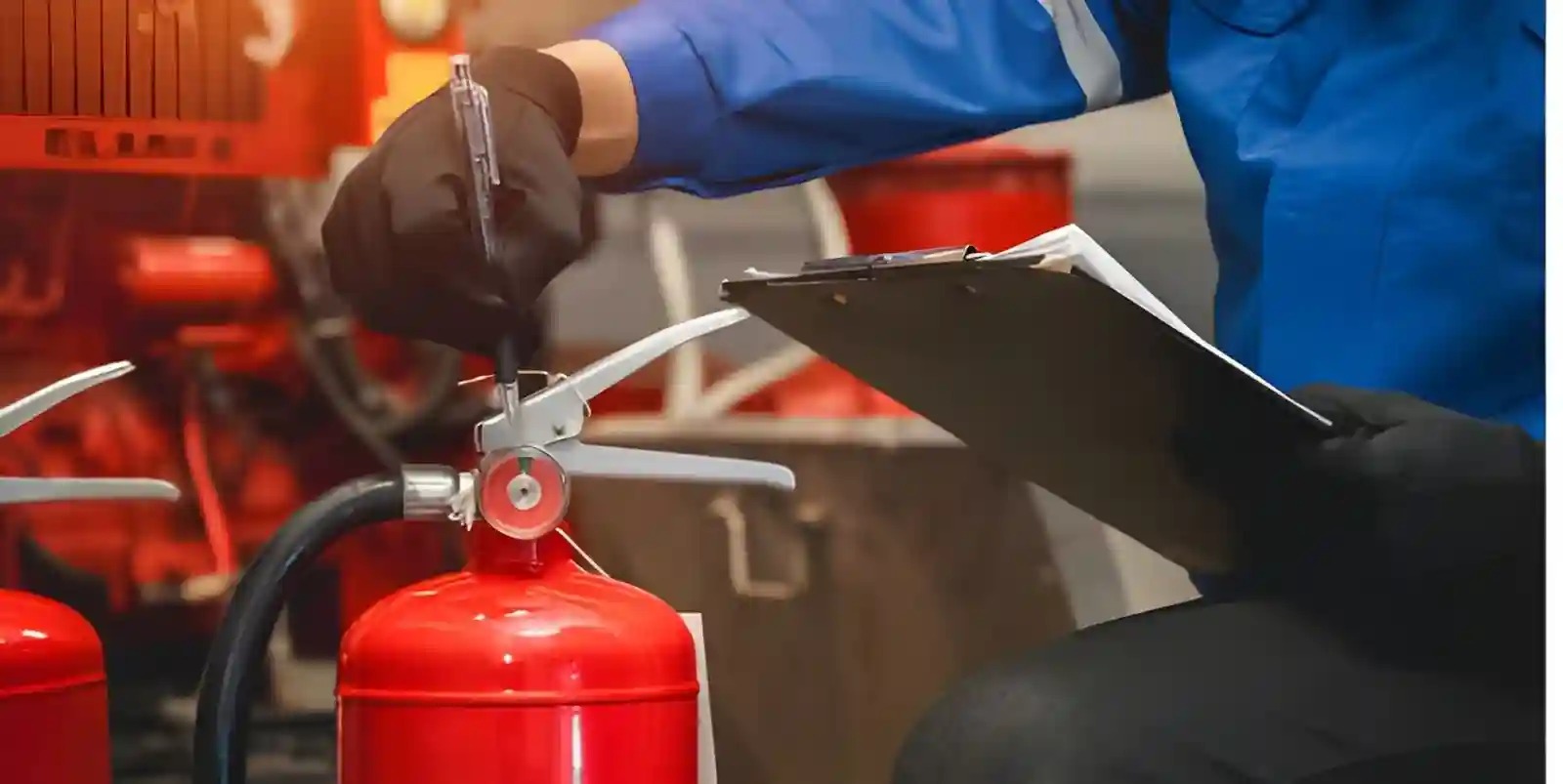
Many property owners and managers want to do fire safety work themselves to save money and make things easier. They think simple checks on equipment are enough without outside help. A fire extinguisher safety test requires trained handling and detailed assessment since pressurised systems demand accurate evaluation for safety assurance. Internal teams often miss hidden problems like leaks or weak seals. Experts strongly suggest proper testing to keep equipment reliable in real emergencies.
Key Takeaways
- DIY extinguisher testing may overlook hidden safety faults
- Professional inspections improve emergency reliability
- Internal corrosion and pressure issues are difficult to detect
- Certified testing supports legal compliance requirements
- Faulty extinguishers can increase fire damage risks
- Scheduled maintenance improves long-term fire safety
- Different buildings require different extinguisher solutions
- Proper documentation helps during audits and inspections
What Does an Extinguisher Safety Test Include?
A proper fire safety assessment always starts with a detailed visual review of the equipment’s condition and checking if it is placed correctly. The process includes internal and external checks to confirm the extinguisher remains reliable and safe for long-term use. A fire extinguisher compliance check can confirm that everything meets regulatory standards and ensure that the equipment meets all required maintenance guidelines in each building where it is installed.
Key Areas Checked During an Extinguisher Safety Test
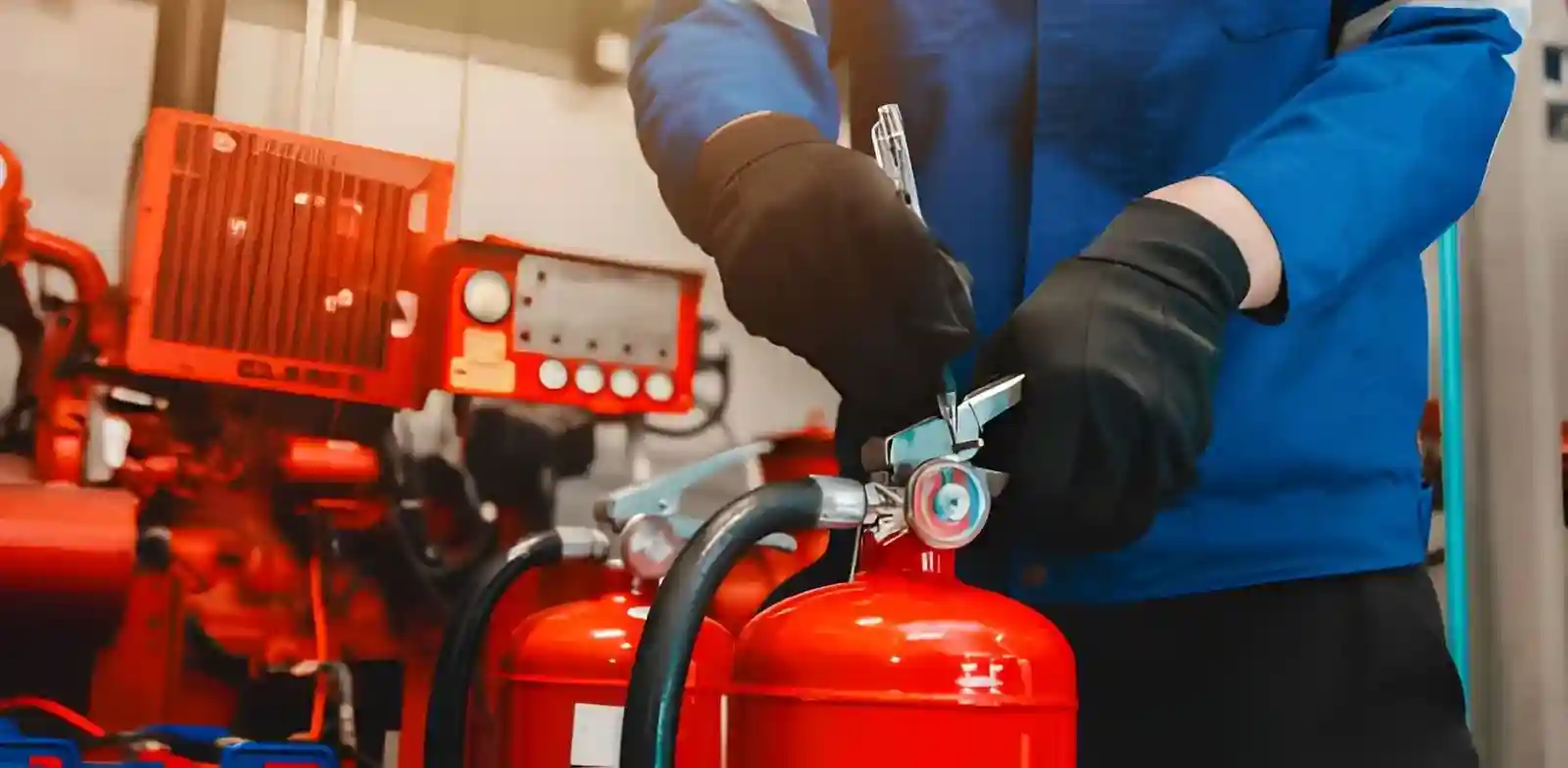
Experts carefully evaluate pressure integrity, nozzle condition, seal stability, and discharge readiness. Internal mechanisms need special attention because even small faults can stay hidden during normal surface inspection. Good safety documentation also helps with audit readiness and makes long-term maintenance tracking much easier across all units.
Why Certified Pressure Testing Is Essential for Fire Extinguishers
Pressure stability is one of the most important factors in how well fire safety equipment performs during an actual emergency response. Certified testing methods ensure pressurised components are inspected safely and meet all required safety standards.
How Pressure Issues Affect Fire Extinguisher Reliability
Checking a fire extinguisher safety test helps find damage, rust, and outside wear and tear that over the years might lower dependability. Professional testing also verifies the extinguisher works properly in case of an emergency.
Why Fire Extinguisher Testing Requires Professional Certification
Most regulatory frameworks require trained oversight to maintain full compliance accuracy and provide strong safety assurance for all installed units.
Risks of Performing Fire Extinguisher Testing In-House
Handling extinguisher testing without proper training can lead to overlooked faults and reduced equipment reliability. Equipment failure often happens because of unnoticed pressure loss or hidden mechanical wear that was not detected.
Common Safety Problems Missed During DIY Extinguisher Checks
Fire extinguisher testing checks whether the unit can discharge properly and operate effectively during an emergency.
How to Create a Cost-Effective Fire Safety Maintenance Strategy
A well-structured safety approach helps reduce long-term operational risks and improve equipment reliability across all properties. Regular review cycles keep performance standards consistent and lower the chance of unexpected failures.
Why Scheduled Maintenance Improves Fire Safety Compliance
Good planning systems usually include scheduled maintenance tracking and strong documentation control for better accountability. Fire safety management becomes more efficient when inspections follow a clear maintenance schedule.
Long-Term Benefits of Professional Fire Safety Planning
A strong fire safety plan also helps businesses stay compliant and reduce legal risks.
Fire Extinguisher Testing and Inspection Cost Guide
| Service Type | Cost Range |
|---|---|
| extinguisher safety test | £30 – £45 per unit |
| fire extinguisher inspection | £25 – £40 per unit |
| fire extinguisher testing | £35 – £60 per unit |
| fire extinguisher compliance check | £180 – £350 per site |
How Faulty Fire Extinguishers Increase Fire Spread Risks
Equipment failure in an emergency often results in a fast rise of fire damage and makes the scene far more dangerous. Slow response times or broken equipment lower containment efficiency and raise everyone’s risk exposure. An extinguisher safety test guarantees operational readiness and greatly reduces the risk of discharge failure at crucial times.
Hidden Fire Extinguisher Faults That Increase Safety Risks
Faulty extinguishers can go unnoticed without regular professional inspections. Internal faults such as pressure imbalance or blocked nozzles can seriously impact performance when it matters most.
How Building Type Affects Fire Extinguisher Requirements
Understand Building Usage and Fire Risk Levels
Building usage defines fire risk level, guiding correct safety planning and equipment selection decisions.
Identify High-Risk Fire Hazard Zones
Risk zones highlight high-hazard areas requiring focused fire safety attention and equipment positioning.
Review Fire Extinguisher Placement and Accessibility
Equipment placement ensures extinguishers remain visible, accessible, and positioned for fast emergency response actions.
Perform Regular Equipment Condition Checks
Equipment condition check verifies physical integrity, pressure stability, and readiness under controlled assessment standards.
Complete Routine Fire Extinguisher Inspections
A fire extinguisher inspection confirms external condition, labelling clarity, and accessibility across all units.
Validate Fire Extinguisher Operational Performance
Operational testing confirms the extinguisher can discharge properly and maintain safe pressure levels.
Maintain a Consistent Fire Safety Review Schedule
Scheduled review system ensures consistent monitoring, compliance alignment, and long-term fire safety reliability.
Creating a Reliable Fire Extinguisher Maintenance Schedule
Proper maintenance planning improves equipment reliability and reduces unexpected failure risk across safety systems and compliance frameworks. A regular maintenance schedule helps ensure all fire safety equipment stays reliable and compliant at each installation point and improves readiness across assets.
Why Regular Extinguisher Safety Tests Matter
Regular extinguisher safety tests help maintain reliable performance and reduce equipment failure risks.
Essential Elements of an Effective Maintenance Schedule
- Regular inspection cycles for safety equipment
- Certified evaluation improves system reliability
- Proper documentation supports compliance tracking
- Scheduled maintenance reduces unexpected failures
Frequently Asked Questions
Ensures pressure stability, operational readiness, and reliable performance during emergency fire situations.
Checks physical condition, accessibility, visible damage, and proper placement across all units.
It confirms safety standards alignment, documentation accuracy, and regulatory requirement fulfilment for equipment.
It ensures the extinguisher can discharge correctly and operate safely during an emergency.
Maintains reliability, reduces failure risk, and supports consistent fire safety performance overall.
Conclusion
Fire protection systems need systematic attention and regular evaluation to remain operationally ready at all times. Reliable fire protection depends on regular inspections and proper maintenance. Regular fire protection testing helps ensure equipment works properly during emergencies. Security management becomes much stronger when structured maintenance and evaluation requirements are followed consistently.
Why Professional Fire Extinguisher Testing Matters
Professional fire extinguisher testing helps to guard property. According to UK Fire Extinguisher Regulations, every property owner must follow the rules and install a fire extinguisher in the property. Maintaining compliance and lowering fire hazards depends much on routine inspections, certified servicing, and correct maintenance plans.
Get Professional Fire Extinguisher Compliance Support
If you need expert guidance on extinguisher inspections, testing, or compliance support, contact our team today for a tailored fire safety assessment.
About the Author: HarisAdmin

Related Posts
Recent Posts
- Residential EICR London: Complete Electrical Safety Inspection Guide for Landlords & Homeowners
- Property Owners and Landlords Across London
- Emergency Lighting Assessment Failure Signs: 4 Critical Indicators Your System Needs Immediate Attention
- Annual Fire Alarm Inspection Checklist and Industrial Facility Solutions Safety Plan: 5-Step Shield
- Fuse Box Installation by a Certified Fuse Box Electrician for Circuit Failures and Safety Control


Get Social