



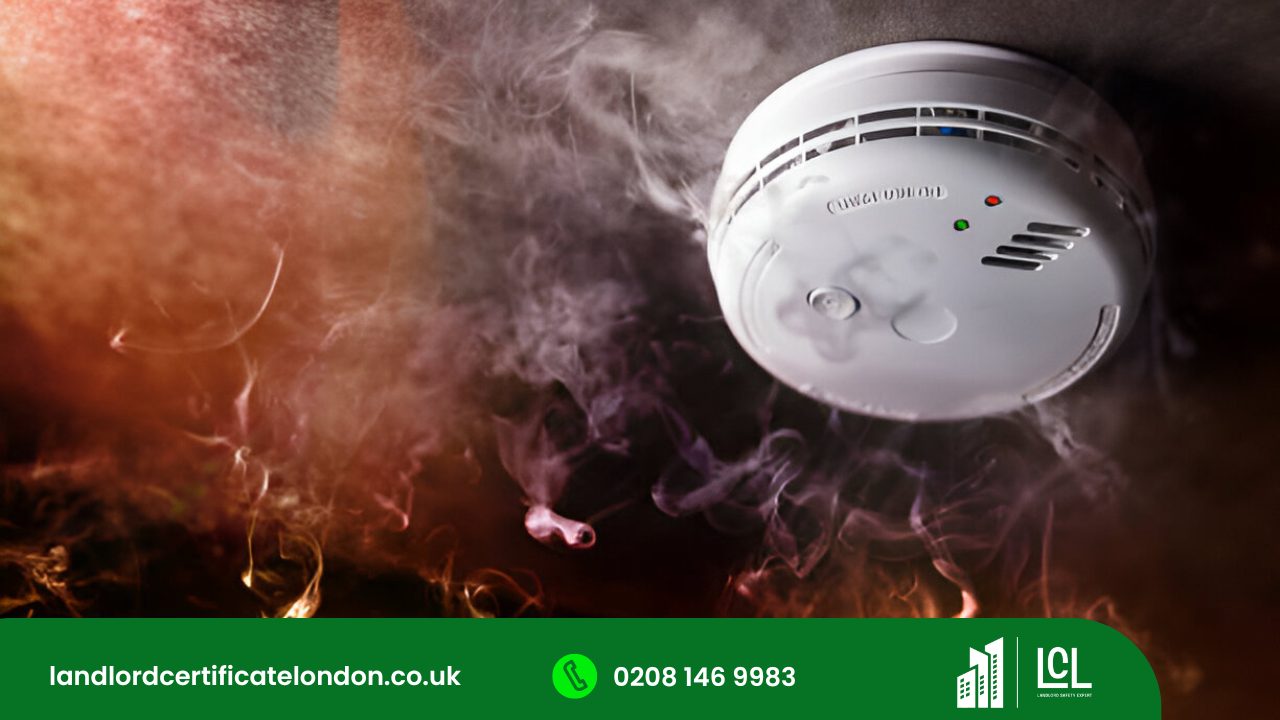
Installing a fire alarm system is far more than a box-ticking exercise for building control or local licensing. Early smoke and heat detection gives residents, staff, and visitors the vital extra minutes needed to evacuate safely while limiting structural damage to your property.
Whether you manage a commercial office, a shop, an HMO, or a converted block of flats, fitting the right detection grade also supports your legal duties and keeps building insurance valid. Choosing a system that matches your property layout and risk profile ensures reliable protection without unnecessary false alarms.

One of the most frequent snags we see during London HMO and commercial inspections is a landlord fitting standalone battery alarms when their council licence or Fire Risk Assessment actually calls for a mains-powered interlinked Grade D or Grade A panel. Matching the system grade upfront saves having to rip out wiring later.
Why Early Fire Detection Matters for Lives and Assets
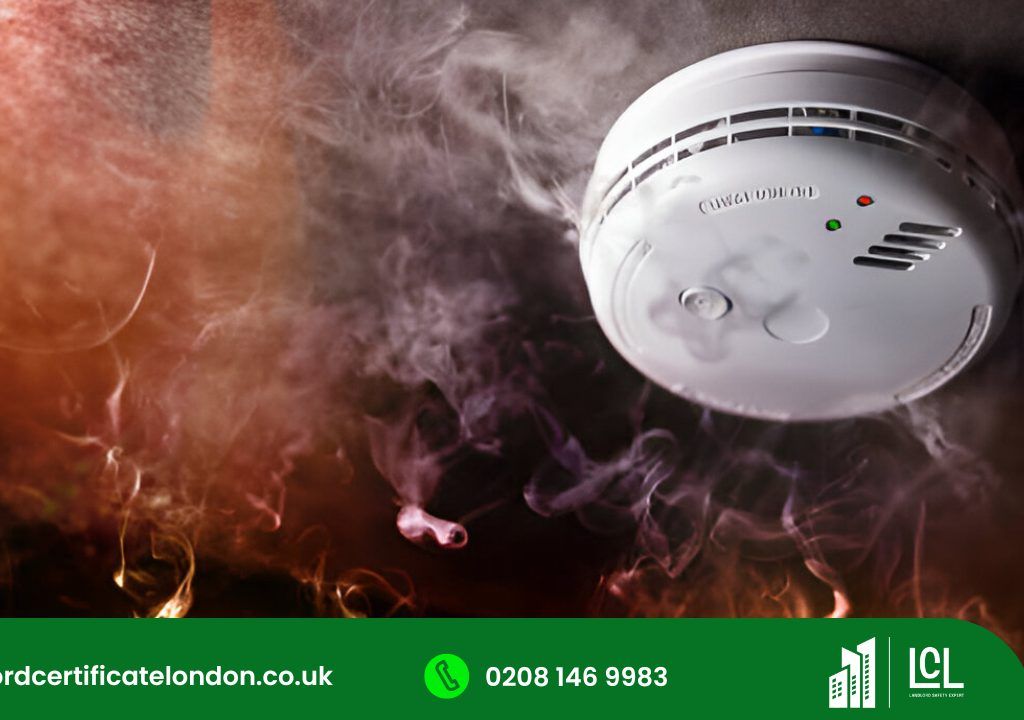
Most fatal fires start quietly, often in kitchens, electrical cupboards, or plant rooms while occupants are asleep or working in another part of the building. Modern optical smoke sensors, heat detectors for kitchens, and multi-sensor units identify danger at the earliest stage and trigger audible and visual alerts throughout the premises.
Rapid Occupant Warning
Interlinked sounders and visual beacons alert everyone on every floor simultaneously, giving occupants clear lead time to escape safely.
Reduced Property Damage
Earlier detection allows faster intervention and emergency callouts, limiting smoke spread, structural loss, and business downtime.
Insurance & Licensing Readiness
Commercial insurers and council HMO licensing teams routinely require proof of compliant installation and ongoing servicing records.
Fewer Nuisance False Alarms
Using the correct detector type (such as heat sensors in kitchens instead of optical smoke heads) stops false callouts and resident alarm fatigue.
Choosing the Right Fire Alarm System
The ideal system depends on your building size, storey height, and how the space is used. Before booking a fire alarm installation, it helps to understand the main system types used across UK properties:
Conventional systems divide a building into broad zones wired back to a central panel, making them practical and cost-effective for smaller offices, retail units, and compact HMOs. Addressable and intelligent systems assign a unique digital address to each detector and call point, pinpointing the exact room where an alarm triggers in larger commercial buildings, schools, or multi-storey blocks.
Where running new cables would damage heritage finishes or disrupt an occupied building, wireless (radio) fire alarm systems offer a flexible alternative that still meets strict British Standards when designed and commissioned by competent engineers.
Professional Installation, Testing, and Maintenance
Proper placement is just as important as the hardware itself. Qualified engineers inspect ceiling heights, airflow, structural beams, and potential dead zones before mounting detectors and manual call points. Once wired and programmed, every device is commissioned and tested for battery backup, sound pressure levels, and cause-and-effect operation.
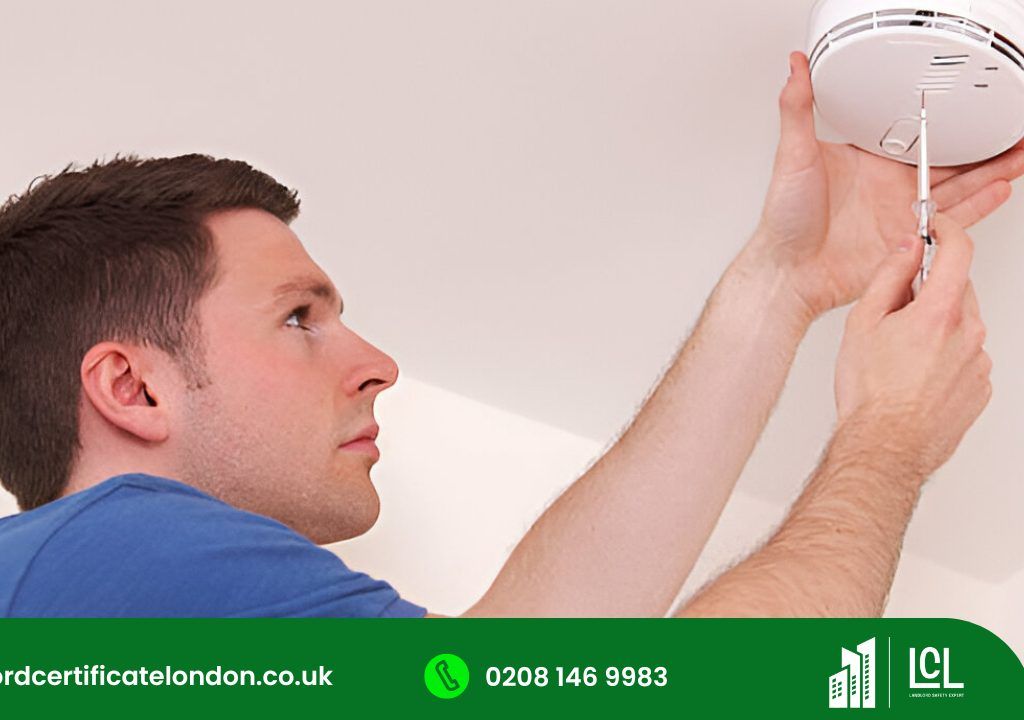
After handover, ongoing maintenance keeps the system dependable. Weekly user call-point tests alongside six-monthly servicing by a competent engineer help prevent sensor contamination, battery failure, and nuisance faults. Keeping a signed fire safety certificate and logbook on site proves your system stays compliant year after year.
UK Compliance and British Standards
In the UK, fire detection and alarm systems are governed by the Regulatory Reform (Fire Safety) Order 2005, Building Regulations Approved Document B, and the BS 5839 British Standards series.
| Compliance Area | UK Standard / Requirement | Why It Matters |
|---|---|---|
| Non-Domestic & Communal Systems | BS 5839-1 (Categories M, L1 to L5, P1, P2) | Ensures commercial buildings and flat common parts meet life safety and property protection grades |
| Domestic & HMO Alarms | BS 5839-6 (Grades A, D1, D2, F1, F2) | Matches alarm power, battery backup, and interlinking to single homes, flats, and HMOs |
| Routine Servicing & Testing | Weekly user test + 6-monthly competent servicing | Detects battery degradation, dust buildup, and wiring faults before a real emergency |
| Logbook & Certification | Design, installation, commissioning & service records | Provides essential audit proof for Fire and Rescue Authorities, councils, and insurers |
Upgrading Outdated Systems for Better Reliability
Older fire panels and ageing sensors are a major cause of false alarms, which can lead occupants to ignore alerts or tamper with sounders. Upgrading to modern multi-sensor detectors, addressable panels, and properly zoned call points cuts false activations and pinpoints genuine incidents within seconds.
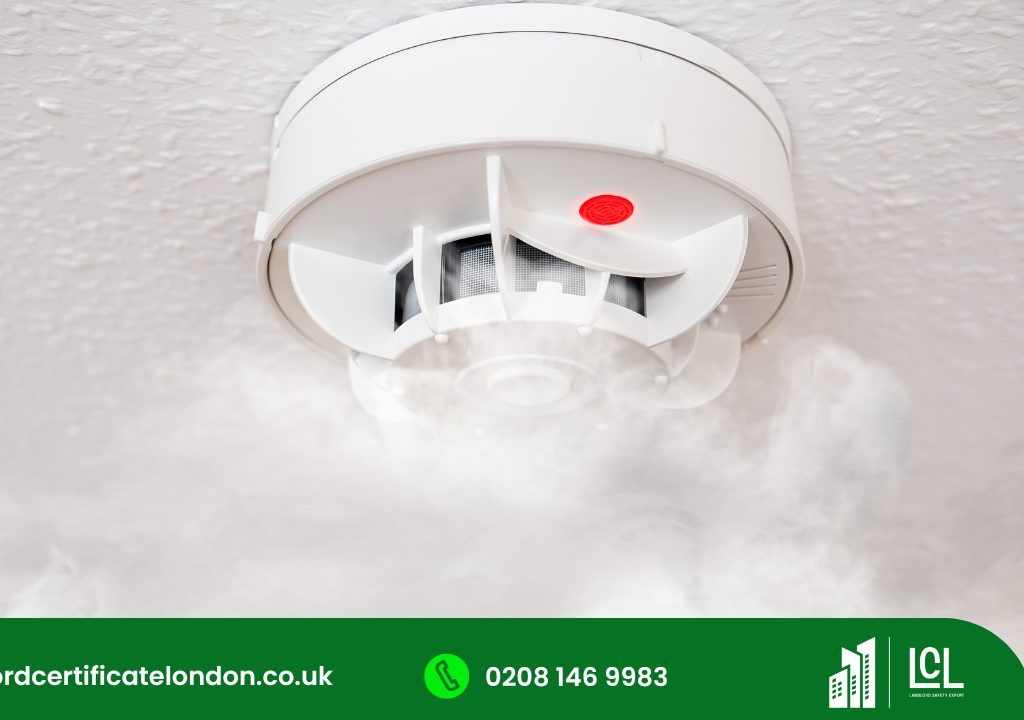
If your building has undergone refurbishment, changed occupancy, or relies on detectors over ten years old, having a fire safety specialist review your current setup ensures your detection coverage still matches your building’s evacuation plan.
Frequently Asked Questions
+What is the difference between BS 5839-1 and BS 5839-6?
+How often should a commercial or HMO fire alarm be serviced?
+Can I use wireless fire alarms instead of wired systems?
+How do I know which alarm category (L1, L2, L3, or Grade D) I need?
+How long do smoke and heat detectors last before replacement?
Conclusion
Installing and maintaining a compliant fire alarm system is one of the smartest investments any property owner or business can make. By selecting the right BS 5839 grade for your premises, having it professionally commissioned, and keeping up with routine servicing, you protect lives, safeguard your building, and meet UK fire safety law with confidence.
Need a Compliant Fire Alarm Installed in London?
Book qualified fire alarm engineers for BS 5839 installation, upgrades, commissioning, and routine servicing across London.
Call us on 020 4518 8198 or email info@landlordcertificatelondon.co.uk
About the Author: Hassan Sharif

Related Posts
Get Social
Recent Posts
- Asbestos Management Surveys for London Rental Properties: CAR 2012 Landlord Guide
- Commercial Fire Risk Assessment London: Workplace Fire Compliance & Safety Certification
- Commercial Gas Safety Certificate CP42 London: Commercial Kitchen & Catering Compliance
- Landlord Gas Safety Certificate CP12 London: Annual Inspection & Legal Compliance Guide
- Commercial EICR London: Business Electrical Testing & Workplace Compliance Guide