



Fire safety is one of the basic responsibilities that comes with renting out a property. The rules are not difficult, but they do need to be followed properly. For anyone letting a house or flat in England, understanding smoke alarm requirements for landlords helps protect tenants and reduces the chance of avoidable compliance problems.
This guide covers what landlords need to provide, when alarms should be checked, and when a standard smoke alarm may not be enough.
What Are the Smoke Alarm Requirements for Landlords?
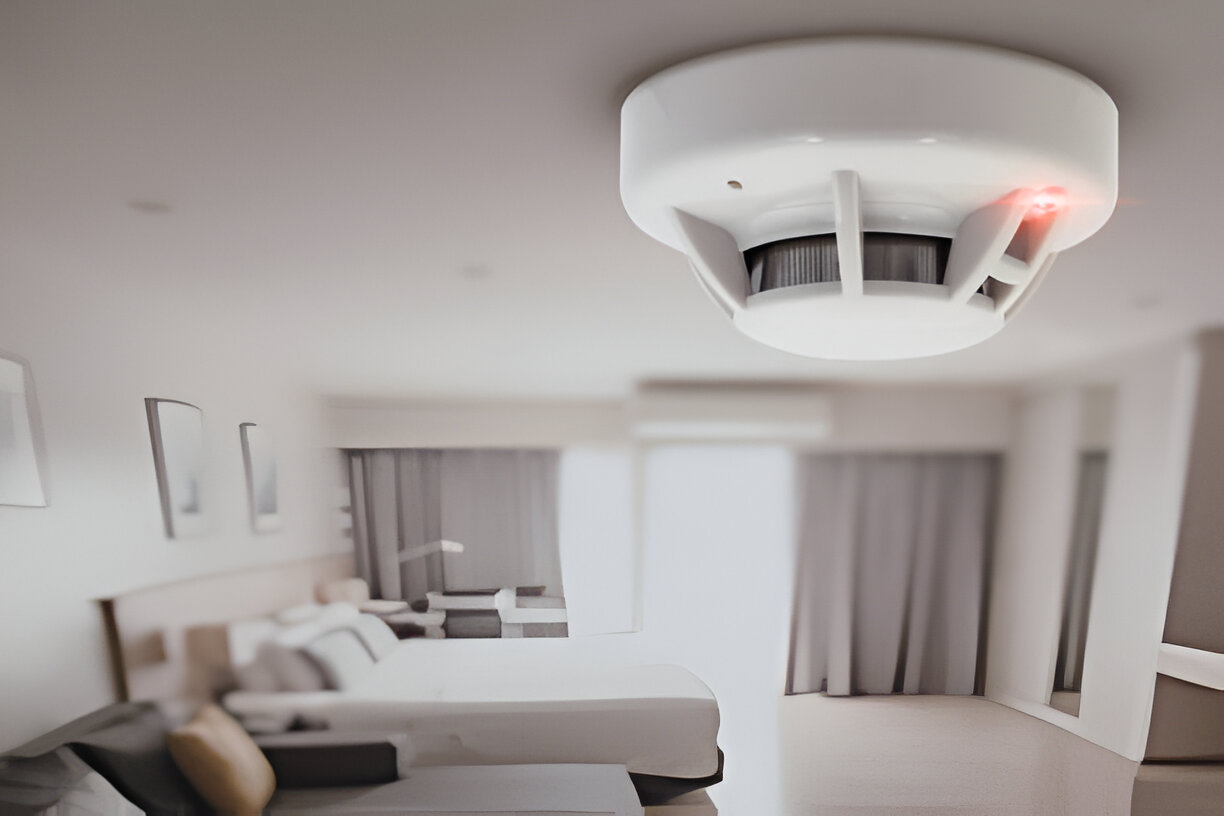
Under the Smoke and Carbon Monoxide Alarm (Amendment) Regulations 2022, relevant landlords in England must ensure there is at least one smoke alarm on every storey where there is a room used as living accommodation.
A two-storey rented house will therefore normally need at least one smoke alarm on each occupied floor. A basement or converted level may also need coverage if it contains living accommodation.
The rules do not say that every rented property must use the same type of alarm. GOV.UK advises landlords to choose alarms that suit the building and the people living there. For domestic properties, landlords should also consider the relevant guidance in BS 5839-6.
For the full government guidance, see the GOV.UK Smoke and Carbon Monoxide Alarm guidance.
Do Landlords Need to Test Smoke Alarms?
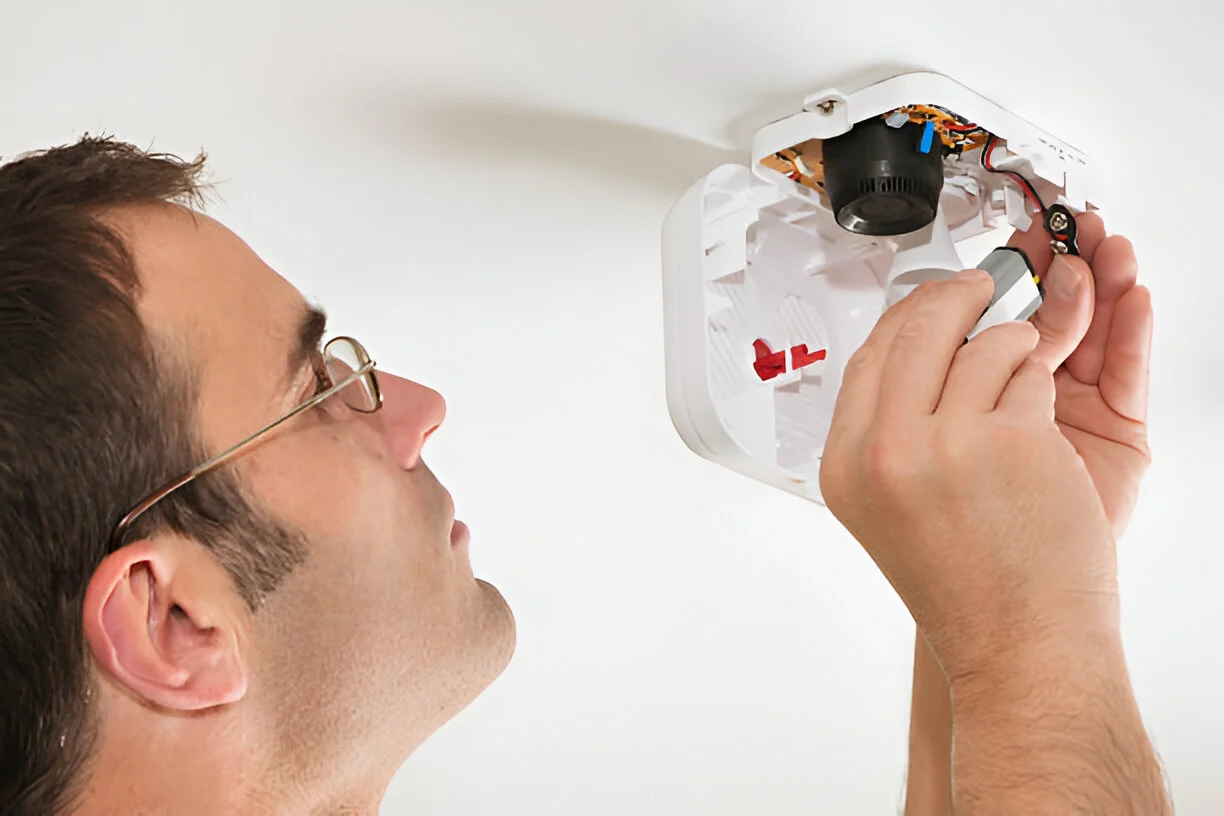
Yes. Smoke alarm requirements for landlords include checking that the required alarms are working on the day a new tenancy starts.
It is sensible to keep a simple record of that check. During the tenancy, tenants should report an alarm that appears faulty. Once the landlord is informed and the alarm is found to be faulty, it must be repaired or replaced as soon as reasonably practicable.
Regular checks are also good practice, even though the regulations do not set one fixed weekly or monthly testing schedule for landlords of ordinary rented homes.
Smoke Alarm Requirements for Landlords
What About Carbon Monoxide Alarms?
The rules also cover carbon monoxide alarms. A CO alarm is required in any room used as living accommodation that contains a fixed combustion appliance, apart from a gas cooker.
That can include a room with a gas or oil boiler, a wood-burning stove, or another fixed fuel-burning appliance. Government guidance recommends choosing a suitable CO alarm that meets BS 50291.
When checking smoke alarm requirements for landlords, it makes sense to review smoke and CO protection together.
Are Battery Smoke Alarms Allowed?
For many standard rented homes, the regulations do not specifically require a mains-powered alarm instead of a battery-powered one. The important point is that the required alarm is suitable, fitted correctly and working. GOV.UK also recommends considering sealed-for-life batteries where battery-powered alarms are selected.
The right system can change with the type of property. An HMO, converted building, larger property or building with shared escape routes may need stronger protection. Local authority licensing conditions can also add requirements.
That is why smoke alarm requirements for landlords should not be treated as a one-size-fits-all checklist.
HMOs and Properties With Shared Areas
Fire safety can be more demanding in an HMO or a building with communal areas. A basic stand-alone alarm may not provide the right level of coverage for every layout.
The system should reflect the property risk, occupancy, escape routes, local licensing conditions and relevant fire safety guidance. Depending on the building, this may mean interlinked alarms, heat detection in kitchens or a panel-based system.
Landlords managing shared accommodation should consider a professional Fire Risk Assessment. If an existing system needs upgrading or replacing, professional Fire Alarm Installation can help make sure the system is suitable for the property.
Where Should Smoke Alarms Be Placed?
The regulations do not give one exact position for every smoke alarm. GOV.UK says landlords should follow the manufacturer’s instructions and notes that alarms are generally fitted to the ceiling in circulation spaces such as halls or landings.
Good placement matters. An alarm fitted in a poor location can react too slowly or cause repeated nuisance alarms.
The London Fire Brigade also recommends additional protection in many rented homes, including a heat alarm in the kitchen and smoke detection in key living and circulation areas.
You can also read the London Fire Brigade guidance for private rented sector landlords.
Correct placement is therefore part of meeting smoke alarm requirements for landlords, not simply buying an alarm and fitting it anywhere.
What Happens if an Alarm Is Faulty?
If a tenant reports a faulty alarm, the landlord should act promptly. The 2022 rules require a prescribed smoke or carbon monoxide alarm to be repaired or replaced after the landlord has been informed and the alarm is found to be faulty.
Keep a note of the report, arrange access and record any repair or replacement. Do not leave a known faulty alarm until the next tenancy renewal.
For landlords who want their alarms professionally checked, a Fire Safety Certificate inspection can review smoke and heat alarm condition. A wider Fire Risk Assessment may be more suitable for HMOs, communal areas and complex buildings.
Common Mistakes to Avoid
A common mistake is assuming an old alarm is still reliable because it has never sounded. Another is checking only one floor of a multi-storey property. Landlords can also miss CO alarm duties when a boiler is located in a room used as living accommodation.
Review smoke alarm requirements for landlords whenever a new tenancy starts, the property layout changes, new heating equipment is installed or an alarm fault is reported.
It is also worth keeping basic records of alarm checks, tenant reports and any replacement work. This makes future property management easier and gives you a clear history of what has been done.
Do You Need a Professional Fire Alarm Check?
Not every rental property needs a complex fire alarm system. However, landlords should know what level of protection their property requires.
If the property is an HMO, has shared areas, uses an older alarm system or has alarms that are no longer working correctly, a professional inspection can remove the guesswork.
Landlord Certificate London provides fire alarm installation, fire safety inspections and fire risk assessments across London and the M25. If you are unsure about your current system, arrange an inspection before the next tenancy starts.
You can view the company’s Fire Alarm Installation service or arrange a Fire Safety Certificate inspection depending on the condition of the existing system.
Final Thoughts
Meeting smoke alarm requirements for landlords is about more than compliance. A working alarm gives people valuable time to react and leave safely.
Check every relevant storey, confirm alarms work at the start of a new tenancy, deal with faults quickly and review CO alarm requirements at the same time. For HMOs and more complex properties, get advice based on the actual building rather than relying on a basic domestic setup.
Keeping up with smoke alarm requirements for landlords is a small part of property management, but it can make a major difference when it matters most.
About the Author: LandlordCertificate

Related Posts
Get Social
Recent Posts
- Commercial Gas Safety Certificate CP42 London: Commercial Kitchen & Catering Compliance
- Landlord Gas Safety Certificate CP12 London: Annual Inspection & Legal Compliance Guide
- Commercial EICR London: Business Electrical Testing & Workplace Compliance Guide
- Residential EICR London: Complete Electrical Safety Inspection Guide for Landlords & Homeowners
- Property Owners and Landlords Across London