




Fire safety is not something landlords should treat as a box-ticking job. The rules change depending on the building, the way it is occupied and whether tenants share common areas. That is why rental property fire safety requirements are better understood as a set of practical duties, not one certificate that applies to every rented home.
The goal is simple: reduce fire risk, make sure tenants can escape safely and keep clear records of important checks.
Check Alarms Before a Tenant Moves In
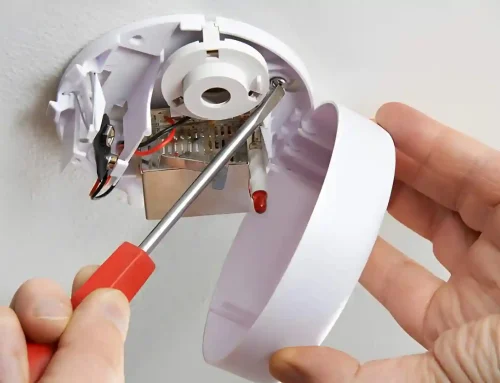
The first part of rental property fire safety requirements is making sure the right alarms are fitted and working. In England, landlords must provide at least one smoke alarm on every storey with living accommodation. A carbon monoxide alarm is also required in any room used as living accommodation that contains a fixed combustion appliance, apart from a gas cooker. Required alarms must be tested at the start of a new tenancy, and faulty alarms must be repaired or replaced after the landlord is told about the problem and the fault is confirmed.
Landlords can also check the official GOV.UK landlord safety responsibilities for current guidance.
If the existing alarm setup is old or unsuitable, a professional fire alarm installation service can help you choose a system that suits the property.

Keep Escape Routes Clear
Good alarms are only useful if people can get out. Fire safety duties include keeping escape routes usable and free from obvious hazards. Hallways, stairs and exits should not be blocked by bikes, bins, furniture or stored items. GOV.UK also lists access to escape routes as part of a landlord’s fire safety responsibilities.
Fire doors also need attention where they form part of the building’s fire protection. Damaged seals, faulty closers or doors that do not shut properly can reduce their effectiveness. If you are unsure about their condition, a fire door inspection and certification service can help identify problems.
Know When a Fire Risk Assessment Applies
One of the most important rental property fire safety requirements is knowing whether the building falls within legislation that requires a fire risk assessment. The Regulatory Reform (Fire Safety) Order 2005 applies to many non-domestic premises and to common areas of residential buildings such as HMOs and blocks of flats. The responsible person must assess risks, put suitable precautions in place and keep the assessment under review.
A single self-contained rented home does not have exactly the same Fire Safety Order duties as a building with shared areas. Property type matters.
For communal areas or more complex buildings, a professional Fire Risk Assessment in London can provide a clear record of risks and recommended actions.
HMOs Need More Care
Rental property fire safety requirements can be stricter in a House in Multiple Occupation because several people may live separately while sharing kitchens, hallways or other facilities. HMO licensing conditions can also add property-specific requirements.
Depending on the building, extra measures may include a more suitable alarm system, protected escape routes, fire doors, emergency lighting or other precautions. The correct setup should be based on the property and local requirements, not copied from another HMO.
For general official guidance, see GOV.UK fire safety advice for shared or rented accommodation.
About the Author: LandlordCertificate

Related Posts
Get Social
Recent Posts
- Residential EICR London: Complete Electrical Safety Inspection Guide for Landlords & Homeowners
- Property Owners and Landlords Across London
- Emergency Lighting Assessment Failure Signs: 4 Critical Indicators Your System Needs Immediate Attention
- Annual Fire Alarm Inspection Checklist and Industrial Facility Solutions Safety Plan: 5-Step Shield
- Fuse Box Installation by a Certified Fuse Box Electrician for Circuit Failures and Safety Control