



A fire alarm is one of those things you hope never has to prove its value. But if a fire does start, a well-designed system can give people the early warning they need to get out safely.
That is why choosing Professional Fire Alarm Installation London should be about more than finding the lowest quote. The system needs to suit the building, the people using it and the level of fire risk.
Whether you manage a rented flat, HMO, office, shop or block of flats, here is what you should know before booking an installation.
Start With the Property, Not the Alarm
There is no single fire alarm setup that is right for every London property. A small rented home may only need domestic smoke and heat alarms, while an HMO, communal building or commercial premises may require a more extensive detection and warning system.
Before arranging Professional Fire Alarm Installation London, look at how the property is used, its layout, escape routes and any findings from its fire risk assessment. Where a fire risk assessment is required, it should help identify the precautions needed rather than an installer simply adding devices wherever there is space.
If the property has not been reviewed recently, our Fire Risk Assessment London service can help identify fire risks and recommended actions.
Know What the Law Actually Requires
Fire alarm requirements depend on the type of property.
For rented homes in England, landlords must provide at least one smoke alarm on every storey where there is a room used as living accommodation. A carbon monoxide alarm is also required in any room used as living accommodation that contains a fixed combustion appliance, apart from a gas cooker.
Landlords must make sure the prescribed alarms are working at the start of a new tenancy. They are also responsible for repairing or replacing faulty alarms once they have been informed about the problem.
You can check the current GOV.UK smoke and carbon monoxide alarm guidance for landlords for more detail.
For HMOs, blocks with shared areas and commercial premises, wider fire-safety duties can apply. The London Fire Brigade guidance for landlords is another useful reference.
A professional Professional Fire Alarm Installation London service should therefore begin by understanding the property and the fire-safety requirements that apply to it.
Choosing the Right Type of Fire Alarm System
The installer should be able to explain why a particular system is being recommended instead of simply quoting for a standard package.
Domestic properties commonly use interconnected smoke and heat alarms. Larger or more complex properties may need conventional, addressable or wireless systems.
A conventional system divides a property into zones, helping you identify the general area where an alarm has been triggered. An addressable system can identify the individual device involved, which can be useful in larger buildings.
Wireless systems can reduce the amount of cabling required. They may be particularly useful in finished or occupied properties where extensive cable installation would cause unnecessary disruption.
Good Professional Fire Alarm Installation London is about choosing a system that suits the building, not automatically choosing the most expensive option.
Fire Alarm Installation Cost Overview
| Service Type | Coverage Scope | Price Range |
|---|---|---|
| Basic fire alarm system | Small properties and flats | £350 – £700 |
| Wireless fire alarm system | Medium properties and offices | £900 – £2,000 |
| Commercial fire alarm system | Shops and shared buildings | £1,500 – £4,000 |
| Large property system | Complex or multi-zone sites | £4,000 – £10,000 |
| Fire alarm inspection | System testing and records | £90 – £250 |
Check Which Standard Applies
Fire alarm installation is also guided by recognised British Standards.
For domestic premises, BS 5839-6 covers recommendations for the design, installation, commissioning and maintenance of fire detection and alarm systems.
For non-domestic buildings, the current BS 5839-1:2025 provides recommendations for systems in non-domestic premises.
Ask your contractor which standard, system category or grade applies to your property and why. A reliable Professional Fire Alarm Installation London provider should be able to explain the recommendation in plain English rather than hiding behind technical terminology.
What Should Happen During Installation?
A professional job normally starts with a site survey.
The installer should consider detector positions, how well the alarm can be heard throughout the building, escape routes, power supplies, cable routes and the position of any control panel or manual call points.
Once the equipment has been installed, the system should be tested and commissioned. You should also be shown how to operate it, recognise a fault and arrange future testing or servicing.
When booking Professional Fire Alarm Installation London, ask what paperwork you will receive after the work is finished. Keeping installation, commissioning and maintenance records gives landlords and property managers a clear history of the system and makes future servicing easier.
You can learn more about arranging a system through our fire alarm installation service.
How Much Does Fire Alarm Installation Cost?
There is no sensible single price that applies to every property.
The final cost can depend on the size and layout of the building, the number of detectors and call points required, the type of control equipment, whether the system is wired or wireless, cable access and the amount of testing and commissioning involved.
Be cautious with very cheap fixed-price offers made before the contractor has properly understood the property.
With Professional Fire Alarm Installation London, a clear quotation should tell you what equipment is included, what work will be carried out and whether testing and commissioning form part of the price.
That makes it much easier to compare quotations fairly instead of comparing headline prices for completely different specifications.
Do Not Forget Testing and Maintenance
Installation is only the beginning.
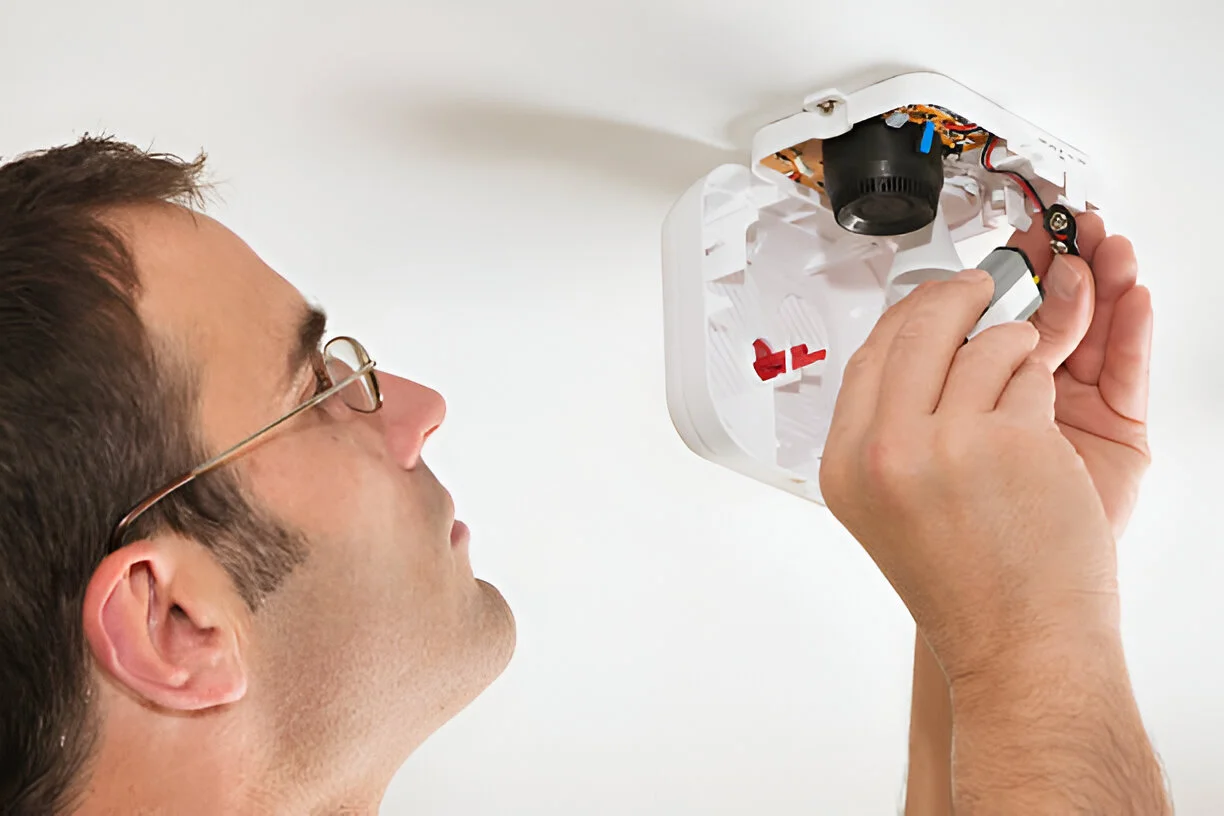
Alarm systems can develop faults, batteries can fail and changes to the layout or use of a building can affect whether the original system is still suitable.
The appropriate testing and maintenance schedule depends on the type of alarm system and the building. Property owners and managers should follow the relevant fire-safety arrangements, manufacturer instructions and professional maintenance recommendations.
If the property also relies on emergency lighting, it is worth checking that at the same time. Our Emergency Light Testing service covers another important part of a building’s escape arrangements.
A dependable Professional Fire Alarm Installation London company should explain the ongoing maintenance requirements before completing the job.
Questions to Ask Before You Book
Before accepting a quotation, ask:
- What type and category of alarm system does my property need?
- Why is this particular system suitable?
- Which British Standard are you working to?
- Are testing and commissioning included?
- What certificates or records will I receive?
- Does the quotation include detectors, sounders, call points, cabling and control equipment?
- What maintenance will the system need?
- What happens if a fault develops after installation?
These questions can quickly show whether the contractor has properly assessed the job or is simply trying to sell the same package to every customer.
Final Thoughts
The best fire alarm system is not necessarily the biggest or most expensive one. It is the system that suits the property, gives people effective warning and is properly installed, tested and maintained.
Before booking Professional Fire Alarm Installation London, make sure the installer understands your building, clearly explains what is being recommended and provides the appropriate records after commissioning.
Good planning at the start can prevent unnecessary changes and costs later. More importantly, it helps make sure the alarm system is ready to do its job when people genuinely need it.
For advice or to arrange an installation, visit our Fire Alarm Installation service page.
About the Author: LandlordCertificate

Related Posts

Get Social
Recent Posts
- Residential EICR London: Complete Electrical Safety Inspection Guide for Landlords & Homeowners
- Property Owners and Landlords Across London
- Emergency Lighting Assessment Failure Signs: 4 Critical Indicators Your System Needs Immediate Attention
- Annual Fire Alarm Inspection Checklist and Industrial Facility Solutions Safety Plan: 5-Step Shield
- Fuse Box Installation by a Certified Fuse Box Electrician for Circuit Failures and Safety Control