



Fire safety is not something to leave until a problem appears. If you own or manage a rented building, you need to know where fire could start, who may be at risk and whether people can get out safely.
That is the purpose of a fire safety risk assessment. It gives you a practical picture of the risks in the property and the steps needed to reduce them. For landlords, freeholders and managing agents, it can also be an important part of meeting legal fire safety duties.
What Is a Fire Safety Risk Assessment?
A fire safety risk assessment is a careful check of a building from a fire safety point of view. It looks for hazards, considers the people who could be affected and checks whether the precautions already in place are suitable.
It is not just a box-ticking exercise. A useful assessment should lead to action. That may mean clearing an escape route, repairing a fire door, improving alarm coverage, testing emergency lighting or changing how combustible materials are stored.
For properties in London, you can arrange a professional assessment through our Fire Risk Assessment London service.
Who Is Responsible for Fire Safety?
Under the Regulatory Reform (Fire Safety) Order 2005, the “responsible person” has fire safety duties for premises covered by the Order. This can include an employer, owner, landlord, occupier, facilities manager or managing agent.
For residential buildings, the rules commonly apply to shared or common areas of buildings containing two or more domestic premises. GOV.UK fire risk assessment guidance explains that the responsible person must carry out and regularly review a fire safety risk assessment, keep a written record and put suitable fire precautions in place.
If more than one person shares responsibility for the building, they should cooperate and coordinate their fire safety arrangements.
What Does the Assessment Check?
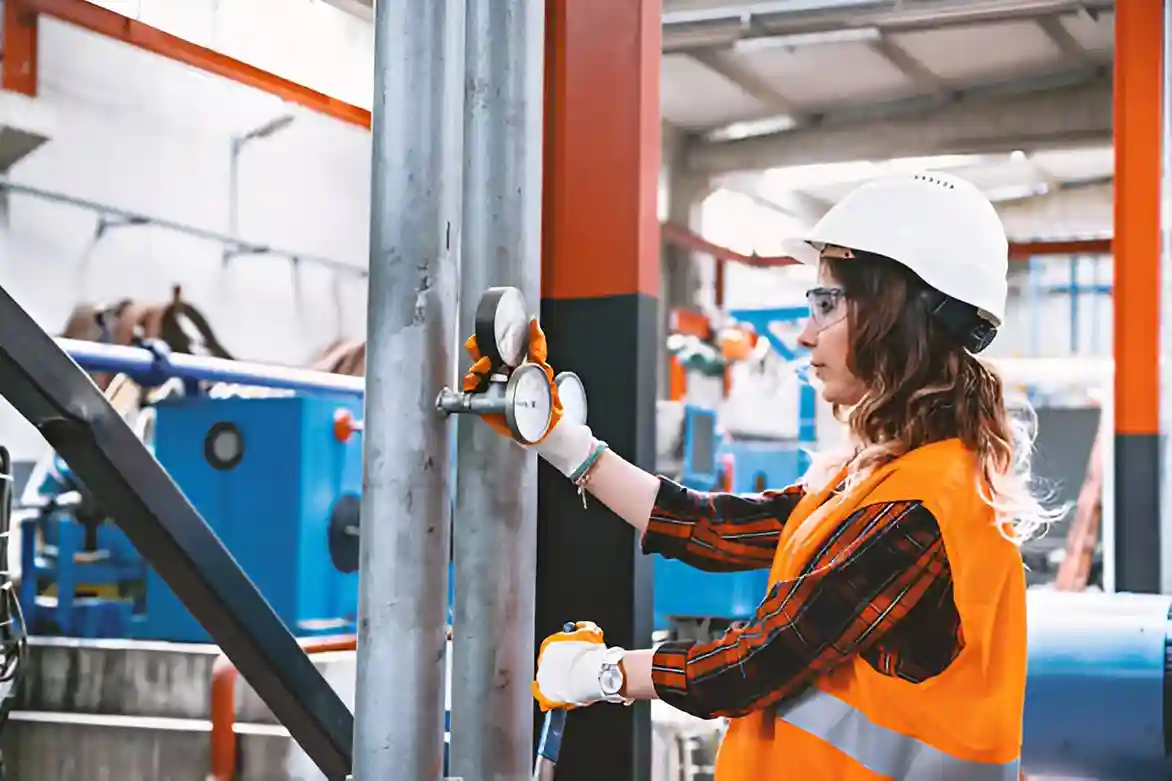
A proper assessment looks at the building as people actually use it. The assessor will usually consider:
- Possible ignition sources, including electrical equipment, heating and cooking
- Combustible or flammable materials
- People who may need extra help during an evacuation
- Escape routes, stairways, corridors and final exits
- Fire alarms and detection systems
- Fire doors and compartmentation
- Emergency lighting
- Firefighting equipment where required
- Fire safety signs, procedures and management arrangements
The aim is to spot weak points before they contribute to a serious incident. If the assessment finds an issue, the report should explain what needs to be done and how urgently it should be addressed.
Why Landlords Should Take It Seriously
A fire safety risk assessment helps protect tenants, visitors, contractors and anyone else using the building. It also gives landlords a clear action plan instead of relying on guesswork.
Good fire safety management can make day-to-day property management easier too. You know which checks are due, which repairs need priority and which records should be kept.
London Fire Brigade’s landlord fire safety guidance explains that landlords and managing agents can have legal fire safety duties and that a detailed assessment must be completed by someone competent where the law applies.
Fire Safety in Flats and HMOs
Blocks of flats and HMOs can need closer attention because several people may share corridors, stairs, kitchens or other facilities.
A fire safety risk assessment for this type of building should pay close attention to escape routes, fire doors, alarm arrangements, communal areas and the way the property is managed. Storage in corridors or stairwells can create a serious obstruction, so shared areas should be kept clear.
Fire doors are important because they help slow the spread of fire and smoke. If you need a separate inspection, see our Fire Door Certificate service.
Alarm coverage also needs to suit the building and its use. Our Fire Alarm Installation service explains the options available for different properties.
When Should It Be Reviewed?
A fire safety risk assessment should not be filed away and forgotten. GOV.UK requires responsible persons to review it regularly.
You should also review it when something significant changes. Examples include refurbishment work, a change in layout, different use of the building, changes to occupancy or alterations that could affect escape routes or fire precautions.
A review is also sensible after a fire, a near miss or when important safety equipment has changed.
Keep Good Fire Safety Records
Changes introduced through section 156 of the Building Safety Act 2022 mean responsible persons covered by the Fire Safety Order must record the fire risk assessment in full, along with their fire safety arrangements.
Keep the report easy to find. It is also useful to keep related records together, such as alarm servicing, emergency lighting tests, fire door inspections and completed remedial work.
If your assessment highlights emergency lighting, our Emergency Light Testing service can help you keep those checks up to date.
Can You Do the Assessment Yourself?
For very simple premises, government guidance allows a responsible person to complete an assessment if they are competent to do so. More complicated properties may need professional help.
If the property has several floors, shared escape routes, mixed uses, vulnerable occupants or more complex fire precautions, using a competent professional is often the safer choice. A good assessor should give you a clear report in plain language, with realistic priorities and practical actions.
What Happens After the Report?
A fire safety risk assessment only works if the actions are completed. Start with the highest-risk items. Give each task a responsible person and a target date. Keep evidence when work is finished.
This is where the assessment becomes part of normal property management rather than a one-off document.
Frequently Asked Questions
No. It should be reviewed regularly and whenever important changes could affect fire safety, such as refurbishment, changes in use or changes to the people using the building.
No. The legal duties and level of assessment depend on the building and how it is used. Shared areas in blocks of flats, HMOs and mixed-use buildings often need more detailed attention.
Work through the action plan in priority order. Keep records of repairs, tests and checks, and make sure urgent issues are dealt with promptly.
Final Thoughts
A fire safety risk assessment is one of the most useful tools a landlord or building manager can have. It shows what could go wrong, what is already working and what needs attention.
The best approach is simple: get the assessment done properly, act on the findings and keep it under review. If you manage a London property and need help, use our Fire Risk Assessment London service to arrange an assessment that matches the building and its use.
About the Author: LandlordCertificate

Related Posts
Get Social
Recent Posts
- Residential EICR London: Complete Electrical Safety Inspection Guide for Landlords & Homeowners
- Property Owners and Landlords Across London
- Emergency Lighting Assessment Failure Signs: 4 Critical Indicators Your System Needs Immediate Attention
- Annual Fire Alarm Inspection Checklist and Industrial Facility Solutions Safety Plan: 5-Step Shield
- Fuse Box Installation by a Certified Fuse Box Electrician for Circuit Failures and Safety Control