



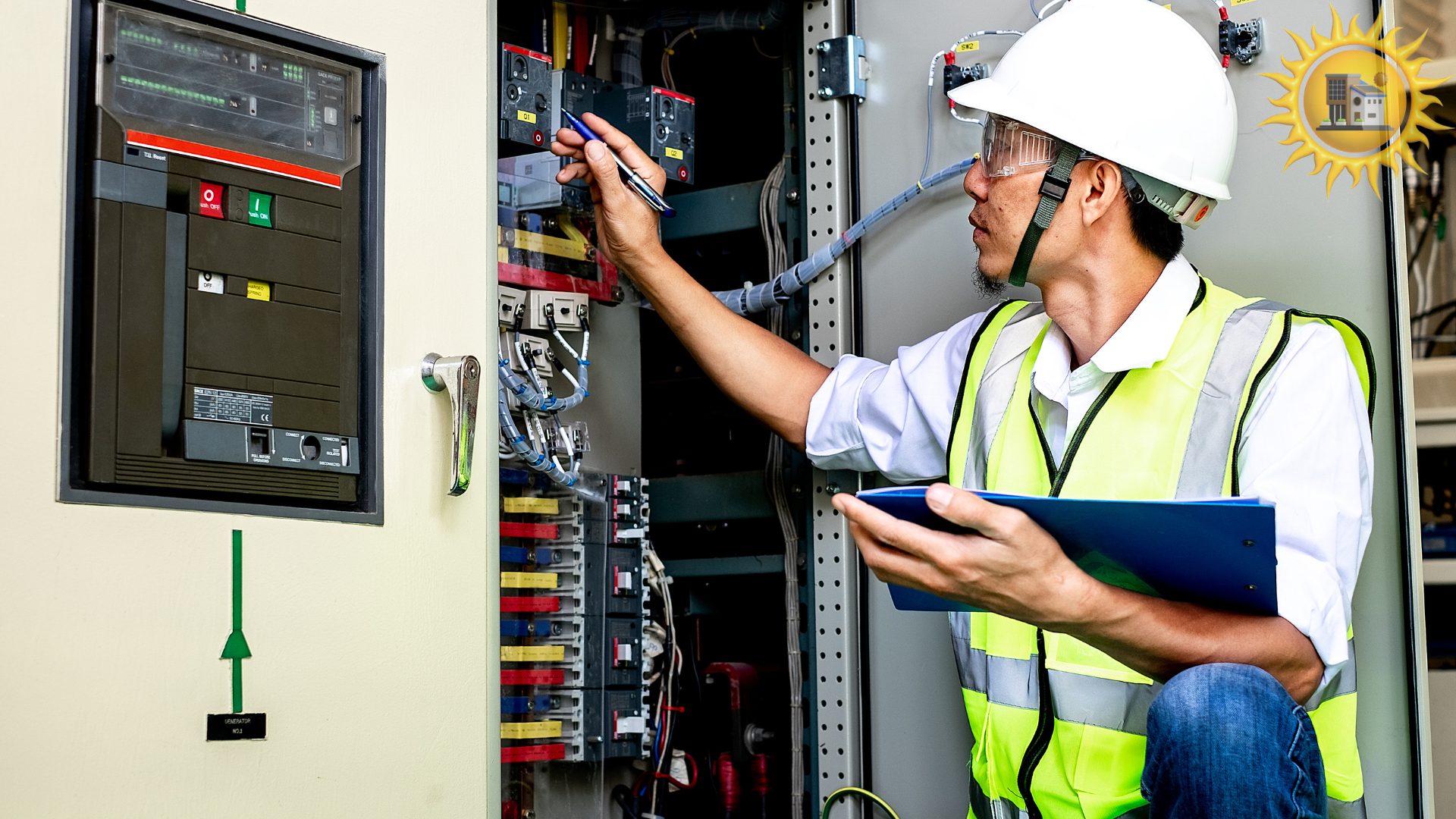
Keeping a rented home safe from fire is not something to leave until a tenant reports a problem. Landlords need a simple routine that covers alarms, escape routes, electrical hazards and any fire protection already fitted in the building. The right fire safety checks for rental properties also help you spot small issues before they turn into costly or dangerous ones.
This guide focuses on rental homes in England, including London. The exact duties can vary depending on whether the property is a single let, an HMO, a converted building or a block of flats.
Why Fire Safety Checks for Rental Properties Matter
A good fire safety routine protects tenants, but it also gives landlords a clear record of what has been checked and what still needs attention. A loose door closer, a faulty alarm or stored items in a hallway can easily be missed during everyday property management.
For premises covered by fire safety law, the responsible person must carry out and regularly review a fire risk assessment and keep a written record. The assessment should look at hazards, people at risk, escape routes, warning systems, firefighting equipment and emergency arrangements. Read the official GOV.UK fire risk assessment guidance for further information.
1. Test Smoke and Carbon Monoxide Alarms
This is one of the first fire safety checks for rental properties to complete before a new tenancy starts.
In England, relevant landlords must provide at least one smoke alarm on each storey where there is living accommodation. A carbon monoxide alarm is also required in a room used as living accommodation where there is a fixed combustion appliance, apart from a gas cooker. Required alarms must also be working when a new tenancy begins.
Landlords should have a clear process for dealing with faulty alarms during the tenancy. The official smoke and carbon monoxide alarm guidance for landlords explains the current requirements in England.
If your property needs a new or upgraded detection system, you can also arrange fire alarm installation with Landlord Certificate London.
2. Keep Escape Routes Clear
Walk through the property as if you had to leave it quickly in the dark. Hallways, stairs, landings and final exits should not be blocked by furniture, bicycles, rubbish or stored items.
In HMOs and buildings with communal areas, escape routes need closer attention because several occupants may rely on the same route. Doors should open properly, shared routes should remain usable, and any required fire safety signs should be easy to see.
Adding escape-route checks to your fire safety checks for rental properties turns fire safety into a practical routine rather than just another piece of paperwork.
3. Check Fire Doors Properly
A fire door is only useful if it can do its job. Look for visible damage, excessive gaps, missing seals, damaged hinges and doors that fail to close properly.
The Fire Safety (England) Regulations 2022 place specific duties on responsible persons in multi-occupied residential buildings. For buildings over 11 metres, communal fire doors must be checked at least quarterly and flat entrance doors at least annually.
If you are unsure about the condition of a door, consider arranging a professional fire door inspection rather than relying only on a visual check.
4. Do Not Ignore Electrical Fire Risks
Electrical faults are another important part of fire safety checks for rental properties. Look out for damaged sockets, scorch marks, loose fittings, overloaded extension leads and signs of unsafe DIY electrical work.
Private rented homes in England are subject to electrical safety requirements, and periodic inspection of the fixed electrical installation is an important part of landlord compliance. A Residential EICR from Landlord Certificate London can identify electrical defects and provide a report on the condition of the installation.
Simple visual checks between formal inspections also make sense. If a tenant reports burning smells, repeated tripping or unusually hot sockets, the problem should be investigated promptly rather than left until the next inspection.
5. Check Emergency Lighting Where Required
Emergency lighting is particularly important in communal areas, larger residential buildings and certain HMOs. Its purpose is simple: if normal lighting fails, people still need to see how to get out safely.
Include light fittings, escape routes and available test records in your fire safety checks for rental properties where emergency lighting forms part of the building’s fire precautions.
Landlords and managing agents who need a formal check can arrange emergency lighting testing through Landlord Certificate London.
6. Know When a Fire Risk Assessment Is Required
Not every rented property is treated in exactly the same way under fire safety law. The Fire Safety Order covers non-domestic premises and relevant areas of multi-occupied residential buildings. The Fire Safety Act 2021 clarified that its scope can include the building’s structure, external walls and flat entrance doors between domestic premises and common parts.
For landlords, freeholders and managing agents responsible for communal areas or relevant multi-occupied buildings, a suitable fire risk assessment is therefore a key part of compliance.
If you need professional assistance, Landlord Certificate London provides a Fire Risk Assessment service in London.
This is why fire safety checks for rental properties should support, rather than replace, a suitable fire risk assessment where one is legally required.
7. Keep Records and Act on Defects
Finding a problem is only the first step. Record what was found, when it was found and what action was taken. Keep relevant inspection reports, certificates, alarm-testing records and evidence of completed remedial work together.
For a new tenancy, keeping evidence that required alarms were checked and working on the tenancy start date is also sensible. GOV.UK advises landlords to keep a record of alarm testing.
Consistent records make fire safety checks for rental properties much easier to manage, especially if you look after several homes.
A Simple Landlord Fire Safety Routine
Before a tenant moves in, test required alarms, check exits, look for obvious electrical problems and make sure important doors and communal areas are in good condition.
During the tenancy, deal with reported faults quickly. After refurbishment, building alterations or significant changes in how the property is used, consider whether existing fire precautions and risk assessments still reflect the property.
For blocks of flats, the Fire Safety (England) Regulations 2022 guidance should also be checked because additional requirements apply to certain multi-occupied residential buildings.
Final Thoughts
Good fire safety is mostly about staying consistent. Small problems are easier to deal with when they are picked up early rather than ignored until the next major inspection.
If you manage a rental property in London and need help with fire safety checks for rental properties, Landlord Certificate London can assist with fire risk assessments, fire alarm services, fire door inspections, emergency lighting testing and other landlord safety services.
About the Author: LandlordCertificate

Related Posts
Get Social
Recent Posts
- Residential EICR London: Complete Electrical Safety Inspection Guide for Landlords & Homeowners
- Property Owners and Landlords Across London
- Emergency Lighting Assessment Failure Signs: 4 Critical Indicators Your System Needs Immediate Attention
- Annual Fire Alarm Inspection Checklist and Industrial Facility Solutions Safety Plan: 5-Step Shield
- Fuse Box Installation by a Certified Fuse Box Electrician for Circuit Failures and Safety Control