



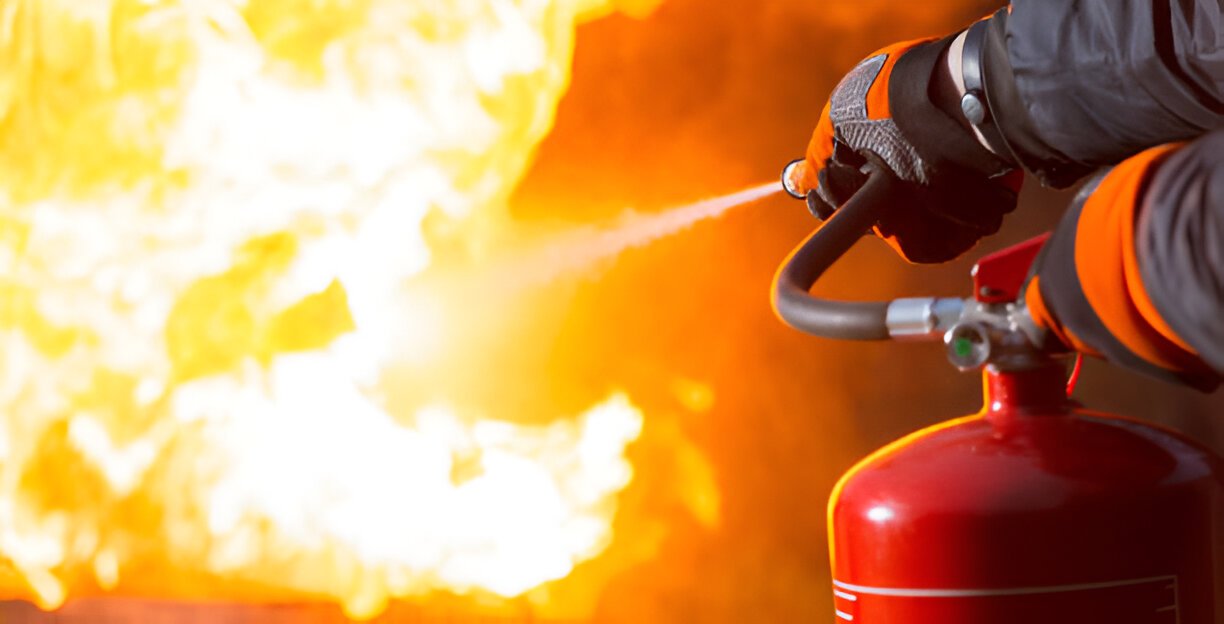
Keeping a rented property safe from fire is one of the basic duties of a landlord. It protects tenants, reduces risk, and helps you manage the property with fewer problems. A Fire Safety Certificates can also give you a useful record of the checks carried out at your property.
It is important to know that there is no single fire certificate that every rental property must have in the same way as a Gas Safety Record. The checks you need depend on the property, its use, and the fire safety rules that apply to it.
If you need professional checks in London, you can find more information about the Fire Safety Certificates service offered by Landlord Certificate London.
What Is a Fire Safety Certificates?
A Fire Safety Certificates is generally a document provided after relevant fire safety checks have been carried out. Depending on the service, the inspection may look at smoke alarms, fire alarms, fire doors, escape routes, emergency lighting, and other safety measures.
The document gives landlords and property managers a record of what was inspected. It can also point out issues that may need attention.
For landlords who need a wider review of fire hazards, a Fire Risk Assessment in London may be more suitable.
Do Landlords Need a Fire Safety Certificates?
Your legal responsibilities depend on the type of property you rent out.
Landlords in England have duties relating to smoke alarms and carbon monoxide alarms. Other fire safety requirements may apply to HMOs, blocks of flats, commercial buildings, and properties with shared areas.
A Fire Safety Certificates can form part of your property safety records, but it does not replace other inspections or assessments required for the building.
You can read the UK Government’s official guidance on fire safety in shared or rented accommodation for more information about landlord responsibilities.
What Does a Fire Safety Inspection Check?
The exact inspection depends on the property and the service you book. A professional may check:
- Smoke and heat alarms
- Fire alarm systems
- Fire doors
- Escape routes
- Emergency lighting
- Fire extinguishers where required
- Shared corridors and stairways
- Visible fire hazards
A Fire Safety Certificates can help you keep a clear record of these checks.
If an existing alarm system is old, damaged, or unsuitable for the property, you may also need professional Fire Alarm Installation.
Why Is a Fire Safety Certificates Useful?
A Fire Safety Certificates gives you written evidence that relevant checks have taken place. This can make property management easier, especially when you look after several rental properties.
It can also help when dealing with tenants, managing agents, contractors, or insurers. More importantly, regular checks can find problems before they become serious.
Fire safety equipment does not stay in perfect condition forever. Alarms can stop working, fire doors can become damaged, and shared escape routes can become blocked.
Checking these areas regularly helps you deal with problems early.
Fire Safety for Flats and HMOs
Flats and HMOs often need more attention because several people may share corridors, stairs, entrances, and exits.
A Fire Safety Certificates may be useful for your records, but shared buildings can require several different types of fire safety checks.
For example, you may need a fire risk assessment, alarm inspection, emergency lighting test, or fire door inspection.
Fire doors are especially important because they are designed to slow the spread of fire and smoke. If your property contains fire doors, you can find more information about Fire Door Certification in London.
Landlords with communal areas should also make sure escape routes remain clear and that residents can leave the building safely in an emergency.
How Often Should Fire Safety Be Checked?
There is no single inspection schedule that fits every building.
The right frequency depends on the property, its use, its occupants, the equipment installed, and the rules that apply to it.
Having a Fire Safety Certificates does not mean fire safety can be ignored until the next inspection. Landlords should continue checking alarms, keeping escape routes clear, and dealing with faults when they appear.
Another inspection may also be sensible after major building work, changes to the layout, new tenants in certain types of accommodation, or changes to the fire alarm system.
Fire Risk Assessment or Fire Safety Certificates?
These two services are sometimes confused, but they are not always the same thing.
A Fire Safety Certificates generally records specific fire safety checks. A fire risk assessment takes a wider look at possible fire hazards, people who may be at risk, existing precautions, and improvements that may be needed.
The right option depends on your property.
For a more detailed assessment of the building, visit the Fire Risk Assessment service page.
Other Property Safety Checks Landlords Should Consider
Fire safety is only one part of keeping a rental property safe.
Electrical installations also need proper inspection and maintenance. Landlords who need to check the condition of their electrical installation can arrange a Residential EICR.
Keeping different certificates and inspection reports together can make it much easier to manage renewal dates and show that safety checks have been completed.
If several inspections are due at the same time, you can also use the online booking page to view available property safety services.
Choosing a Fire Safety Service in London
Before booking, make sure you understand exactly what the inspection includes.
Ask which areas of the property will be checked, what document you will receive, and whether any repair work is included in the price.
A reliable provider should also explain any problems found during the visit in clear language.
For London landlords who need a Fire Safety Certificates, Landlord Certificate London provides fire safety inspections along with several other landlord compliance services.
Frequently asked questions.
Not necessarily. There is no single fire certificate that applies to every rental property. The fire safety duties depend on the type of building and how it is occupied.
It depends on the inspection. Basic alarm testing may be straightforward, while formal fire risk assessments and specialist inspections should be handled by someone with suitable knowledge and competence.
Usually not. Your building may require separate checks for alarms, fire doors, emergency lighting, or fire risks.
Yes. A Fire Certificate can provide a useful record of checks and make it easier to keep your property safety paperwork organised.
Final Thoughts
A fire safety certificates can be an important part of managing a safe rental property, but fire safety should never be treated as paperwork alone.
Working alarms, clear escape routes, suitable fire doors, regular inspections, and quick action when problems are found all help protect tenants.
If you manage a property in London, keeping your fire safety records up to date can also make compliance much easier. For professional help, visit Landlord Certificate London or book a property inspection online.
About the Author: LandlordCertificate

Related Posts
Get Social
Recent Posts
- Residential EICR London: Complete Electrical Safety Inspection Guide for Landlords & Homeowners
- Property Owners and Landlords Across London
- Emergency Lighting Assessment Failure Signs: 4 Critical Indicators Your System Needs Immediate Attention
- Annual Fire Alarm Inspection Checklist and Industrial Facility Solutions Safety Plan: 5-Step Shield
- Fuse Box Installation by a Certified Fuse Box Electrician for Circuit Failures and Safety Control