



Managing a rental property is not only about keeping it clean and well maintained. You also need to make sure people can get out safely if a fire starts and that the right safety measures are in place. Good fire compliance helps landlords spot problems early, keep useful records and reduce avoidable risk.
For many properties, the starting point is a suitable Fire Risk Assessment. It looks at the building, the people who may be at risk and the steps needed to reduce danger. The assessment should not simply sit in a file. It needs to reflect the property as it is being used.
What Does Fire Compliance Mean for a Landlord?
Fire compliance means managing the fire risks that apply to your property and keeping the required precautions in working order. The exact duties depend on the type of building, how it is occupied and which parts fall under fire safety law.
In England, a responsible person for premises covered by the Regulatory Reform (Fire Safety) Order 2005 must carry out and regularly review a fire risk assessment. GOV.UK also says a written record of the assessment must be kept. You can read the official fire risk assessment guidance on GOV.UK.
For landlords, this is important because a certificate or report on its own does not replace day-to-day safety management. Fire safety management is an ongoing process, especially where there are communal areas, several occupants or changes to the building.
Start With the Fire Risk Assessment
A proper assessment should identify possible ignition sources, people at greater risk and any weaknesses in the existing precautions. This gives fire compliance a clear starting point instead of relying on guesswork.
It should also consider escape routes, warning systems, firefighting equipment and emergency planning.
If you manage a block of flats, HMO, commercial unit or mixed-use building, arranging a professional assessment can make the process much clearer. Landlord Certificate London provides Fire Risk Assessment services across London.
Once the assessment is complete, deal with any actions according to their level of risk. Leaving important recommendations unresolved can weaken the overall safety plan even when the original inspection was completed correctly.
Check Alarms and Warning Systems
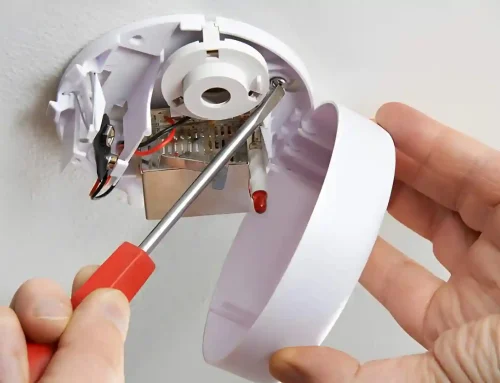
People need enough warning to leave the building safely. Smoke alarms, heat alarms and larger fire alarm systems should therefore be suitable for the property and maintained properly.
If the building has a dedicated alarm system, regular inspection and testing may be required as part of the overall safety arrangements. You can view LCL’s Fire Safety Certificate and alarm testing service for available inspection options.
Do not assume that an alarm is fine because it worked months ago. Batteries fail, detectors can become damaged and changes to the layout may affect coverage. Routine checks are a simple but important part of fire compliance.
Keep Escape Routes Clear
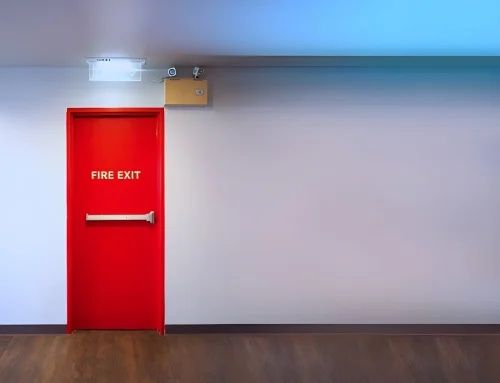
An escape route is only useful when people can actually use it. Corridors, stairways and final exits should not be blocked by furniture, bicycles, rubbish or stored items.
Landlords and managing agents should also look for damaged doors, poor lighting, locked exits or anything else that could slow an evacuation. In shared buildings, these small issues can become serious during an emergency.
Clear escape routes make the property safer because one of the most basic safety measures remains available at all times.
Do Not Ignore Fire Doors
Fire doors are designed to slow the spread of fire and smoke. A door that does not close correctly, has damaged seals or has been altered may not provide the protection expected.
This is particularly important in blocks of flats and other buildings with common parts. The Fire Safety (England) Regulations 2022 introduced specific fire-door duties for certain multi-occupied residential buildings. For buildings over 11 metres, this includes quarterly checks of communal fire doors and annual checks of flat entrance doors.
Official information is available in the government fire door guidance.
Where a door needs professional inspection, LCL also offers a Fire Door Certificate service. Keeping these doors in good condition is a practical part of fire compliance.
Review Emergency Lighting and Firefighting Equipment
Emergency lighting can help people find their way out if normal power fails. This is especially important in communal corridors, staircases and other shared escape routes.
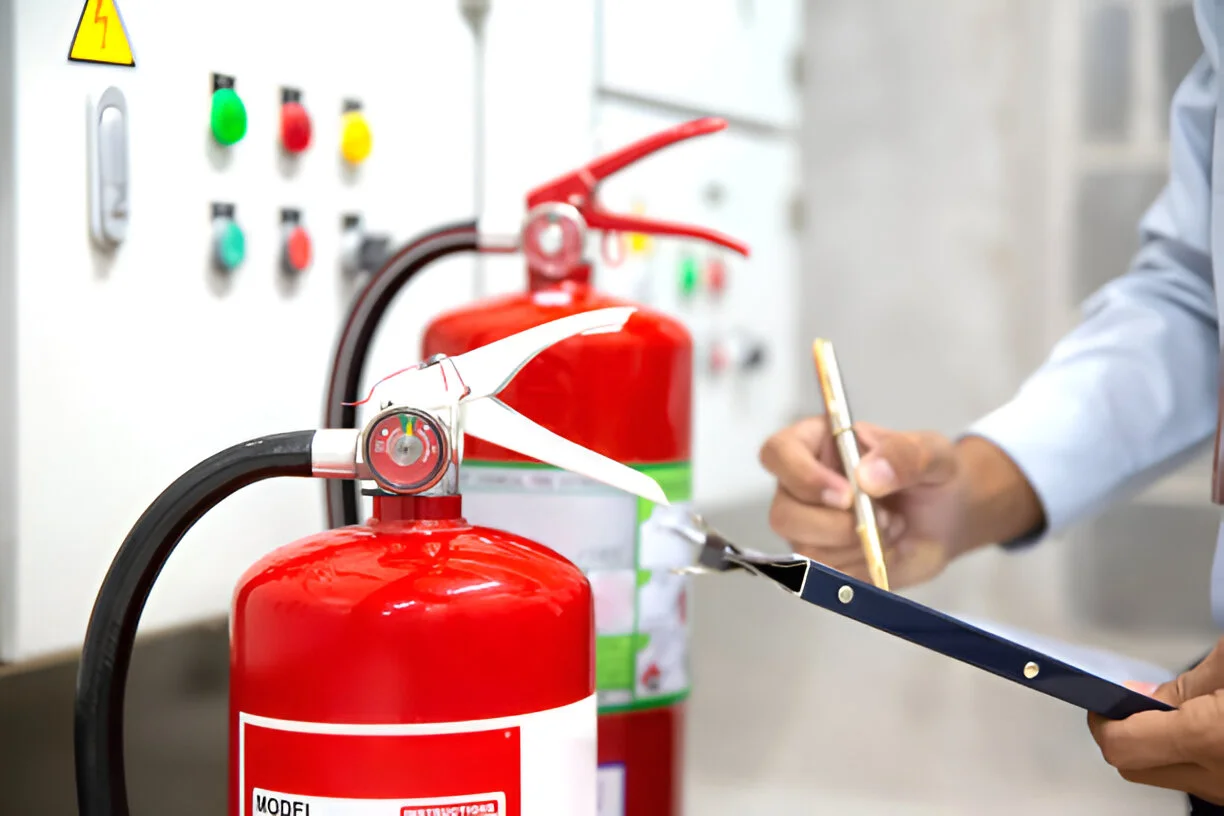
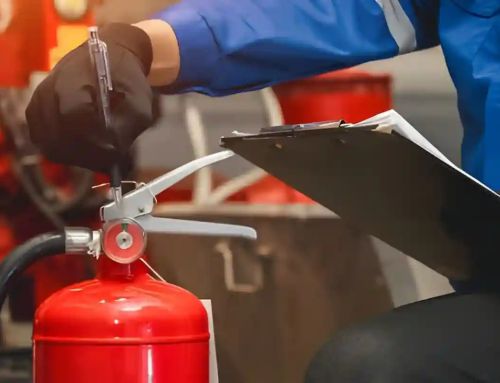
Fire extinguishers should also be suitable for the risk, correctly positioned and serviced where required. LCL provides Emergency Lighting Testing and Fire Extinguisher Testing for landlords and property managers.
Keeping this equipment checked supports safer property management and gives you a clearer maintenance record if an issue is raised later.
Update Records When the Property Changes
A fire risk assessment is not something to forget about after one visit. Review it when there are meaningful changes to the building, occupancy, layout or fire safety arrangements, and review it regularly even when nothing obvious has changed.
Examples include major refurbishment, new commercial use, changes to communal areas or alterations to doors and escape routes. Good records make it easier to see what was inspected, what action was recommended and when work was completed.
For larger residential buildings, additional duties may apply under the Fire Safety (England) Regulations 2022. Government guidance explains the responsibilities that apply to multi-occupied residential buildings and high-rise blocks.
Why Fire Compliance Is Worth Taking Seriously
The main reason is simple: people need to be able to leave safely if something goes wrong. But organised fire safety management also helps landlords avoid last-minute problems during inspections, tenancy changes or property management reviews.
A clear record of assessments, maintenance and completed actions also makes it easier to manage contractors and future inspections. Instead of guessing what was checked, you have a documented history of the property.
For landlords with several properties, having a repeatable fire compliance process can save time. Keep assessment dates, actions, alarm checks, door inspections and maintenance records together so nothing important is missed.
Fire Safety Should Be Part of Regular Property Management
Fire safety should not only receive attention when a certificate expires or an inspection is due. Property use changes over time. Tenants change, equipment is replaced and common areas may be altered.
Regular checks help landlords notice these changes before they turn into bigger issues. This approach makes fire compliance part of normal property management rather than something that is dealt with only when a problem appears.
It can also make future inspections easier because previous reports, repairs and maintenance records are already organised.
Book a Fire Safety Inspection in London
If you are unsure what your property needs, start with the building type, occupancy and existing fire safety measures. From there, the correct inspection can be arranged without paying for work that does not match the property.
Landlord Certificate London provides fire risk assessments, alarm inspections, emergency lighting checks, fire door inspections and extinguisher testing across London. Visit our fire safety services or contact the team to discuss the right option for your property.
Keeping fire compliance up to date is easier when risks are checked early, actions are recorded and safety equipment is maintained rather than left until a problem appears.
About the Author: LandlordCertificate

Related Posts
Get Social
Recent Posts
- Residential EICR London: Complete Electrical Safety Inspection Guide for Landlords & Homeowners
- Property Owners and Landlords Across London
- Emergency Lighting Assessment Failure Signs: 4 Critical Indicators Your System Needs Immediate Attention
- Annual Fire Alarm Inspection Checklist and Industrial Facility Solutions Safety Plan: 5-Step Shield
- Fuse Box Installation by a Certified Fuse Box Electrician for Circuit Failures and Safety Control