




Keeping residents, staff, and visitors safe starts with a clear fire assessment. Whether you manage a single commercial unit, an HMO, or a residential block of flats, knowing how fire risks are spotted and controlled takes the guesswork out of compliance.
This guide walks you through why a fire assessment matters, the five steps assessors follow, common mistakes that hold properties back, and how to prepare your building before an inspection takes place.
Why a Fire Assessment Matters for Every Property
Most serious property fires start from everyday oversights: an overloaded extension lead, a heater placed too close to curtains, or rubbish left beside a rear exit. Booking a professional Fire Risk Assessment highlights those hazards early before they turn into costly damage or life-threatening emergencies.
Beyond protecting lives, a written assessment helps landlords and business owners meet statutory duties under the Regulatory Reform (Fire Safety) Order 2005 and Section 156 of the Building Safety Act 2022, as explained in the London Fire Brigade fire safety law guide. Insurers and local council HMO licensing teams also expect an up-to-date written report on file.
Key Steps in the Fire Assessment Process
Assessor inspections follow the structured GOV.UK 5-step fire risk assessment checklist so nothing in your building is missed:
1. Identify Fire Hazards
Record ignition sources (faulty wiring, boilers, cooking, heaters) alongside fuel sources like packaging, waste, and furnishings.
2. Identify People at Risk
Account for sleeping tenants, lone workers, visitors unfamiliar with the layout, children, elderly occupants, and disabled people.
3. Evaluate and Reduce Risks
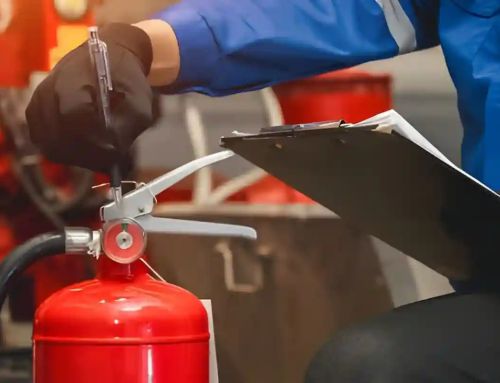
Check escape routes, fire doors, alarms, emergency lighting, and extinguishers, then set practical steps to cut risk.
4. Record, Plan and Train
Keep a written action plan, share evacuation procedures clearly, and make sure staff or residents know what to do if an alarm sounds.
5. Review Regularly: Update your written assessment at least once a year, or straight away if you alter the layout, change occupancy, install new equipment, or experience a fire or near miss.
Common Mistakes to Avoid During a Fire Assessment
Even properties with working alarms can fail an audit when day-to-day management slips. Watch out for these five frequent mistakes:
Ignoring Minor Hazards
Loose sockets, daisy-chained extension leads, or clutter near exits quickly escalate into serious risks if left unchecked.
Poor Record-Keeping
Missing alarm test logs, EICR certificates, or past action-plan sign-offs make compliance hard to prove during an inspection.
Blocking Escape Routes
Storing bikes, prams, parcels, or stock in communal hallways and staircases slows evacuation and traps smoke.
Skipping Staff or Tenant Briefings
An evacuation plan only works when everyone inside knows where exits lead, how alarms sound, and where to assemble.
How to Prepare Before the Assessor Arrives
A little preparation before the visit keeps the inspection smooth and avoids avoidable follow-up actions. Walk through all hallways, staircases, bin stores, and service cupboards to clear any stored items and confirm final exit doors open easily without a key.
Gather your supporting compliance paperwork in one place, including previous Fire Risk Assessments, alarm and emergency lighting test logs, recent electrical (EICR) and gas safety records, and simple floor plans if available. For commercial sites, let staff know when the assessor is attending so they can answer questions about daily routines.
Essential Fire Safety Equipment Every Property Needs
The exact equipment required depends on your building type and risk level, as explained in the London Fire Brigade property management fire alarm guidance. In most residential HMOs, shared blocks, and workplaces, assessors look for:
- Smoke and Heat Alarms: BS 5839 compliant detection suited to the premises, tested regularly with batteries or backup power maintained.
- Fire Extinguishers and Blankets: Correct extinguisher types for local risks (such as electrical or kitchen areas) plus fire blankets in kitchens.
- Emergency Lighting and Exit Signs: Illuminated escape signage and backup lighting along corridors and staircases in case mains power fails.
- Self-Closing Fire Doors: Properly fitted fire doors with intact intumescent strips and smoke seals, never wedged or propped open.
- Automatic Suppression (Where Required): Sprinkler or mist systems in higher-risk or multi-storey buildings where specified by design or assessment.

Field Insight
Hassan Sharif, Business Development Manager & Compliance Specialist
Preparing a property before the assessor arrives saves everyone time. Having your alarm test log, EICR, and emergency lighting records ready alongside clear communal hallways lets the inspection focus on real building safety rather than basic housekeeping reminders.
Fire Assessment Prices in London
Below are the live inspection rates across London for residential and commercial properties:
Residential Fire Risk Assessment Prices
| Property / Scope | Price |
|---|---|
| Studio Apartment | £74 |
| Communal Area (1–3 Floors) | £129.99 |
| Communal Area (3–6 Floors) | £149.99 |
| 1–3 Bedrooms | £139.99 |
| 4 Bedrooms | £179.99 |
| 5 Bedrooms | £189.99 |
| 6 Bedrooms | £249.99 |
| 7 Bedrooms | £299.99 |
| 8 Bedrooms | £349.99 |
Commercial Fire Risk Assessment Prices
| Premises / Scope | Price |
|---|---|
| Communal Area (Up to 3 Floors) | £149.99 |
| Communal Area (3–5 Floors) | £189.99 |
| Communal Area (5–10 Floors) | £279.99 |
| Building (1–3 Floors) | £249.99 |
| Building (3–5 Floors) | £369.99 |
| Building (5–8 Floors) | £459.99 |
| Building (8–12 Floors) | £539.99 |
| More than 12 Floors | Get a Quote |
Note: Additional charges apply only where relevant: £5 for paid parking (where free parking is unavailable) and £18 if the property sits inside the London Congestion Charge zone.
Frequently Asked Questions
+ What is the main purpose of a fire assessment?
Its main purpose is to spot fire hazards, assess who could be at risk, and put practical precautions in place before an emergency happens, while giving you a written record for legal compliance.
+ How often should a fire assessment be reviewed?
Most properties should review their assessment once a year, or straight away if the building layout changes, new equipment is installed, occupancy increases, or a fire incident occurs.
+ Who is responsible for keeping a building fire-safe?
Under the Regulatory Reform (Fire Safety) Order 2005, legal responsibility sits with the Responsible Person (landlord, freeholder, managing agent, or employer), though staff and tenants also play a part by keeping exits clear and reporting faults.
+ What should be included in a fire safety action plan?
A clear action plan lists each issue found, the exact fix required, its priority level, who is responsible for completing it, and a realistic target deadline.
+ Why is fire safety training important for staff and residents?
Training ensures people know where escape routes lead, what the alarm sounds like, and how to evacuate calmly without blocking exits or taking unnecessary risks.
Book Your Fire Assessment in London
Keep your property compliant and your occupants protected with a clear written report. Call 020 4518 8198, email info@landlordcertificatelondon.co.uk, or book online in minutes.
About the Author: LandlordCertificate

Related Posts
Get Social
Recent Posts
- Asbestos Management Surveys for London Rental Properties: CAR 2012 Landlord Guide
- Commercial Fire Risk Assessment London: Workplace Fire Compliance & Safety Certification
- Commercial Gas Safety Certificate CP42 London: Commercial Kitchen & Catering Compliance
- Landlord Gas Safety Certificate CP12 London: Annual Inspection & Legal Compliance Guide
- Commercial EICR London: Business Electrical Testing & Workplace Compliance Guide