

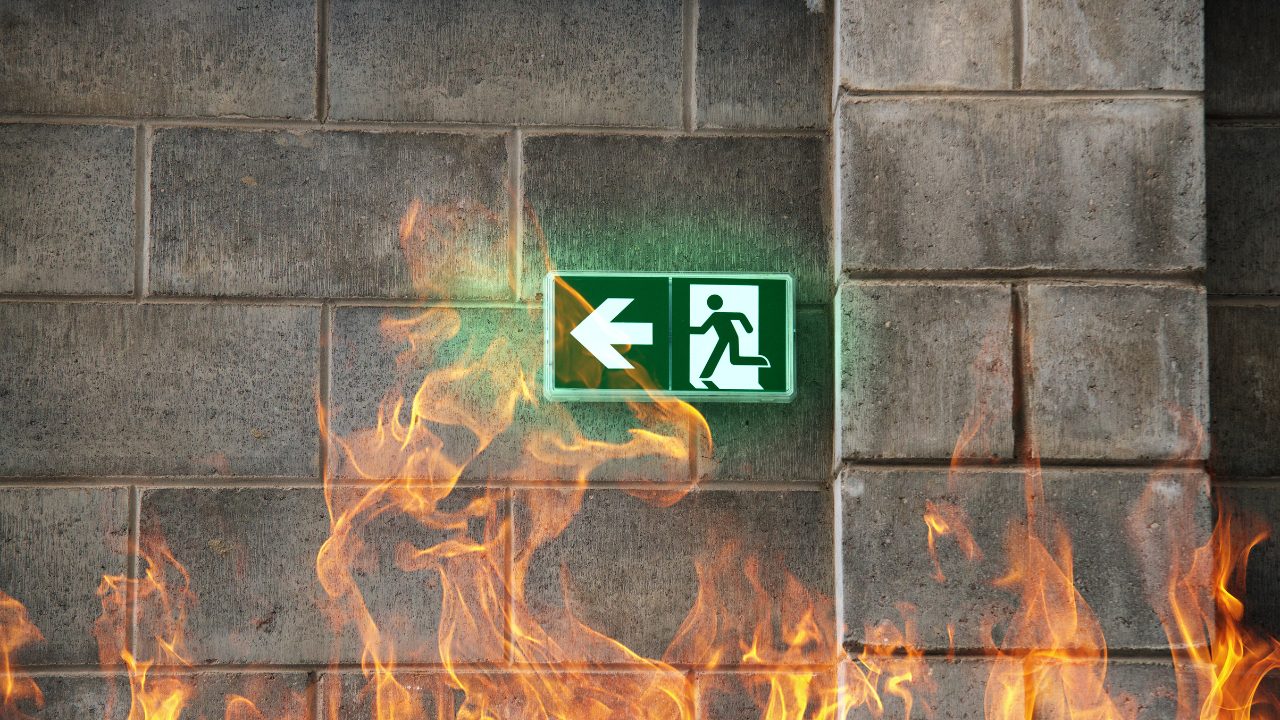
A fire and safety risk assessment is a practical inspection that identifies what could start a fire, who might be harmed, and what precautions are needed to keep a building safe. Whether you manage a commercial unit, an HMO, or the shared hallways of a converted block of flats, carrying out a thorough assessment is one of the most important responsibilities a property owner or employer holds.
Good fire safety management goes well beyond ticking a box for an insurer. When escape routes, fire doors, alarms, and staff or tenant procedures work together properly, small incidents stay contained and everyone knows how to get out safely.
Legal Duties and Compliance in the UK
In England and Wales, the main legislation is the Regulatory Reform (Fire Safety) Order 2005. It places a legal duty on the Responsible Person (typically the employer, landlord, freeholder, or managing agent) to arrange a suitable Fire Risk Assessment and keep general fire precautions maintained.
Under the Fire Safety Act 2021, the Fire Safety (England) Regulations 2022, and Section 156 of the Building Safety Act 2022, every Responsible Person must now record their full Fire Risk Assessment in writing regardless of staff numbers or premises size. Multi-occupied residential buildings must also account for external walls, balconies, and flat entrance doors, as detailed in the GOV.UK fire safety legislation guidance.
Who Needs a Fire and Safety Risk Assessment?
Any organisation that employs staff, welcomes customers or visitors, or manages the common parts of a building with two or more domestic flats must have an active assessment. This covers offices, shops, restaurants, warehouses, schools, healthcare clinics, HMOs, and converted residential blocks.
Protect Lives First
Early warning systems, protected staircases, and clear exits give occupants vital minutes to evacuate safely.
Stay Legally Compliant
Meet local council HMO licensing rules, fire authority expectations, and Section 156 written record duties.
Protect Your Insurance
Commercial and landlord policies routinely require an up-to-date written Fire Risk Assessment to remain valid.
Prevent Business Disruption
Controlling electrical, storage, and heating hazards avoids costly fire damage, closures, and enforcement notices.
Common Fire Hazards in Workplaces and Buildings
Even well-run buildings can develop hidden risks over time. As outlined in the HSE fire safety guidance, controlling ignition sources, flammable materials, and everyday housekeeping is essential:
Combustible Storage
Stock, cardboard, furniture, or rubbish left in corridors, under stairs, or inside boiler and meter cupboards.
Electrical Faults
Overloaded sockets, daisy-chained extension leads, damaged cables, or overdue electrical installation testing.
Compromised Fire Doors
Wedged-open doors, missing smoke seals, excessive gaps, or broken self-closers that allow smoke to spread.
Blocked Escape Routes
Locked final exit doors requiring keys, obstructed landings, or missing emergency lighting and exit signage.
Fire Safety Equipment and Maintenance Intervals
Having fire equipment on site only helps if it is suited to the building’s risks and kept in working order. Your emergency plan should also make clear who checks equipment, who calls 999, and how vulnerable or disabled occupants are supported during evacuation.
| Equipment Type | Primary Purpose | Recommended Check & Servicing |
|---|---|---|
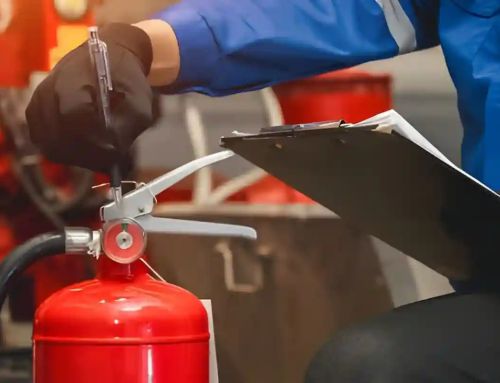
| Fire Extinguishers | Tackle small, contained fires safely if trained | Monthly visual check; annual service by a competent engineer |
| Smoke & Heat Alarms | Detect fire early and alert all occupants | Weekly test (commercial/Grade A) or monthly (domestic); annual service |
| Sprinkler Systems | Control or suppress fires automatically | Routine weekly/monthly checks; annual service and inspection |
| Fire Blankets | Smother small kitchen or pan fires | Annual visual check; replace immediately after any use |
| Fire Hose Reels | Supply water for trained staff in larger premises | Monthly visual check; annual pressure and flow test |
How Often Should Your Assessment Be Reviewed?
There is no fixed statutory expiry date, but best practice and most local authority licensing conditions expect a review every 12 months. You must also review the assessment immediately if you renovate the layout, change how rooms are used, take on higher-risk processes, or experience a fire or near miss.

Field Insight
Hassan Sharif, Business Development Manager & Compliance Specialist
In commercial units and shared residential blocks, the biggest compliance gap is rarely a lack of equipment; it is letting routine checks slip between tenancies or staff changes. Keeping a simple logbook alongside an annual assessment review prevents small defects from turning into enforcement notices.
Fire and Safety Risk Assessment Prices in London
Below are the live inspection rates across London for residential and commercial properties:
Residential Fire Risk Assessment Prices
| Property / Scope | Price |
|---|---|
| Studio Apartment | £74 |
| Communal Area (1–3 Floors) | £129.99 |
| Communal Area (3–6 Floors) | £149.99 |
| 1–3 Bedrooms | £139.99 |
| 4 Bedrooms | £179.99 |
| 5 Bedrooms | £189.99 |
| 6 Bedrooms | £249.99 |
| 7 Bedrooms | £299.99 |
| 8 Bedrooms | £349.99 |
Commercial Fire Risk Assessment Prices
| Premises / Scope | Price |
|---|---|
| Communal Area (Up to 3 Floors) | £149.99 |
| Communal Area (3–5 Floors) | £189.99 |
| Communal Area (5–10 Floors) | £279.99 |
| Building (1–3 Floors) | £249.99 |
| Building (3–5 Floors) | £369.99 |
| Building (5–8 Floors) | £459.99 |
| Building (8–12 Floors) | £539.99 |
| More than 12 Floors | Get a Quote |
Note: Additional charges apply only where relevant: £5 for paid parking (where free parking is unavailable) and £18 if the property sits inside the London Congestion Charge zone.
Frequently Asked Questions
+ What qualifications should a fire safety assessor have?
Look for a competent assessor with recognised fire safety qualifications (such as IFE, IFSM, IFPO, or NEBOSH Fire), practical experience with your building type, and full professional indemnity insurance.
+ Do certain industries have stricter fire safety rules?
Yes. Care homes, hospitals, hotels, licensed venues, high-rise residential blocks, and sites storing flammable substances face stricter alarm, compartmentation, and staffing requirements.
+ How can employees contribute to fire safety assessments?
Staff should report blocked corridors, faulty door closers, or damaged electrical leads immediately, take part in fire drills, and share practical feedback on day-to-day risks in their work area.
+ What are the signs of an inadequate fire safety assessment?
Warning signs include generic copy-and-paste templates that ignore your building layout, missing checks on flat entrance doors or vulnerable occupants, and no clear, prioritised action plan with realistic timescales.
+ What happens if a business or landlord skips a Fire Risk Assessment?
Fire authorities can serve Enforcement or Prohibition Notices restricting use of the building. Serious breaches carry unlimited fines, potential prosecution, invalidated insurance, and HMO licence refusal.
Book Your Fire and Safety Risk Assessment Today
Protect your tenants, staff, and property with a compliant written report. Call 020 4518 8198, email info@landlordcertificatelondon.co.uk, or book online in minutes.
Book Online NowAbout the Author: LandlordCertificate

Related Posts
Get Social
Recent Posts
- Asbestos Management Surveys for London Rental Properties: CAR 2012 Landlord Guide
- Commercial Fire Risk Assessment London: Workplace Fire Compliance & Safety Certification
- Commercial Gas Safety Certificate CP42 London: Commercial Kitchen & Catering Compliance
- Landlord Gas Safety Certificate CP12 London: Annual Inspection & Legal Compliance Guide
- Commercial EICR London: Business Electrical Testing & Workplace Compliance Guide