



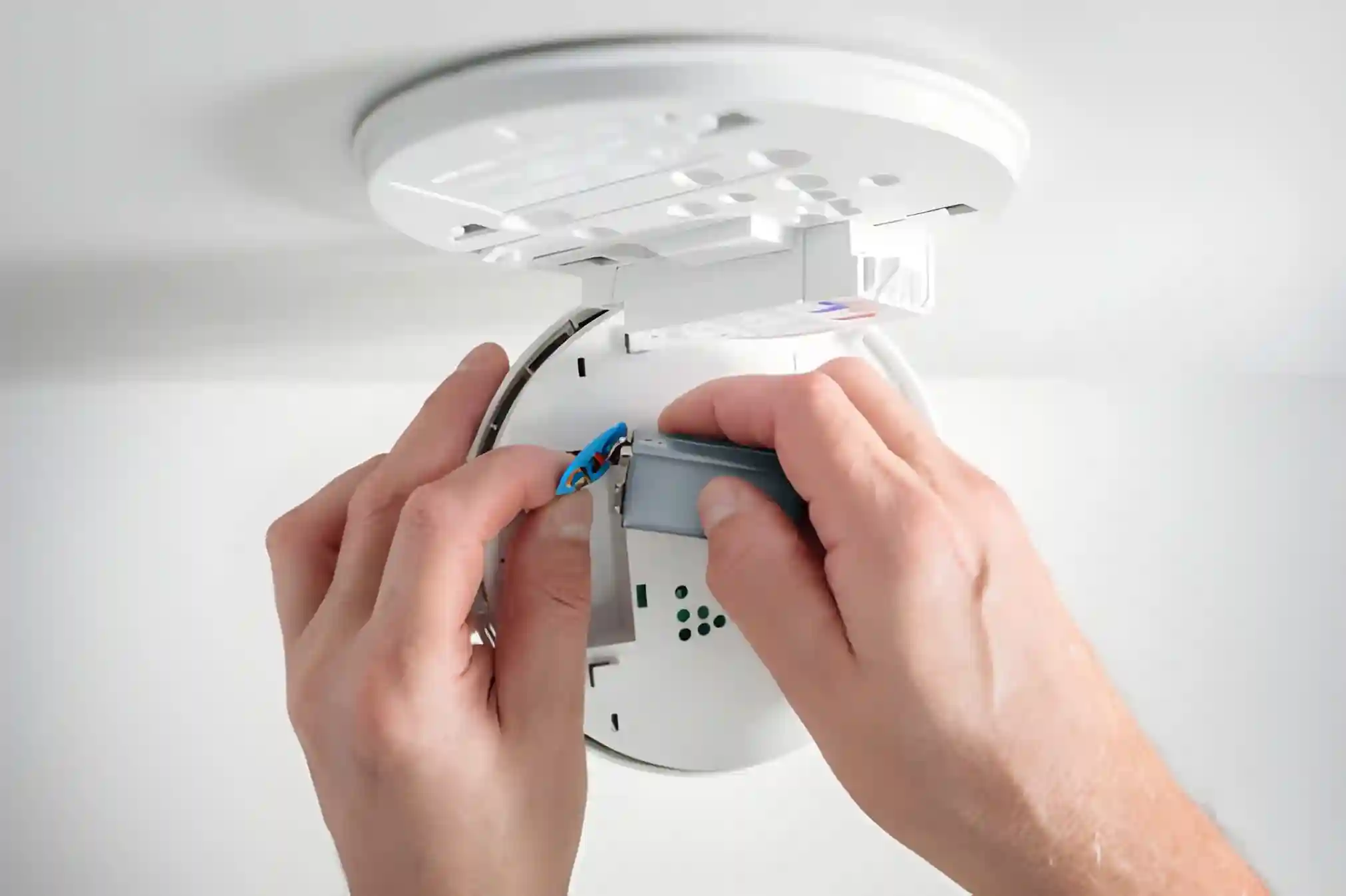
A reliable fire alarm system is one of the most important parts of a property’s fire safety arrangements. However, installing an alarm is only the beginning. Detectors, sounders, control panels, batteries and other components need to remain suitable and operational throughout the life of the system.
A professional Fire Alarm Inspection London service can identify faults, damaged components, ageing detectors and other issues before they affect the system’s ability to provide an effective warning. An inspection can also help determine whether maintenance is enough or whether part of the system needs to be upgraded or replaced.
Fire alarm requirements for a family home are not necessarily the same as those for an HMO, office, shop, restaurant or block of flats. Domestic systems are generally covered by recommendations within BS 5839-6, while fire detection and alarm systems in non-domestic premises are covered by BS 5839-1.
Landlords and property managers should therefore avoid making changes based simply on where an existing detector happens to be located. The alarm type, positioning, coverage and installation should be appropriate for the building and its fire risk.
If an inspection identifies significant problems, our fire alarm installation service can help you plan an appropriate replacement or upgrade.
Key Takeaways
- Regular fire alarm inspections can identify faults before they become serious.
- Replacement should be based on condition, system design and manufacturer guidance.
- Domestic and non-domestic premises can have different fire alarm requirements.
- Landlords have specific responsibilities for smoke and carbon monoxide alarms.
- Hard-wired fire alarm systems should be handled by competent professionals.
- A professional inspection can determine whether repair, upgrade or replacement is appropriate.
Why Fire Alarm Replacement Is Important
Fire alarm equipment does not remain in perfect condition indefinitely. Components may deteriorate, sensors can become contaminated, batteries lose capacity and changes to a building can leave an older system unsuitable for the way the property is now used.
During a Fire Alarm Inspection London, an engineer may examine detectors, manual call points, sounders, power supplies, batteries, control equipment and any obvious signs of damage or alteration. The exact checks depend on the type of system and premises.
Replacement may be recommended when equipment repeatedly fails tests, important components are obsolete, manufacturers no longer support the system, coverage is inadequate or repairs are no longer practical.
For properties with wider fire safety concerns, a Fire Risk Assessment can help identify hazards and determine whether existing precautions remain appropriate.
How to Know It’s Time to Replace Your Fire Alarm
Replacement should normally follow inspection, testing and professional assessment rather than guesswork.
Common reasons for investigating an upgrade include repeated faults on the control panel, detectors that fail testing, damaged sounders, unreliable connections, recurring false alarms or equipment that has exceeded the manufacturer’s recommended service life.
Changes to the building are another important consideration. Converting rooms, changing occupancy, extending a property or altering escape routes may affect whether the existing fire detection system provides suitable coverage.
A professional Fire Alarm Inspection London can assess these issues and explain whether individual components can be repaired or replaced, or whether a wider system upgrade is appropriate.
The Safe Way to Replace or Upgrade a Fire Alarm
Replacing a battery-operated domestic alarm is very different from modifying a mains-powered, interconnected or commercial fire alarm system.
For a professional fire alarm installation, the first step should be to assess the existing system and determine what actually needs changing. This includes reviewing the property layout, existing equipment, system category where applicable, identified risks and any relevant documentation.
An engineer can then identify compatible equipment and plan the work so that fire protection is not unnecessarily compromised while the system is being updated.
Once replacement equipment has been installed, the system should be appropriately tested and commissioned. Detectors, call points, sounders, interfaces and control equipment should perform as intended.
Changes should also be documented so that landlords, responsible persons or property managers know what was installed and when.
Avoid attempting electrical alterations to a hard-wired alarm system unless you are competent to carry out that work. Incorrect wiring or incompatible components can create faults that may not be obvious until the alarm is needed.
Common Mistakes to Avoid During Fire Alarm Replacement
Detector type and positioning should be determined by the premises and applicable guidance. A smoke detector, for example, is not automatically the best choice for every location. Heat alarms may be more appropriate in certain areas where normal activities could otherwise cause unwanted alarms.
Devices that look similar may operate differently or may not communicate correctly with existing control equipment.
Property owners should also avoid ignoring recurring false alarms. Frequent unwanted alarms can indicate contamination, poor positioning, incorrect detector selection or another underlying problem that needs investigation.
Skipping documentation is another unnecessary risk. Maintenance, testing, repairs and alterations should be properly recorded where appropriate.
For additional fire safety measures, landlords and managers can also arrange an emergency lighting test to check whether emergency lighting remains suitable and operational.
How Often Should You Check and Test Your Fire Alarm?
Domestic smoke alarms should be tested regularly in accordance with manufacturer instructions. London Fire Brigade advises householders to test smoke alarms regularly and provides guidance on choosing and maintaining appropriate alarms.
More complex fire alarm systems need a structured programme of user checks, servicing and maintenance based on the premises and relevant recommendations.
Businesses and property managers should follow their fire risk assessment, system documentation and the applicable British Standard rather than relying on a generic internet timetable.
You can read the London Fire Brigade guidance on fire alarms for property managers for further information about choosing and managing an appropriate system.
Keep records of inspections, faults, repairs and servicing. Good documentation makes it easier to identify repeated problems and demonstrates that fire safety is being actively managed.
Fire Alarm Requirements for Landlords
Landlords in England have specific legal duties concerning smoke and carbon monoxide alarms.
Under the Smoke and Carbon Monoxide Alarm regulations, relevant landlords must ensure that at least one smoke alarm is installed on each storey of a home where there is a room used as living accommodation.
A carbon monoxide alarm is also required in any room used as living accommodation that contains a fixed combustion appliance, excluding gas cookers. Landlords must repair or replace prescribed alarms once they have been informed and found that they are faulty.
The legislation itself does not prescribe one universal position for every smoke alarm. Government guidance says manufacturers’ instructions should be followed and notes that alarms are generally positioned on the ceiling in circulation spaces such as halls and landings.
You can check the current requirements directly through the GOV.UK smoke and carbon monoxide alarm guidance.
These landlord alarm duties should not be confused with every requirement that may apply to HMOs, communal areas, businesses or other managed premises. Additional fire safety responsibilities can apply depending on the building.
What Standards Apply to Fire Alarm Systems?
BS 5839-6 provides recommendations concerning the design, installation, commissioning and maintenance of fire detection and alarm systems in domestic premises.
For non-domestic buildings, BS 5839-1:2025 provides recommendations covering the design, installation, commissioning and maintenance of fire detection and fire alarm systems.
The appropriate arrangements depend on factors such as building use, occupancy, layout and fire risk.
London Fire Brigade explains that the appropriate fire detection system depends on the premises and recommends using suitably competent specialists when professional system design is required.
Tips for Keeping Your Fire Alarm System Reliable
Good maintenance can reduce avoidable faults and help you identify problems earlier.
Follow the manufacturer’s instructions for testing and maintenance, keep detectors free from inappropriate obstruction and report faults promptly rather than repeatedly silencing an alarm without investigating the cause.
Property managers should also pay attention to changes around detectors. Renovation work, new partitions, altered room uses, dust-producing work or changes to ventilation may affect an existing system.
Batteries should be replaced where required by the manufacturer, and damaged alarm equipment should never be ignored.
For panel-based systems, review fault messages and arrange professional investigation rather than simply resetting the panel every time an error appears.
Frequently Asked Questions
Replacement may be appropriate when equipment is faulty, obsolete, incompatible, beyond the manufacturer’s recommended life or no longer suitable for the building. An inspection should establish whether repair or replacement is the better option.
Follow the manufacturer’s instructions and relevant guidance for your particular alarm. More complex systems have different inspection, testing and servicing requirements from simple domestic smoke alarms.
No. A fire alarm inspection focuses on the alarm system, while a fire risk assessment considers wider fire hazards, people at risk and fire safety measures across the premises.
Electrical, interconnected and panel-based fire alarm systems should be handled by people competent to carry out the work. Incorrect modifications can create faults or compromise system operation.
The exact work depends on the system, but an inspection may include checking control equipment, detectors, sounders, manual call points, power supplies, batteries, faults and system records before recommending necessary maintenance or repairs.
Conclusion
When faults become frequent or equipment is no longer suitable, professional assessment can determine whether repair, partial replacement or a complete upgrade is required.
A professional Fire Alarm Inspection London service can assess the existing system, identify faults and recommend appropriate next steps based on the building and its use.
If your property also requires wider fire safety checks, explore our Fire Risk Assessment, Fire Alarm Installation and Fire Safety Certificate services.
About the Author: LandlordCertificate

Related Posts
Get Social
Recent Posts
- Residential EICR London: Complete Electrical Safety Inspection Guide for Landlords & Homeowners
- Property Owners and Landlords Across London
- Emergency Lighting Assessment Failure Signs: 4 Critical Indicators Your System Needs Immediate Attention
- Annual Fire Alarm Inspection Checklist and Industrial Facility Solutions Safety Plan: 5-Step Shield
- Fuse Box Installation by a Certified Fuse Box Electrician for Circuit Failures and Safety Control