



EICR Studio Bedroom £67.991-3 Bedrooms £94.994 Bedrooms £104.995 Bedrooms £139.99
EICR Studio Bedroom £67.991-3 Bedrooms £94.994 Bedrooms £104.995 Bedrooms £139.99

EICR Residential
Start from £67.99
All inclusive (No hidden Cost)
Excellent

 Trustpilot
about 1 month ago
Great service
Booked gas, EICR and fire safety checks. Easy online booking, good communication from office team and engineer, arrived on time, friendly service, certificates issued promptly. Great service.
about 1 month ago
Very good process and available at…
Very good process and available at short notice.
about 1 month ago
Great company.
Prompt service. Excellent inspection. Competitive price.
about 1 month ago
Excellent service from start to finish
Excellent service from start to finish. The gas safety certificate and electrical certificate were completed professionally and efficiently. The engineer was punctual, polite and knowledgeable, and explained everything clearly. The whole process was smooth and the certificates were provided promptly. I would definitely recommend this company to other landlords and will use them again.”
about 1 month ago
Great service and really good value
Great service and really good value for money! I got an appointment for the next day, and the certificate was issued on the same day as the inspection. Everything was quick, easy and hassle-free. Definitely recommend!
about 1 month ago
I had a very positive experience with…
I had a very positive experience with this company. The service was professional, friendly, and efficient from start to finish. Communication was clear, and everything was handled exactly as promised.I’m very happy with the overall experience and would definitely recommend this company to anyone looking for reliable, professional service.




*£5 Parking Charges are applicable in case of paid parking.
*£18 Congestion Charge applicable in case the property is in congestion charge zone
If you have More than 8 Bedrooms you can make your booking by clicking on the button below:
*£5 Parking Charges are applicable in case of paid parking.
*£18 Congestion Charge applicable in case the property is in congestion charge zone
If you have More than 8 Bedrooms you can make your booking by clicking on the button below:
Geographical Breakdown of London’s Districts
What Is An EICR?
An Electrical Installation Condition Report (EICR), more commonly referred to as an EICR Inspection, it is designed to provide a thorough assessment of the condition of electrical installations. This report provides invaluable information to ensure that electrical installation is safe and compliant with current regulations. Since it’s so important, one must understand how long such a certificate lasts before needing another round of testing. An EICR, is a comprehensive inspection and testing of the electrical installation in a building, carried out every 5 years or before the expiry of existing EICR report.
It is designed to ensure that the electrical system is safe, compliant with regulations, and in good working order. In the UK, electrical safety is of utmost importance. To guarantee that all relevant regulations are met, and your building’s occupants stay safe, an EICR Inspection must be conducted by certified electricians. After completion of a successful EICR Inspection, you can trust that your electrical system is compliant with set standards and secure! EICR inspections are mandated for all electrical systems in the United Kingdom, both residential and commercial. The frequency of testing varies depending on the property type, however it is highly advised that tests be done at least every five years or sooner.
A study shows that electrical fires are a leading cause of house fires in the UK, with faulty electrics contributing to over 8,000 fires annually. This highlights the importance of regular inspections to ensure the safety of a building’s inhabitants by commissioning an Electrical Inspection, a property owner can receive an EICR certificate, which acts as a record of the condition of the electrical installation at the time of the inspection. To securely and confidently keep your home or workspace free from electrical hazards, it is essential to have an EICR inspection done. This process enables a certified electrician to detect any potential issues and fix them promptly for all regulations to be adhered to. By taking this critical step, you can guarantee the safety of everyone residing or operating within the premises; allowing for peace of mind without risk factors such as accidents, injuries, and fires caused by faulty electricity.
What Does an EICR Do?
EICRs serve various purposes and are critical to the safety of any building. As such, they are important to any property’s maintenance plan.
So, what does an EICR do? Here are the five main purposes
- Check for any damage or breakdown in the system: An EICR check is designed to identify any potential problems in the system. This includes checking for any physical damage or faults and any signs of corrosion or deterioration.
- Identify any non-compliances or safety risks: An electrician or engineer will look for any non-compliances or safety risks. This could include any wiring or connections that haven’t been properly installed or components that aren’t up to standard.
- Identify any potential hazards: An engineer will identify any potential hazards that could result from a breakdown or failure of the system. This includes anything from a fire hazard to an electrical shock hazard.
- Identify any energy efficiency improvements: An EICR will identify any energy efficiency improvements that can be made to the system. This could include upgrading components or installing more efficient lighting.
- Provide a comprehensive report: An EICR will provide a comprehensive report on the system’s condition. This report can help inform decisions on how to maintain the system best and make necessary repairs or upgrades.
How Old is My Electrical Installation?
What Happens When I Don’t Have My Electrical System Tested Out?
If you are a landlord, you must regularly have your electrical system tested. This is not only for your tenants’ safety but for your own. You could face severe repercussions if you don’t have your electrical system tested out.
Firstly, you could be charged for non-compliance with the Electrical Safety Standards required by your local authority. Depending on the severity of the breach, you could be liable for up to £30,000 worth of penalties.
In addition, you are likely to forfeit cover for damages from your insurer.
If your property suffered an electrical fault due to a lack of maintenance, your insurer is unlikely to cover repair and replacement costs.
Without electrical testing for landlords, you are also putting your tenants at risk.
Electrical faults can cause fires, shocks, and other hazards that could have serious consequences. Therefore, you must have your electrical system tested out every 5 years.

How Is an EICR Carried Out?
- The inspection and testing are conducted by a qualified NICEIC or NAPIT electrician, who will use specialised equipment and techniques to check the condition of the wiring, circuits, and other components.
- The electrician will also check that the installation meets current safety standards and regulations.
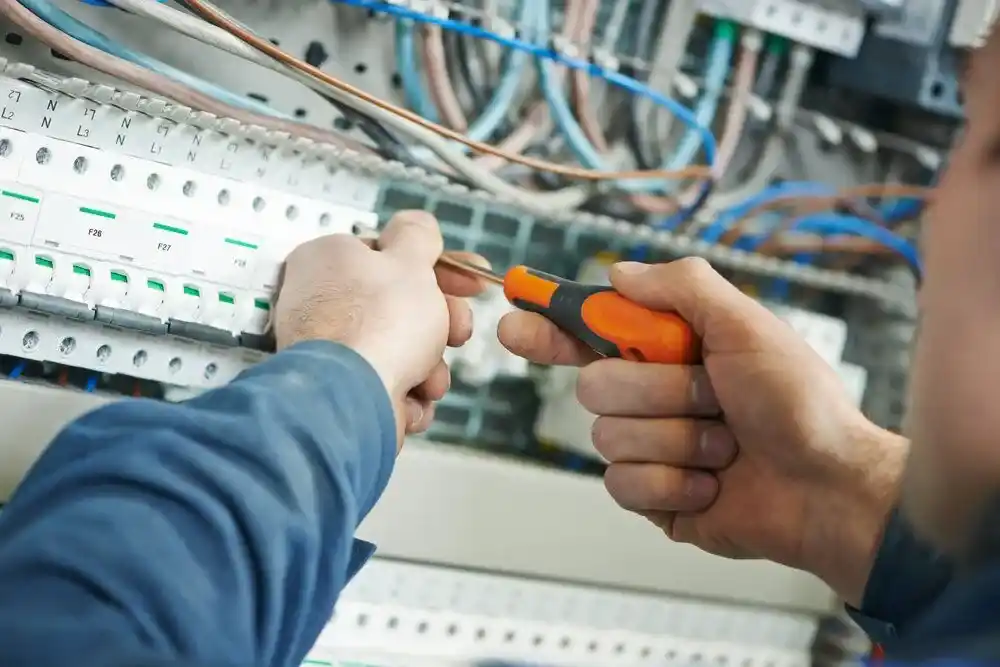
- The electrician will thoroughly examine the electrical installation, test the wiring and circuits, check the safety devices, and inspect the condition of the installation.
- Any issues identified during the inspection will be noted, and recommendations for repairs or upgrades will be made.
- The electrician will then provide a detailed report of the inspection, including any issues found and recommendations for any repairs or upgrades.
How Do I Ensure a Smooth EICR Inspection?
*£5 Parking Charges are applicable in case of paid parking.
*£18 Congestion Charge applicable in case the property is in congestion charge zone
If you have More than 8 Bedrooms you can make your booking by clicking on the button below:
Excellent
Trustpilotabout 1 month ago
Great service
Booked gas, EICR and fire safety checks. Easy online booking, good communication from office team and engineer, arrived on time, friendly service, certificates issued promptly. Great service.
about 1 month ago
Very good process and available at…
Very good process and available at short notice.
about 1 month ago
Great company.
Prompt service. Excellent inspection. Competitive price.
about 1 month ago
Excellent service from start to finish
Excellent service from start to finish. The gas safety certificate and electrical certificate were completed professionally and efficiently. The engineer was punctual, polite and knowledgeable, and explained everything clearly. The whole process was smooth and the certificates were provided promptly. I would definitely recommend this company to other landlords and will use them again.”
about 1 month ago
Great service and really good value
Great service and really good value for money! I got an appointment for the next day, and the certificate was issued on the same day as the inspection. Everything was quick, easy and hassle-free. Definitely recommend!
about 1 month ago
I had a very positive experience with…
I had a very positive experience with this company. The service was professional, friendly, and efficient from start to finish. Communication was clear, and everything was handled exactly as promised.I’m very happy with the overall experience and would definitely recommend this company to anyone looking for reliable, professional service.