




What Does an EICR C3 Mean? (EICR C3 Meaning)
EICR C3 Meaning;
An EICR (Electrical Installation Condition Report) is a document issued after an inspection of an electrical installation. It checks the property against national safety standards for electrical installations and flags any potential issues.
An electrician performing an EICR will identify any problems or ‘observations’ and code them according to their risk level using a code system based on red, amber and green traffic lights.
C3 – Improvement Recommendation (EICR C3 Meaning )
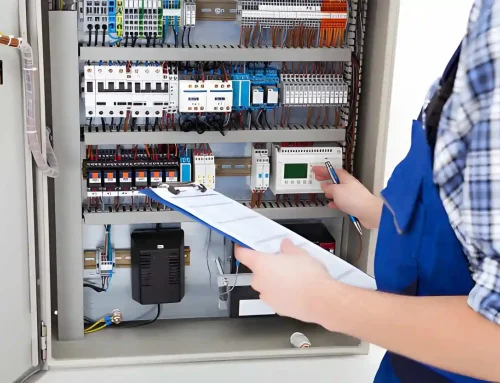
An EICR is an extensive inspection of an electrical installation performed by a certified electrician. It’s essential to guarantee your property’s electrical system remains safe for continued use and meets current safety regulations – particularly in rental properties where you may be legally liable for maintaining and caring for tenants’ electrics.
The inspector will inspect your home’s electrical wiring and conductors to confirm it meets relevant standards. Any issues will be noted on an EICR report.

“The single most expensive misunderstanding in UK property compliance is landlords confusing an advisory recommendation with a failed inspection. A Code 3 is effectively a ‘pass with recommendations’—your installation is safe, your certificate is Satisfactory, and you have completely fulfilled your legal duty of care. Yet across London, we constantly see property owners panicked by rogue contractors claiming an undamaged plastic consumer unit or absent surge protection makes their rental illegal. Wiring regulations evolve continuously with every amendment to BS 7671, but that does not retroactively make older, functional wiring hazardous. If an EICR report only contains C3 observations, landlords should treat it as a planned upgrade roadmap for their next routine refurbishment, never an emergency repair bill.”
Codes are assigned to observations during an inspection based on their potential danger level. They range from 1 (which indicates danger present) to 3 (indicating improvement recommended).
Code C1 codes indicate an immediate danger to anyone using your property’s electrical installation. This could include damage that leaves live conductors exposed or accessible, for instance. The professional conducting the inspection will recommend action to address the issue before someone gets hurt or worse.
A code C2 indicates a potential safety hazard on your electrical installation. This could include lack of reliable earthing or other issues that could worsen over time and pose shock risks. A code C3 suggests there is something on the system which needs improving but is not dangerous enough for immediate action; thus, the fix can be completed without causing harm to anyone.
When an electrician detects something on your installation that violates electrical regulations or is hazardous, they will record it as an observation under Code 3 (C3) classification code. The EICR inspector may then suggest remediation be undertaken, or additional investigation if the Code 3 indicates further work is necessary.
An Example of C3 is not bulb not woking.

Verified Real-World Examples of EICR C3 Observations
Unlike C1 or C2 defects, a C3 code does not pose a current or potential safety danger. It represents best-practice safety improvements that reflect modern 18th Edition wiring standards. Common examples found in London properties include:
- Plastic Consumer Unit in Good Condition: An older, undamaged plastic fuse box showing no signs of thermal distortion or scorching. While modern rules recommend non-combustible metal enclosures, existing plastic units in sound condition warrant only a C3 advisory.
- Absence of 30mA RCD Protection on Lighting Circuits: Domestic lighting circuits wired under earlier editions that lack RCD protection, provided cables are concealed at a depth of greater than 50mm and no special location risks exist.
- Lack of Surge Protection Devices (SPD): Consumer units that do not feature modern overvoltage surge protection to protect delicate electronic equipment.
- Missing Circuit Directories or Warning Labels: Absence of periodic inspection test date stickers, RCD quarterly test labels, or detailed circuit charts on the front of the distribution board.
- Supplementary Bonding Absent in Bathrooms: Bathrooms where main protective bonding is verified and all circuits have 30mA RCD automatic disconnection, rendering supplementary bonding an advisory recommendation rather than a fault.
- Older Colour-Coded Wiring in Safe Condition: Pre-harmonized red (live) and black (neutral) wiring that remains fully functional with sound insulation resistance, requiring only a dual-colour warning notice at the consumer unit.
In addition to coding Observations, the EICR also collects other types of data. This could include details regarding your property’s electricity supply type, any safety precautions taken and how your electrical installation was installed.
It’s essential to comprehend how an EICR report is generated so you can guarantee your installation meets current standards and is safe for continued usage. Furthermore, understanding different classification codes and their significance for electrical installations will enable you to decide what work needs doing and whether compliance with National Electrical Safety Standards has been achieved.
EICR Classification Codes Compared (C1 vs C2 vs C3 vs FI)
| EICR Code | Severity & Classification | Overall Report Outcome | Legal Landlord Requirement |
|---|---|---|---|
| Code 1 (C1) | Danger Present (Immediate risk of shock or injury) | Unsatisfactory (Fail) | Immediate action required; circuit isolated on the spot. |
| Code 2 (C2) | Potentially Dangerous (Urgent safety defect) | Unsatisfactory (Fail) | Mandatory remedial repair within 28 days by law. |
| Code 3 (C3) | Improvement Recommended (Safety upgrade / modern standard) | Satisfactory (PASS) | Advisory only; no legal obligation to repair. |
| Further Investigation (FI) | Further Investigation Needed (Hidden hazard or inaccessible) | Unsatisfactory (Fail) | Must be investigated promptly before a pass is issued. |
Frequently Asked Questions About EICR C3 Codes
Our Pricing
We provide fixed-fee electrical safety testing and upgrade services across Greater London and the M25. Whether you are letting a property, purchasing a new home, or need advice on electrical improvements, explore our full domestic and commercial services on our dedicated EICR in London booking page, or review our standard residential inspection pricing below:
| Property Size | Electrical Safety Certificate Price |
|---|---|
| Studio Apartment | £67.99 |
| 1 – 3 Bedrooms | £94.99 |
| 4 Bedrooms | £104.99 |
| 5 Bedrooms | £139.99 |
Check Out Our Other Services
About the Author: Hassan Sharif

Related Posts

Get Social
Recent Posts
- Asbestos Management Surveys for London Rental Properties: CAR 2012 Landlord Guide
- Commercial Fire Risk Assessment London: Workplace Fire Compliance & Safety Certification
- Commercial Gas Safety Certificate CP42 London: Commercial Kitchen & Catering Compliance
- Landlord Gas Safety Certificate CP12 London: Annual Inspection & Legal Compliance Guide
- Commercial EICR London: Business Electrical Testing & Workplace Compliance Guide