




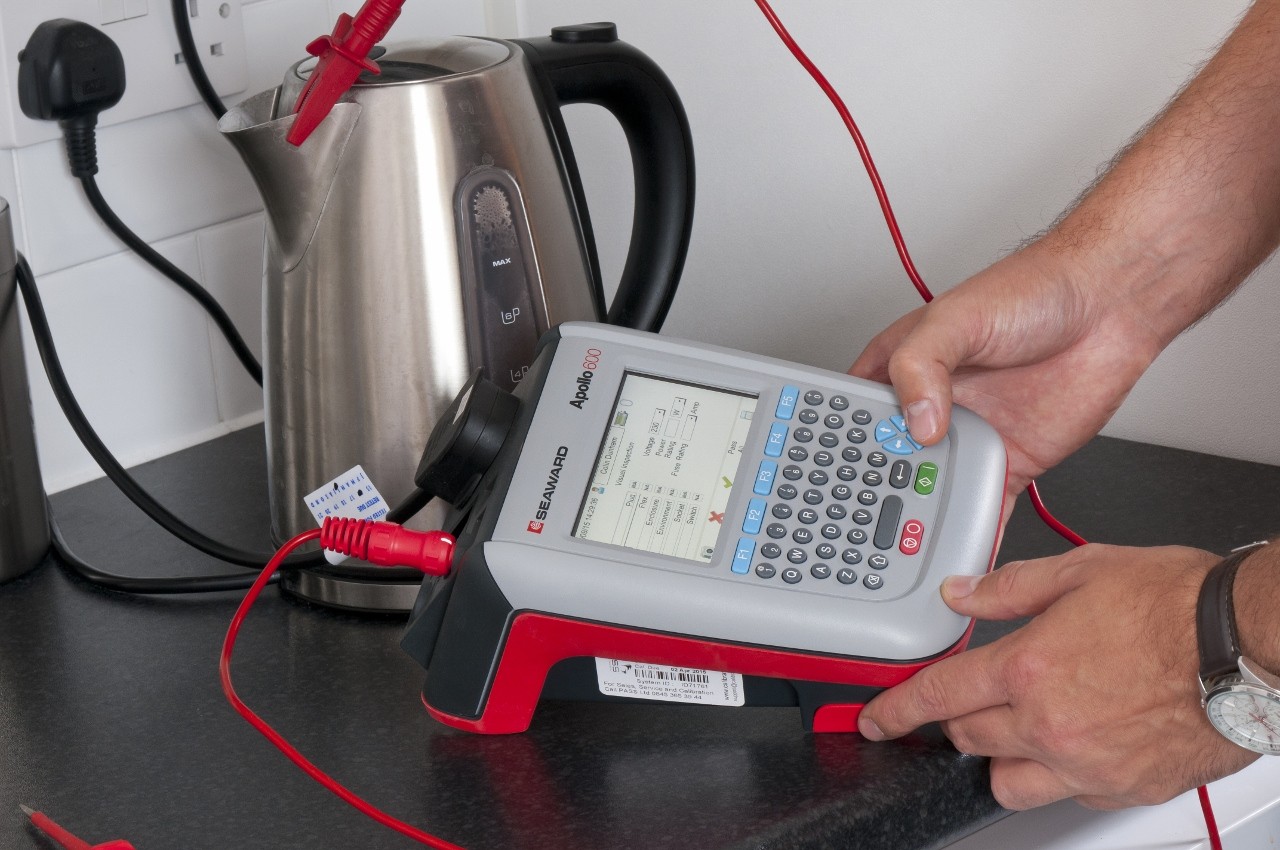
Portable Appliance Testing (PAT) is one of the most practical ways to catch electrical faults in a workplace before they cause a fire or electric shock. From office monitors and extension leads to commercial kitchen kettles and workshop tools, movable appliances take daily wear and tear that visual glances often miss.
Beyond protecting staff and visitors, routine inspection and testing support your statutory duty of care, reduce unexpected equipment breakdowns, and strengthen your fire safety procedures across the premises.
Understanding Portable Appliance Testing
As explained in Electrical Safety First PAT guidance, Portable Appliance Testing is a structured process combining a thorough visual inspection with calibrated electrical testing. A competent technician checks plugs, flexes, strain reliefs, earth continuity, and insulation resistance on movable, hand-held, IT, and plug-in stationary equipment.
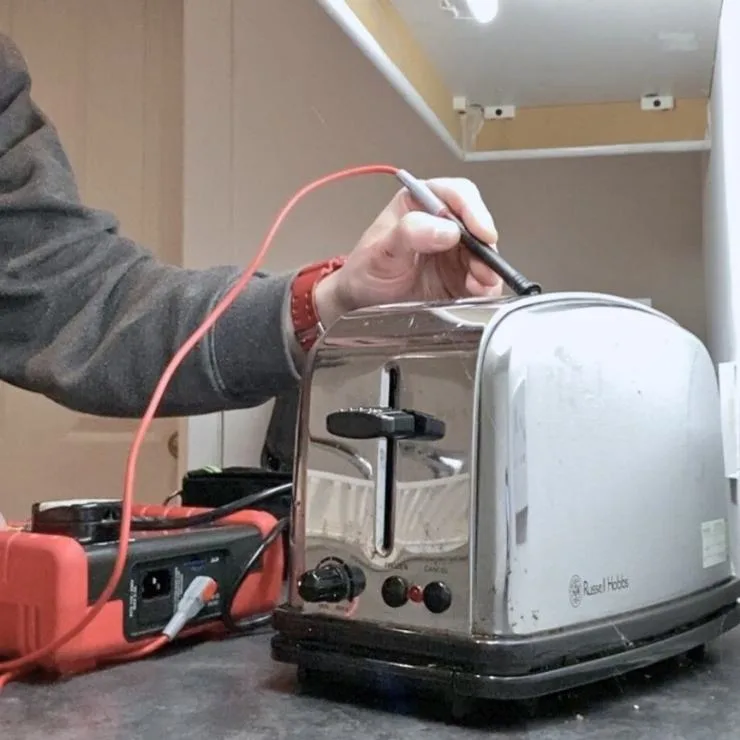

Roughly eight out of ten defects our engineers catch during London PAT testing visits are spotted during the visual inspection before a meter is even plugged in: cracked plug tops, taped-up leads, wrong fuse ratings, and daisy-chained extension blocks under desks.
Legal Compliance and Employer Safety Obligations
According to HSE PAT testing FAQs, UK law does not state a rigid statutory rule saying every single item must be PAT tested every 12 months. Instead, the Electricity at Work Regulations 1989 and the Health and Safety at Work etc. Act 1974 place a clear legal duty on employers and dutyholders to maintain all electrical equipment in a safe condition to prevent danger.
Maintaining an asset register with dated PAT results gives you clear, auditable proof that you are meeting those obligations in the event of an HSE inspection, council licensing review, or insurance claim.
How PAT Testing Prevents Workplace Hazards and Downtime
Spotting frayed cables, loose live terminals, or failing earth connections early prevents electric shocks and electrical fires before they happen. It also protects business continuity by catching worn power supplies and overheating leads before they trip circuits or take critical IT and kitchen equipment offline during busy trading hours.
Early Fault Detection
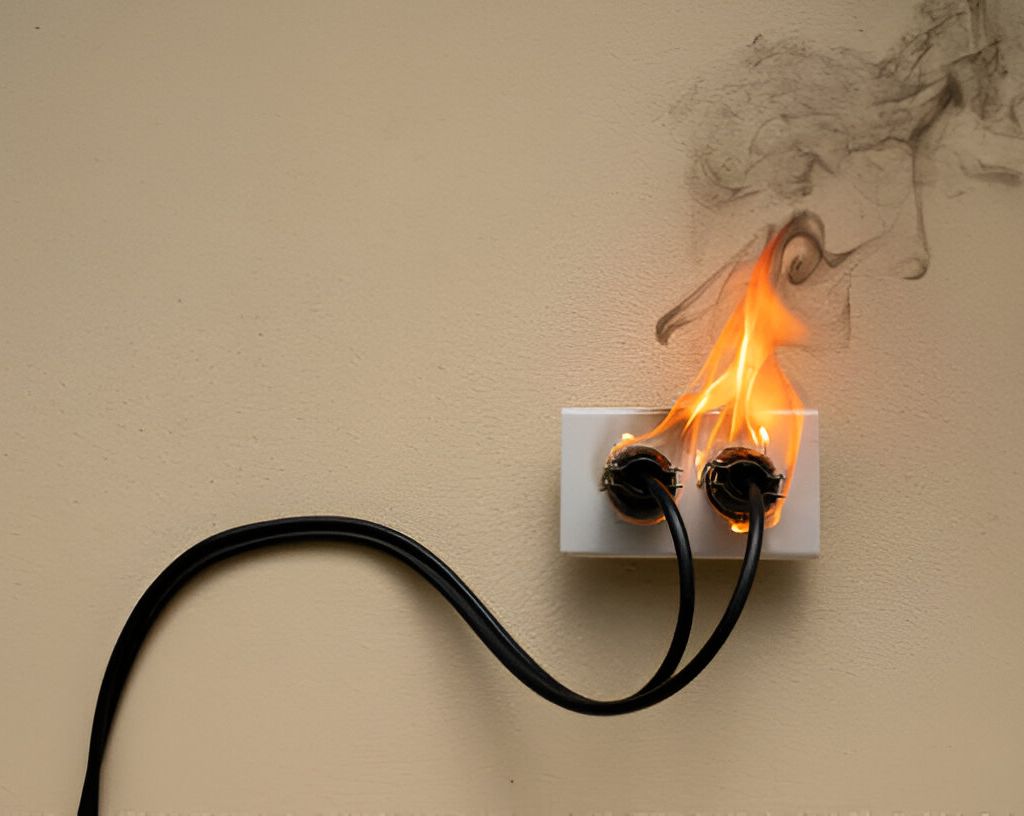
Identifies damaged flexes, incorrect fuses, and failing insulation before they cause shocks or scorched sockets.
Business Continuity
Reduces unplanned downtime by flagging failing cords and adapters before circuits trip mid-shift.
Longer Equipment Lifespan
Timely plug and lead repairs keep serviceable appliances running safely instead of forcing premature replacement.
Stronger Fire Prevention
Supports your wider Fire Risk Assessment by removing common electrical ignition sources.
Risk-Based Testing Intervals Under HSE Guidance
Under HSE INDG236 guidance, how often you inspect and test appliances depends on the equipment type and the environment where it is used.
| Workplace Environment / Equipment | Recommended Formal Visual Check | Recommended Combined Inspection & Test |
|---|---|---|
| Low-Risk Offices & Shops (IT / Desks) | Every 1 to 2 years | Every 2 to 4 years (double-insulated vs. earthed) |
| Schools, Hotels & Public Premises | Every 6 to 12 months | Every 12 months for portable and kitchen equipment |
| Commercial Kitchens & Industrial Sites | Before use / every 3 to 6 months | Every 6 to 12 months |
| Construction & 110V Site Tools | Daily / weekly user checks | Every 3 months |
Integrating PAT Testing with Fire Safety and Staff Training
Electrical faults remain one of the leading causes of workplace fires across the UK. Pairing routine PAT testing with your fixed wiring EICR inspection gives you complete visibility over both the building’s circuits and the appliances plugged into them.
Equally important is encouraging staff to carry out quick pre-use visual checks. Teaching teams to report cracked casings, scorch marks, loose plugs, and overloaded multi-way adapters immediately turns every employee into an active part of your workplace safety culture.
Frequently Asked Questions
+Who is qualified to carry out Portable Appliance Testing (PAT)?
+Does PAT testing have to be done every year in every workplace?
+How can employers encourage staff to use portable appliances safely?
+Which appliances count as portable and which are covered by an EICR?
+What faults are most commonly found during PAT testing?
Conclusion
Portable Appliance Testing is a straightforward, cost-effective safeguard that keeps workplaces compliant, reduces fire risk, and prevents avoidable equipment downtime. Combining regular visual checks with a sensible, risk-based PAT schedule protects your team, your premises, and your day-to-day operations.
Need Reliable Workplace PAT Testing in London?
Book certified engineers for fast, low-disruption PAT testing with a full digital asset register and compliance certificate.
Book Online NowCall us on 020 4518 8198 or email info@landlordcertificatelondon.co.uk
About the Author: Hassan Sharif

Related Posts
Get Social
Recent Posts
- Asbestos Management Surveys for London Rental Properties: CAR 2012 Landlord Guide
- Commercial Fire Risk Assessment London: Workplace Fire Compliance & Safety Certification
- Commercial Gas Safety Certificate CP42 London: Commercial Kitchen & Catering Compliance
- Landlord Gas Safety Certificate CP12 London: Annual Inspection & Legal Compliance Guide
- Commercial EICR London: Business Electrical Testing & Workplace Compliance Guide