




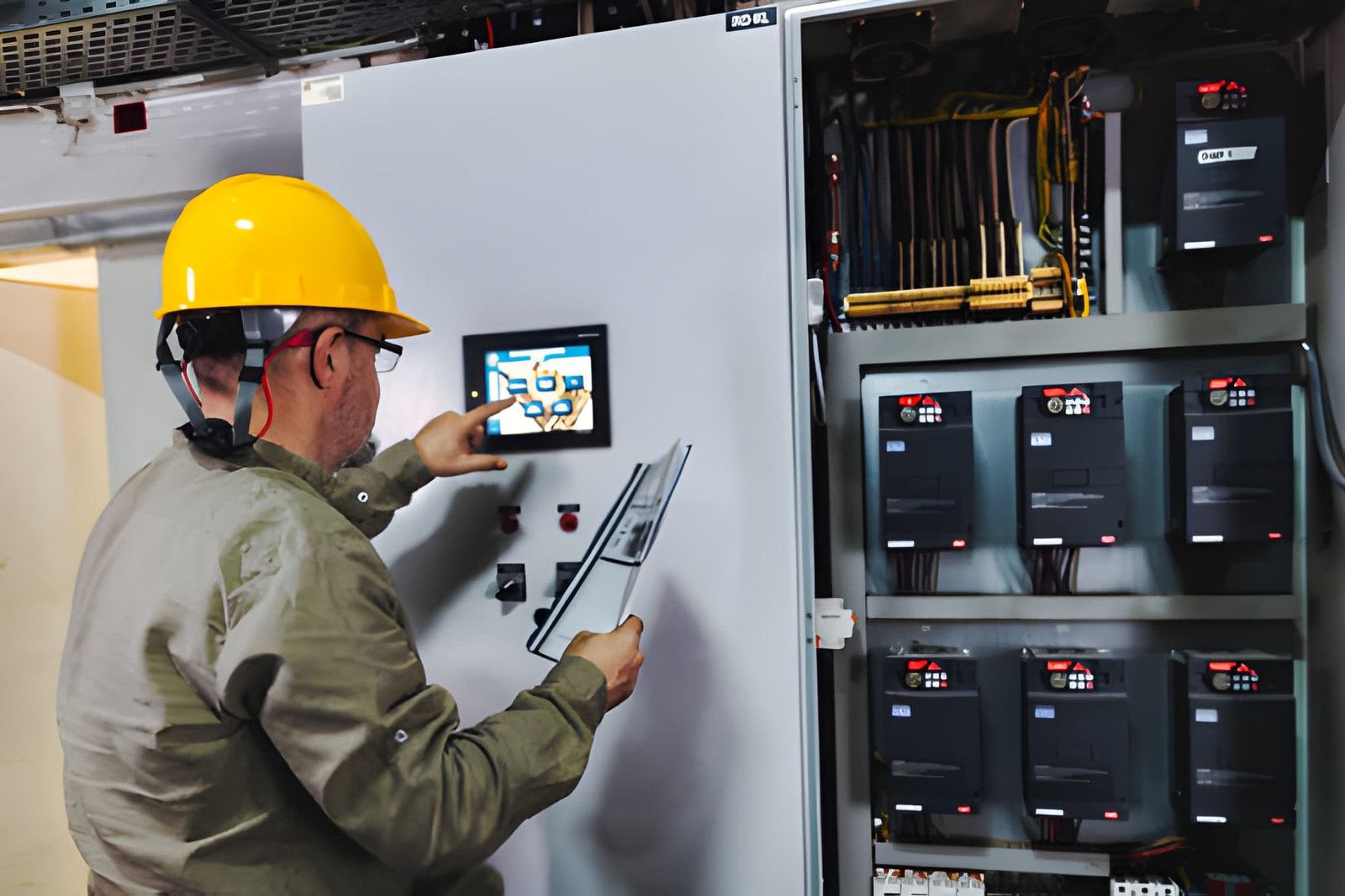
PAT Inspection involves visually inspecting and electrically testing plug-in appliances to ensure they are safe to use. During the inspection, an engineer checks cables, plugs, and connectors for physical damage before carrying out electrical tests to verify earth continuity, insulation resistance, and correct wiring.
This process is essential for electrical safety because it identifies faults before they become dangerous or lead to fire hazards. Proper inspection records and testing documentation help businesses demonstrate compliance, reduce operational risks, and avoid issues such as fines, downtime, or rejected insurance claims.
Key Takeaways
Visual Checks Identify Damage Before Equipment Use
Visual inspections help detect obvious defects such as damaged cables, broken plugs, and cracked casings before appliances are operated.
PAT Testing Verifies Safe Equipment Performance
Safe appliance use depends on accurate electrical testing that confirms proper insulation, earthing, and wiring integrity.
Early Fault Detection Reduces Equipment Failure Risks
Routine inspections help identify developing electrical problems before they lead to breakdowns or safety incidents.
Safety Labels Provide Clear Equipment Status
Labelling systems make it easy to identify whether equipment has passed inspection or requires attention.
Repairs Help Minimise Electrical Hazards
Prompt maintenance and repair work reduce the likelihood of shocks, overheating, and electrical fires.
Insulation and Earthing Tests Improve Electrical Protection
Testing confirms that appliances are properly insulated and safely connected to earth protection systems.
High-Risk Equipment Requires More Frequent Inspection
Devices used in demanding environments or exposed to heavy usage require more regular PAT testing schedules.
PAT Records Support Compliance and Insurance Requirements
Accurate documentation helps businesses demonstrate compliance with safety regulations and insurance obligations.
How Electrical Appliance Testing Works in PAT Inspection
Evaluating the physical state and electrical functioning of portable equipment, electrical appliance testing follows a methodical safety protocol. Inspection techniques evaluate visible damage, whereas electrical testing evaluates insulation resistance, earth continuity, and leakage levels to confirm operational safety.
Visual and Electrical Assessments Work Together
Qualified assessors combine detailed visual inspections with specialist electrical testing equipment to identify hidden and visible faults. Portable appliance safety improves significantly when faults are identified early through routine inspections.
PAT Inspection Supports Asset Tracking and Documentation
PAT Inspection also includes equipment labelling and safety documentation to help organisations maintain accurate asset records and inspection histories.
Safety Results Guide Maintenance Decisions
Inspection results help determine whether equipment can remain in service, requires repair, or should be removed from use. Structured testing routines improve safety management and support consistent compliance across residential and commercial environments.
What Is Tested During a PAT Inspection?
Visual Inspection Checks for Physical Damage
Engineers inspect cables, plugs, casings, and fuse connections for signs of wear, cracks, loose parts, or incorrect wiring. Visual checks alone can identify a large percentage of common electrical faults.
Earth Continuity Testing Confirms Safe Earthing
Earth continuity testing applies to Class I appliances and verifies that fault current can safely travel to the earth system if a fault occurs.
Insulation Resistance Testing Detects Hidden Leakage Risks
Insulation testing checks whether live and neutral conductors remain properly insulated from the appliance casing to reduce the risk of electric shock.
Polarity Testing Verifies Correct Wiring Connections
Polarity checks confirm that live, neutral, and earth wires are connected correctly inside plugs and internal wiring systems.
Why Regular PAT Checks Are Important for Electrical Safety
Routine PAT testing helps organisations reduce electrical risks, improve workplace safety, and maintain reliable equipment performance.
Early Fault Detection Helps Prevent Fires and Shocks
Visual and electrical inspections identify frayed cables, broken earth connections, damaged insulation, and overheating components before they become hazardous.
PAT Testing Confirms Protective Safety Systems Work Correctly
Earth continuity testing ensures fault current travels safely to earth protection systems instead of passing through users during an electrical fault.
Risk-Based Testing Improves Safety Management
High-use appliances and equipment operating in harsh environments require more frequent inspections, while low-risk devices may need testing less often.
PAT Inspection Supports Legal Compliance
The Electricity at Work Regulations 1989 require electrical systems to be maintained in a condition that prevents danger. PAT records help demonstrate compliance with these responsibilities.
Preventative Testing Reduces Operational Disruption
Identifying faulty equipment early helps avoid unexpected breakdowns, fire alarm activations, damaged systems, and costly downtime.
Inspection Records Support Insurance and Audit Requirements
Updated PAT certification and testing records are commonly requested by insurers, auditors, and regulatory authorities after electrical incidents or safety reviews.

What Electrical Faults Can PAT Inspection Detect?
PAT Inspection helps identify developing electrical problems before they become serious safety hazards or cause equipment failure.
Common Electrical Faults Identified During PAT Testing
| Fault Type | Simple Meaning | Risk Level |
|---|---|---|
| Cable wear | Damage to outer cable insulation | Medium |
| Plug damage | Broken or loose plug components | High |
| Insulation failure | Hidden deterioration of wire insulation | High |
| Overheating | Excessive heat generated during use | High |
| Loose connections | Weak or unstable internal wiring contacts | High |
Early Detection Improves Equipment Reliability
Regular inspections help find overheating, loose wires, broken insulation, and damaged parts before appliances pose a risk. Early maintenance and repair increase long-term equipment dependability and lower workplace and household safety hazards.
How PAT Inspection Helps Prevent Electrical Accidents
Electrical accident prevention depends on regular equipment monitoring and structured safety inspections across environments where portable appliances are used daily.
Routine Testing Reduces Electrical Hazards
Faulty appliances can create serious risks such as electric shock, overheating, or fire. PAT Inspection helps identify these hazards before equipment failure occurs.
PAT Testing Strengthens Workplace and Residential Safety
Consistent testing procedures improve overall safety management, reduce risk exposure, and support reliable operation of electrical systems across different environments.
Preventive Maintenance Supports Compliance and Reliability
Regular inspections improve compliance performance while helping businesses maintain safer and more dependable electrical equipment.
How to Choose a Reliable PAT Service Provider
Selecting a qualified PAT testing provider helps ensure inspections remain accurate, compliant, and professionally documented.
Request Transparent Pricing Information
Ask for clear pricing details, including per-item costs, call-out charges, and services included within the inspection package.
Ensure Both Visual and Electrical Testing Are Included
A reliable provider should complete both visual inspections and electrical testing rather than relying only on barcode scanning or labelling systems.
Ask for Detailed Digital Inspection Records
Professional PAT providers should supply digital asset registers, pass and fail results, inspection histories, and recommended future test dates.
How to Prepare Before PAT Inspection Starts
Proper preparation helps create a faster, smoother, and more organised PAT inspection process.
Ensure Equipment Is Easy to Access
Portable appliances should remain accessible so inspection staff can complete visual and electrical testing efficiently.
Organise Devices and Asset Information Clearly
Equipment lists, labels, and identification records help inspectors track appliances accurately during testing procedures.
Provide Access to Power Supplies and Documentation
Accessible power sources and organised records support accurate testing, efficient reporting, and reliable documentation during PAT Inspection.
Frequently Asked Questions
To find problems and ensure safe device operation, electrical safety inspections mix electrical testing techniques with visual inspections.
Regular testing helps find defects that aren’t obvious before the equipment becomes dangerous when used normally.
Common problems are frayed cables, loose plugs, overheating, insulation breakdown, and poor internal connections.
Frequent checks help to guarantee that equipment stays safe, functional, and in line with electrical safety regulations.
To reduce operational hazards and electrical accidents, unsafe equipment is either fixed, replaced, or taken out of use.
Conclusion
Regular inspections, scheduled maintenance, and prompt fault identification will all help to guarantee electrical safety. Regular PAT Inspection enables companies and property owners to lower electrical hazards, enhance equipment dependability, and keep healthier working conditions.
Organisations that use organised testing methods, well-defined documentation, and routine safety audits can better manage their electrical systems and uphold compliance. Professional inspection services also offer insightful advice on how to keep your appliances operating reliably and safely over the long term.
Get in touch with our staff now for professional help with electrical safety testing and PAT Inspection services.
About the Author: HarisAdmin

Related Posts

Recent Posts
- Residential EICR London: Complete Electrical Safety Inspection Guide for Landlords & Homeowners
- Property Owners and Landlords Across London
- Emergency Lighting Assessment Failure Signs: 4 Critical Indicators Your System Needs Immediate Attention
- Annual Fire Alarm Inspection Checklist and Industrial Facility Solutions Safety Plan: 5-Step Shield
- Fuse Box Installation by a Certified Fuse Box Electrician for Circuit Failures and Safety Control






Get Social