




An Electrical Installation Condition Report (EICR) is the standard UK safety check for fixed wiring, consumer units, sockets, and circuits inside a building. Knowing exactly when an EICR is legally required, and when it is simply smart preventative maintenance, helps landlords, homeowners, and business operators avoid dangerous faults and costly penalties.
Key Rules at a Glance
Rental Properties (5-Year Law)
Private and social landlords in England must have electrical installations tested at intervals of no more than 5 years.
Commercial Premises
Businesses must keep installations safe under workplace law, with periodic testing typically every 5 years (or sooner for higher-risk sites).
Owner-Occupied Homes
Not legally mandatory when living in or selling your own home, though recommended every 10 years or when buying an older property.
Urgent Re-Inspection Triggers
Flooding, fire damage, burning smells, or frequent RCD tripping require an immediate inspection regardless of the last test date.
When Does the Law Require an EICR?

Under the GOV.UK electrical safety standards guidance, landlords in England must ensure fixed electrical installations in rented homes are inspected and tested by a qualified and competent person at least every 5 years (or sooner if specified on the previous report). You must give a copy of the report to new tenants before they move in, to existing tenants within 28 days of the test, and to the local housing authority within 7 days if requested.
Commercial operators are governed by the HSE Electricity at Work Regulations 1989, which require employers and dutyholders to maintain electrical systems so they remain safe. Having a current Commercial EICR is the recognised way to demonstrate compliance to insurers, health and safety inspectors, and commercial landlords.
Who Needs an EICR and How Often?
Different property types follow different inspection schedules depending on occupancy, building use, and environmental wear. As outlined in Electrical Safety First landlord advice, sticking to the right interval prevents hidden deterioration from turning into an electrical fire.
| Property / Occupier Type | Recommended / Legal Interval | Notes |
|---|---|---|
| Private & Social Rented Homes | Every 5 years (maximum) | Legally mandatory in England; remedial work must be completed within 28 days. |
| Owner-Occupied Homes | Every 10 years (advisory) | Recommended when buying a home or if the wiring has not been checked in over a decade. |
| Offices, Shops & Cafes | Every 5 years | Standard commercial interval, often stipulated as a condition of building insurance. |
| Industrial / High-Risk Sites | Every 1 to 3 years | Factories, workshops, and wet environments face heavier wear and need shorter intervals. |
Is an EICR Needed When Selling, Buying, or Renovating?

Homeowners selling a property are not legally obliged to provide an EICR, though buyers and their surveyors increasingly ask for one during conveyancing to avoid unexpected rewiring costs. If you are carrying out a full rewire, loft conversion, or new consumer unit installation, your electrician should issue an Electrical Installation Certificate (EIC) under Part P of the Building Regulations rather than an EICR.
However, if you have bought an older home with no recent paperwork, or carried out smaller alterations without full circuit records, booking an independent EICR gives you a clear baseline report on the safety of the entire installation.
How Much Does an EICR Cost in London?
Landlord Certificate London keeps EICR pricing transparent and fixed by property size or consumer unit count, with no hidden mark-ups. Where free parking is unavailable at the property, a £5 parking fee applies, and visits inside the London Congestion Charge zone carry an £18 surcharge.
| Property / Unit Tier | Live LCL Price | Scope Covered |
|---|---|---|
| Studio Apartment (Residential) | £67.99 | Full fixed-wiring inspection, RCD testing, and official digital EICR certificate. |
| 1 to 3 Bedrooms (Residential) | £94.99 | Complete circuit testing for flats and terraced homes up to 3 bedrooms. |
| 4 Bedrooms (Residential) | £104.99 | Full domestic EICR covering larger family homes and multi-floor layouts. |
| 5 Bedrooms / HMO | £139.99 | Detailed inspection tailored for larger shared houses and HMO licensing compliance. |
| 6 Bedrooms (Residential) | £149.99 | Comprehensive testing for six-bedroom residential properties. |
| Commercial (1 Consumer Unit / up to 12 circuits) | £149.99 | Fixed-price commercial testing (12 to 36 circuits available at £249.99). |
Common Reasons You May Need an EICR Sooner
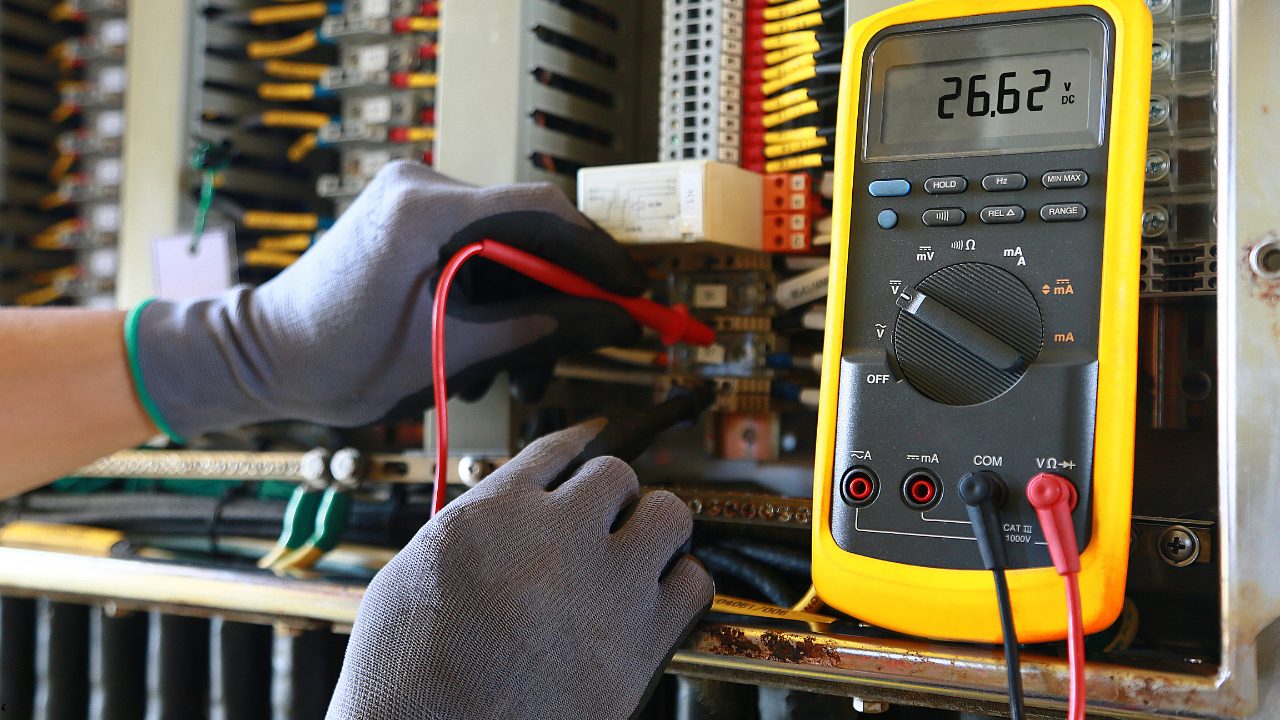
Even when your five-year certificate is still in date, certain events require an immediate check. Water leaks or flooding near sockets and consumer units, scorch marks on faceplates, persistent circuit breaker tripping, or damage following a minor electrical fire should all be investigated promptly by a registered electrician.

“One mix-up we see every week across London is landlords assuming a brand-new consumer unit certificate covers the whole house for five years. In practice, a consumer unit EIC only certifies the new board itself; local councils still expect a full EICR to prove the existing socket and lighting circuits throughout the property are safe.”
Frequently Asked Questions
+ Can I carry out an EICR myself, or do I need a qualified electrician?
+ What qualifications should I look for in an EICR provider?
+ How long does an EICR inspection usually take?
+ What happens if my rental property receives an Unsatisfactory EICR?
+ Do I need a new EICR every time a new tenant moves in?
Other Landlord Compliance Services
Gas Safety (CP12)
Annual Gas Safe registered inspections for boilers, pipework, and flues.
Commercial Gas (CP42)
Annual commercial gas safety certificates for restaurants, kitchens, and offices.
Fire Risk Assessment
Compliant fire safety evaluations for HMOs, blocks of flats, and workplaces.
Fire Alarm Testing
BS 5839 smoke and heat detector testing starting from £55.
PAT Testing
Portable appliance safety testing for furnished rentals and offices.
Asbestos Survey
Management and refurbishment surveys for pre-2000 residential and commercial buildings.
Need an EICR Certificate in London?
Book online in minutes or speak with our team on 020 4518 8198 or info@landlordcertificatelondon.co.uk.
Book Your EICR TodayAbout the Author: Hassan Sharif

Related Posts

Get Social
Recent Posts
- Asbestos Management Surveys for London Rental Properties: CAR 2012 Landlord Guide
- Commercial Fire Risk Assessment London: Workplace Fire Compliance & Safety Certification
- Commercial Gas Safety Certificate CP42 London: Commercial Kitchen & Catering Compliance
- Landlord Gas Safety Certificate CP12 London: Annual Inspection & Legal Compliance Guide
- Commercial EICR London: Business Electrical Testing & Workplace Compliance Guide