



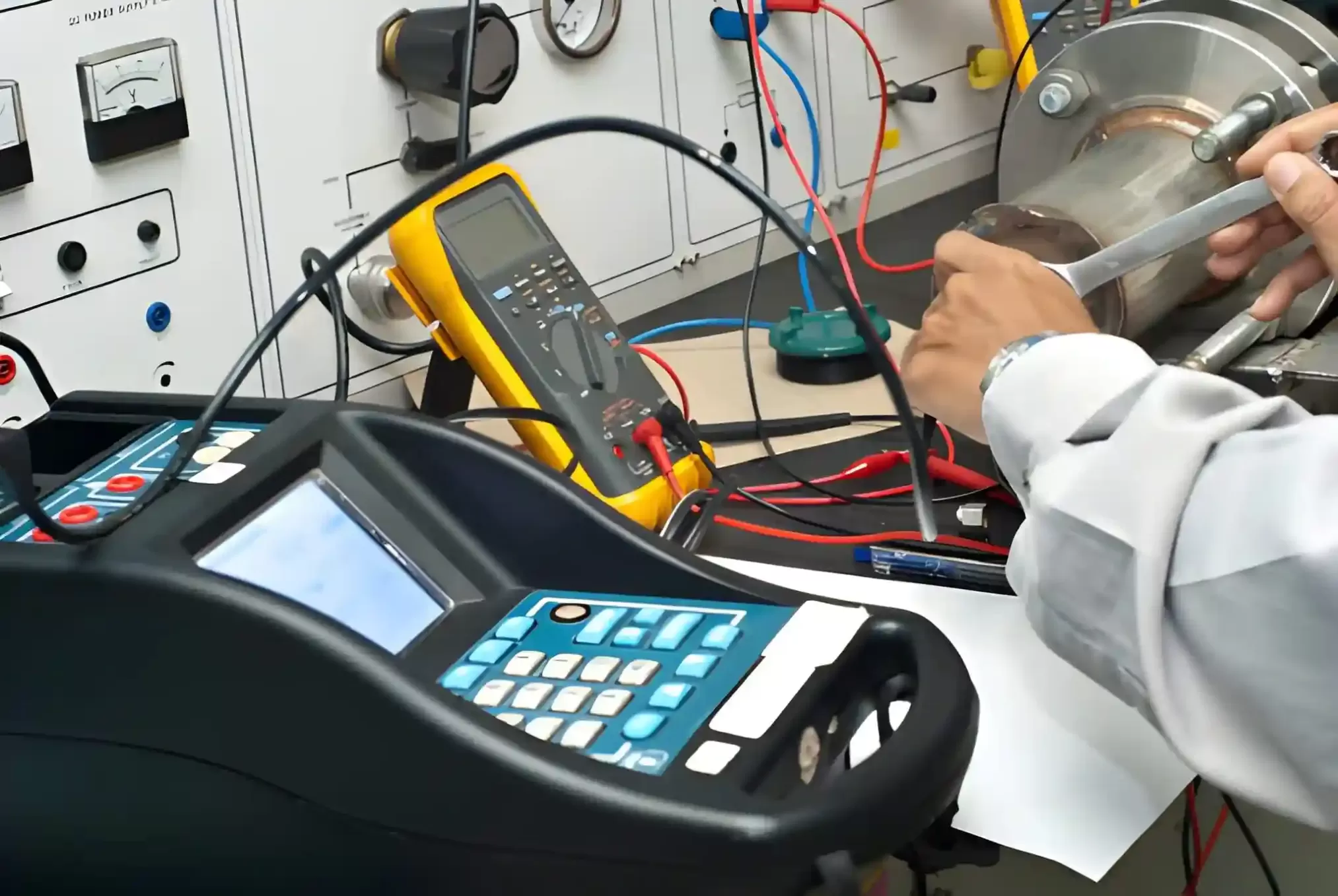
Budgeting for Portable Appliance Testing (PAT) is straightforward once you know how providers structure their callout fees and per-item rates. Whether you manage a furnished rental flat in London or run a busy office, understanding what drives the bill helps you stay compliant without overpaying for unnecessary tests.

In the UK, most small businesses and landlords pay a modest minimum callout fee for the first batch of appliances, followed by a low per-item rate (often £1 to £3 per extra item) when testing larger inventories. Larger commercial sites benefit from bulk pricing that brings the unit cost down considerably.
How Much Does PAT Testing Cost in London?
At Landlord Certificate London, Portable Appliance Testing starts from £59.99, giving landlords and small offices an affordable, transparent entry point with digital certification and pass/fail labelling included. Where free parking is unavailable at the property, a £5 parking fee applies, and visits inside the London Congestion Charge zone carry an £18 surcharge.
| Booking Type | Typical Cost Guide | What Shapes the Final Quote |
|---|---|---|
| Standard LCL Callout | Starting from £59.99 | Covers engineer visit, visual and electrical testing, pass/fail labels, and digital asset log. |
| Small Offices & Furnished Lets | £59.99 to £150 | Depends on total appliance count (kettles, microwaves, fridges, monitors, extension leads). |
| Large Commercial Inventories | Reduced per-item rate (typically £1 to £3 per extra item) | Volume discounts apply when dozens or hundreds of IT, workshop, or hospitality items are tested together. |
What Factors Affect Your PAT Testing Quote?
No two buildings have the exact same mix of plug-in equipment, so quotes vary based on how much time and specialist testing the visit requires.
Number of Appliances
More items take longer to unplug, inspect, and log, though higher quantities unlock lower per-item rates.
Equipment Type & Class
Earthed Class I white goods and heavy workshop tools require earth continuity and insulation tests, whereas Class III low-voltage chargers need visual checks.
Site Access & Spread
Testing 30 items in one open-plan office is quicker than tracking appliances across multiple floors or locked HMO rooms.
Bundled Safety Visits
Scheduling PAT testing alongside your EICR, Gas Safety (CP12), or Emergency Lighting test saves repeat callout charges.
What UK Law Actually Requires for PAT Testing
A common misconception is that UK law forces every office or landlord to pay for annual PAT testing on every plug-in item. In reality, as explained in the HSE Portable Appliance Testing FAQs, the Electricity at Work Regulations 1989 require electrical equipment to be maintained in a safe condition, without prescribing a blanket annual test for everything.
For low-risk spaces such as standard offices, HSE guidance on maintaining portable electric equipment in low-risk environments (INDG236) notes that regular user checks and visual inspections are often sufficient, reserving formal electrical testing for higher-risk tools, commercial kitchens, or rental properties where appliances change hands frequently.

“Clients often tell us they were quoted for dozens of unnecessary tests on phone chargers and brand-new monitors. When you list out your appliances clearly before booking and bundle PAT with your five-year EICR or annual CP12 visit, you stay properly documented for insurers and councils without wasting budget.”
How to Reduce PAT Testing Costs Without Cutting Corners
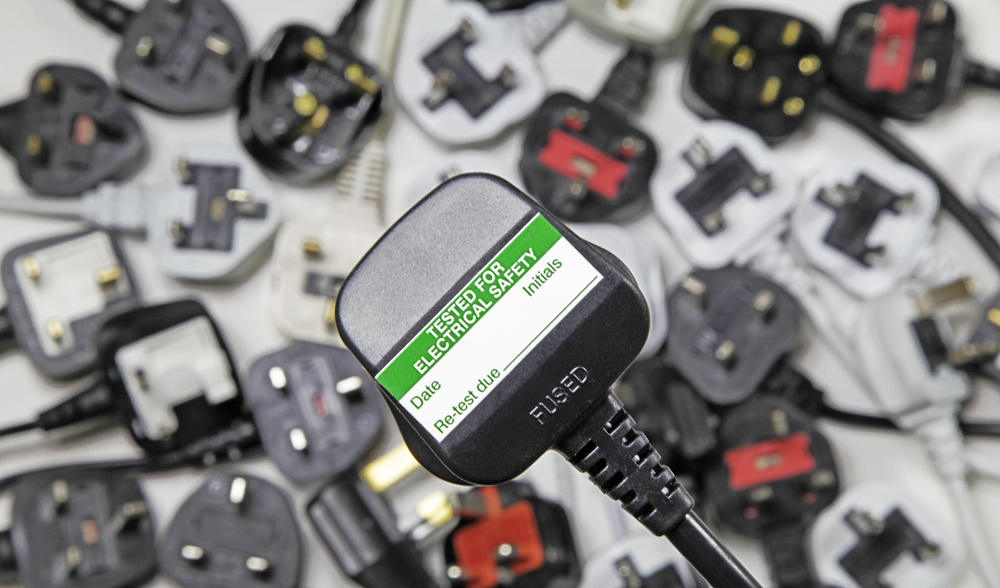
As highlighted in Electrical Safety First’s PAT testing guide, a thorough visual inspection catches damaged plugs and frayed flexes before a meter is even plugged in. Combining smart preparation with risk-based scheduling keeps your annual spend predictable.
Prepare an Asset List
Count your landlord-supplied or workplace items in advance so you get an accurate fixed quote with no surprises on the day.
Clear Access to Leads
Pull fridges, desks, and server racks out slightly if needed so the engineer can test efficiently instead of spending billable time moving furniture.
Bundle Compliance Checks
Combine PAT testing with your EICR, Emergency Lighting, or Fire Alarm visit to avoid paying separate callout fees.
Frequently Asked Questions
+ What qualifications should a PAT tester hold?
+ Can I carry out basic visual checks myself instead of paying for a full test?
+ How can businesses prepare before the PAT engineer arrives?
+ Which appliances should be included in a PAT test?
+ Are there legal consequences if electrical appliances are not maintained?
Other Landlord Compliance Services
Residential EICR
Five-year fixed-wiring electrical safety reports for London flats and houses.
Commercial EICR
Circuit-tested electrical safety reports for offices, shops, and commercial units.
Emergency Lighting
BS 5266 emergency lighting testing and certification from £55.
Electrical Diagnostic
Targeted fault-finding for tripping breakers and faulty circuits from £89.99.
Fire Risk Assessment
Compliant fire safety evaluations for HMOs, blocks of flats, and workplaces.
Gas Safety (CP12)
Annual Gas Safe registered inspections for boilers, pipework, and flues.
Book Your PAT Testing in London Today
Arrange your appointment online or speak with our team on 020 4518 8198 or info@landlordcertificatelondon.co.uk.
About the Author: Hassan Sharif

Related Posts
Get Social
Recent Posts
- Asbestos Management Surveys for London Rental Properties: CAR 2012 Landlord Guide
- Commercial Fire Risk Assessment London: Workplace Fire Compliance & Safety Certification
- Commercial Gas Safety Certificate CP42 London: Commercial Kitchen & Catering Compliance
- Landlord Gas Safety Certificate CP12 London: Annual Inspection & Legal Compliance Guide
- Commercial EICR London: Business Electrical Testing & Workplace Compliance Guide