




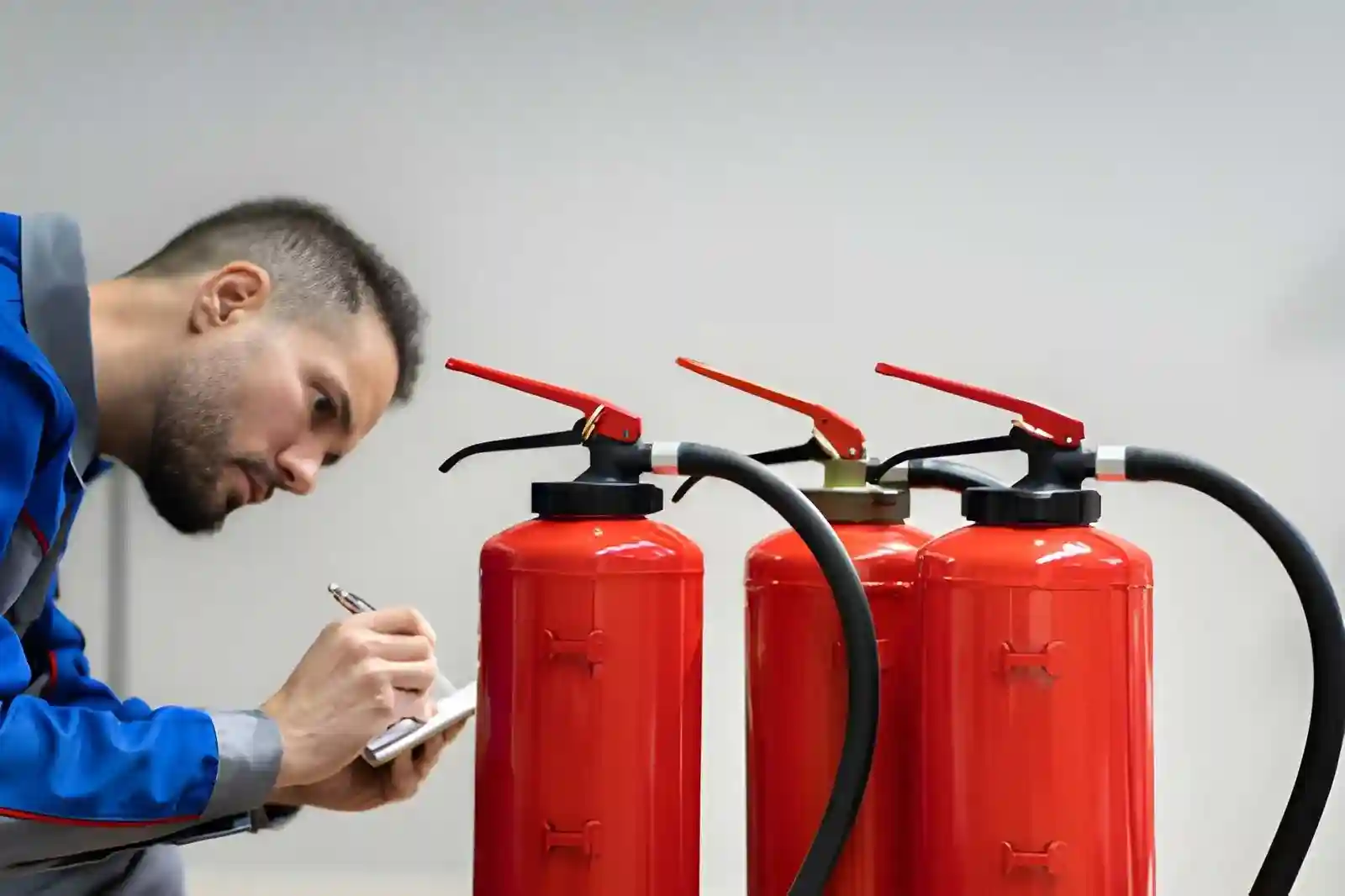
Fire safety is one of those landlord jobs that should never be left until something goes wrong. Alarms need to work, escape routes need to stay clear, and the right checks need to be completed for the type of property you manage. A practical landlord fire safety checklist helps you stay on top of this without making the process harder than it needs to be.
For landlords in London, the exact duties can vary between a single-let home, an HMO, a block of flats and a mixed-use building. There is no single certificate that replaces every fire safety duty. What matters is knowing which rules apply to your property and keeping clear records of the checks and work you complete.
Why Every Rental Needs a Fire Safety Routine
A landlord fire safety checklist is useful because fire safety is not a one-off job. A property can be safe when a tenancy starts and develop new risks later. A damaged alarm, a blocked hallway, a faulty door closer or a change to the layout can all affect safety.
In England, relevant landlords must provide at least one smoke alarm on each storey where there is a room used as living accommodation. Carbon monoxide alarms are also required in rooms used as living accommodation where there is a fixed combustion appliance, except a gas cooker. Landlords must repair or replace required alarms after being told they are faulty and finding a fault. You can read the official GOV.UK smoke and carbon monoxide alarm guidance for the detailed rules.
Buildings with shared residential areas can have wider duties. The Fire Safety Order applies to common parts of buildings containing two or more domestic premises and also covers areas such as the structure, external walls and flat entrance doors that fall within its scope.
Landlord Fire Safety Checklist: 8 Things to Check
1. Test Smoke and Carbon Monoxide Alarms
Test required alarms before a new tenancy begins and keep a simple record. If a tenant reports a fault, arrange a check quickly.
If you are unsure what type of alarm setup your property needs, a professional fire alarm installation and inspection service can help you check the system properly.
2. Keep Escape Routes Clear
Hallways, stairs and exits should not be used for storing bikes, boxes, furniture or rubbish. Check escape routes during routine property visits and remove anything that could slow people down in an emergency.
This matters even more in HMOs and blocks of flats where several occupants may need to use the same route.
3. Check Fire Doors
Fire doors need to be in good condition and able to close properly. Look for damage, faulty closers, large gaps and anything stopping the door from shutting.
HMOs and blocks of flats often need closer attention because fire doors form part of the building’s wider fire protection. If you are concerned about the condition of a door, consider arranging a professional fire door inspection and certification service.
4. Review the Fire Risk Assessment
Where the Fire Safety Order applies, the responsible person needs a suitable and sufficient fire risk assessment and must keep fire safety arrangements under review.
A professional Fire Risk Assessment service can pick up hazards that may be missed during an ordinary landlord inspection.
For landlords managing blocks of flats, the GOV.UK guidance for fire safety in purpose-built blocks of flats is also a useful external resource.
5. Check Emergency Lighting Where Needed
Shared corridors, stairwells and escape routes may need emergency lighting depending on the building and its fire risk assessment.
The system needs to work when normal lighting fails. Regular emergency light testing can help identify failed fittings, batteries or other problems before they become an issue during an emergency.
6. Look for Electrical Fire Risks
Damaged sockets, loose wiring, overloaded extension leads and faulty appliances can increase fire risk.
Deal with visible problems promptly and keep required electrical safety checks up to date. Electrical safety and fire safety are separate areas of compliance, but poor electrical condition can still create a serious ignition risk.
7. Give Tenants Clear Fire Safety Information
Do not assume every tenant knows what to do during a fire.
Explain the main escape route and any building-specific fire procedure. In a block of flats, follow the emergency strategy set for that building rather than giving generic advice that may not suit the property.
Simple information provided at the beginning of a tenancy can prevent confusion later.
8. Keep Your Records
Save inspection reports, alarm checks, maintenance invoices, fire door work and actions completed after a risk assessment.
Good records make it easier to see what has already been done and what still needs attention. They are also useful if a managing agent, insurer or enforcement authority asks for evidence of your fire safety arrangements.
Working through this landlord fire safety checklist at the start of a tenancy and during routine inspections can help you catch small problems before they become bigger ones.
Does Every Landlord Need a Fire Safety Certificate?
Not in exactly the same way for every property.
The term “fire safety certificate” is often used for inspection or compliance documents, but UK fire safety duties depend on the type and use of the building. Fire safety law focuses on relevant precautions, risk assessment, alarm requirements and ongoing management rather than one universal certificate that covers every rented home.
A standard single-let property has alarm and general housing safety duties. An HMO can have additional licence conditions and fire precautions. A block of flats with common parts can also fall within the Fire Safety Order.
This is why landlords should not treat one document as proof that every fire safety requirement has automatically been covered.
If you want your alarms and related fire safety systems professionally checked, Landlord Certificate London offers a dedicated Fire Safety Certificate service. Properties with communal areas or more complex risks may also need a separate fire risk assessment.
When Should You Use the Landlord Fire Safety Checklist?
Use the landlord fire safety checklist before a new tenancy, during routine inspections and after any change that could affect fire safety.
This includes building work, layout changes, new occupants, a reported alarm fault, damage to a fire door or changes in how shared spaces are being used.
You should also review your arrangements after an incident or near miss. The aim is not just to collect paperwork. It is to make sure the precautions inside the property still match the actual risks.
Common Fire Safety Mistakes Landlords Can Avoid
A good landlord fire safety checklist helps prevent simple but serious problems.
Common examples include ignoring alarm faults, leaving fire doors propped open, storing items in escape routes and assuming an old inspection still covers the property today.
Another common mistake is using the same fire safety setup for every rental property. A small single-let flat, an HMO and a multi-storey block can have very different needs.
When the building is more complex, getting competent professional advice is safer than guessing.
Making Fire Safety Easier to Manage
The purpose of a landlord fire safety checklist is not to add more paperwork to your workload. It gives you a simple routine to follow so that important checks do not get forgotten between tenancies.
Start with alarms and escape routes. Check doors and shared areas. Review existing reports. Then deal with any faults instead of leaving them for the next inspection.
Keeping the process simple usually makes it easier to stay consistent.
Need Help With Fire Safety Checks in London?
Landlord Certificate London provides fire safety inspections, fire risk assessments, fire alarm services, fire door checks and emergency lighting testing for landlords and property managers across London.
Using a landlord fire safety checklist is a good starting point, but it should sit alongside the legal requirements that apply to your particular building.
Regular checks, clear records and quick repairs make it easier to protect tenants and manage your rental property responsibly.
About the Author: LandlordCertificate

Related Posts
Recent Posts
- Residential EICR London: Complete Electrical Safety Inspection Guide for Landlords & Homeowners
- Property Owners and Landlords Across London
- Emergency Lighting Assessment Failure Signs: 4 Critical Indicators Your System Needs Immediate Attention
- Annual Fire Alarm Inspection Checklist and Industrial Facility Solutions Safety Plan: 5-Step Shield
- Fuse Box Installation by a Certified Fuse Box Electrician for Circuit Failures and Safety Control




Get Social