




An EPC Certificate London provides important information about the energy efficiency of a residential or commercial property. Whether you are a landlord preparing to let a flat, a homeowner selling a house, or a business owner dealing with commercial premises, an Energy Performance Certificate can be an essential part of the property process.
An EPC gives a property an energy efficiency rating and provides recommendations that may help improve its performance. The assessment considers features such as heating, insulation, glazing and lighting, depending on the type of building being assessed.
In many circumstances, an EPC must be available when a property is built, sold or rented. Domestic and commercial properties are not assessed in exactly the same way, and different rules can apply.
Landlords who need an assessment can learn more about our Energy Performance Certificate service, while business owners can view our dedicated Commercial EPC service.
Key Takeaways
- An EPC rates the energy efficiency of a property.
- EPC ratings generally run from A for higher efficiency to G for lower efficiency.
- A certificate is commonly required when qualifying properties are sold or rented.
- EPC assessments must be completed by an accredited energy assessor.
- Domestic and commercial EPC assessments have different requirements.
- An EPC is normally valid for 10 years.
- Landlords must also consider Minimum Energy Efficiency Standards where applicable.
What an EPC Certificate Means for Property Energy Ratings
An EPC Certificate London gives owners, landlords, buyers and tenants a standardised way to understand a building’s energy performance.
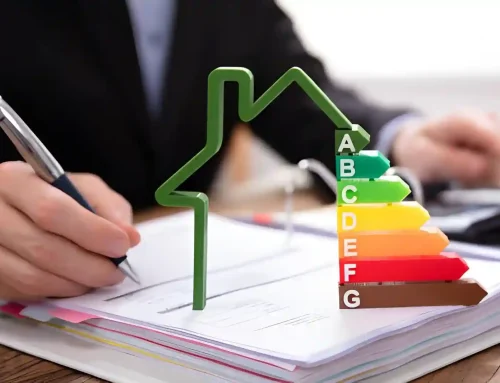
For domestic properties, the certificate provides an energy efficiency rating from A to G, with A representing a more energy-efficient property and G representing a less efficient one. The document also contains information about the property’s energy-related features and recommendations for possible improvements.
The EPC should not be interpreted as a guarantee of an occupant’s actual energy bill. Real energy consumption depends partly on how people heat, light and use the building. Instead, the assessment provides a standard method of comparing the expected energy performance of properties.
For landlords, the rating can also be particularly important because privately rented properties may be subject to Minimum Energy Efficiency Standards.
How the Energy Performance Assessment Works
To produce an EPC Certificate London, an accredited energy assessor visits the property and gathers information about the building and its energy-related features.
For a domestic assessment, the assessor may examine the property’s construction, insulation, heating system, hot-water arrangements, windows and glazing, lighting and other relevant features. The information is then entered into approved assessment software to calculate the property’s rating.
A commercial assessment follows a different methodology and can be more detailed because commercial buildings vary significantly in their size, layout, heating, ventilation, cooling and lighting arrangements.
Property owners can make the visit easier by ensuring that the assessor can access the necessary areas of the building. Where relevant documents are available—for example, information about insulation or heating improvements—it can also be useful to have them ready.
Once the assessment has been completed, the certificate is lodged on the official register and can be accessed electronically.
Property owners can use the government’s Find an Energy Certificate service to search for existing certificates.
Legal Requirements for Residential EPCs
An EPC Certificate London may be legally required when a qualifying residential property is built, sold or rented.
If you are selling or letting a property that requires an EPC, you should arrange the certificate before marketing the property. Prospective buyers or tenants should be able to see the relevant energy performance information.
Private landlords also need to consider Minimum Energy Efficiency Standards, commonly known as MEES.
At present, domestic private rented properties covered by the regulations generally need an EPC rating of E or above unless a valid exemption applies. Landlords should not rely on old articles suggesting that a higher rating has already replaced the current legal minimum.
Energy efficiency policy continues to develop, so landlords planning long-term improvements should monitor official government guidance rather than relying on outdated information.
You can read the current rules in the government’s Minimum Energy Efficiency Standard landlord guidance.
Landlords should also remember that an EPC is only one aspect of property compliance. Depending on the tenancy and property, other responsibilities may include an EICR and a Gas Safety Certificate.
EPC Requirements for Commercial Properties
Commercial buildings require separate consideration because non-domestic EPC assessments and regulations differ from those applying to homes.
A valid EPC is generally required when qualifying business premises are constructed, sold or rented. The assessment must be carried out by a suitably qualified non-domestic energy assessor.
The complexity of a commercial EPC assessment depends on the building. A small retail unit may be relatively straightforward, while a large office, restaurant, warehouse or mixed-use property can involve more complex heating, cooling, ventilation and lighting systems.
Current Minimum Energy Efficiency Standards also affect privately rented non-domestic properties. Covered properties generally need to meet the applicable minimum EPC E standard unless an exemption applies.
For official information, see the government’s guidance on Energy Performance Certificates for business premises.
For an assessment in the capital, our Commercial EPC London service provides information specifically for non-domestic properties.
Steps Involved in Getting an EPC
Obtaining an EPC Certificate London is usually a straightforward process when the property is prepared for the assessment.
The main steps are:
- Arrange an appointment with an appropriately accredited energy assessor.
- Confirm the type and size of the property.
- Provide access to the areas the assessor needs to inspect.
- Have useful evidence of energy improvements available where appropriate.
- Allow the assessor to record the necessary property information.
- The assessment data is processed using the appropriate approved methodology.
- The resulting EPC is lodged on the official register.
- Review the rating and recommendations after receiving the certificate.
Why an Accredited Energy Assessor Matters
An EPC cannot simply be created by a landlord, estate agent or property manager.
The assessment needs to be completed by an accredited energy assessor with the appropriate qualification for the type of property involved.
Domestic Energy Assessors deal with homes, while commercial EPCs require suitably qualified non-domestic assessors. Commercial buildings can vary in complexity, so the assessor needs to be qualified for the relevant building level.
During the visit, the assessor gathers evidence rather than simply estimating a score based on how modern the property looks. Construction, insulation, heating, glazing and other building features can all influence the calculation.
Using a properly accredited assessor also ensures the certificate can be lodged on the official Energy Performance of Buildings Register.
How Long Is an EPC Valid?
An EPC Certificate London is normally valid for 10 years from the date it is issued. An existing EPC does not automatically update when improvements are made.
If a landlord or homeowner carries out substantial efficiency improvements, they may choose to arrange another assessment so the certificate reflects the property’s newer condition and potentially improved rating.
It is also important to distinguish EPC validity from MEES compliance. A certificate can still be within its 10-year validity period while the landlord separately needs to consider whether the property’s rating satisfies the minimum standard that applies to the tenancy.
What Information Is Included in an EPC?
An EPC Certificate London contains more than a single letter rating.
Depending on the type of property, the report provides information about current energy performance and relevant building features. A domestic EPC may include details relating to walls, roofing, windows, heating, hot water, lighting and other energy-related characteristics.
Recommendations should be treated as guidance rather than an instruction to install everything on the list immediately. Cost, suitability, planning requirements, building construction and the owner’s priorities should all be considered before work begins.
The EPC also records information such as the property address, certificate reference details, assessment date and validity period.
Improving Your EPC Rating
If a property receives a lower rating than expected, the recommendations included with the certificate are a useful place to begin.
Depending on the building, potential improvements might involve insulation, heating controls, more efficient heating systems, improved glazing or energy-efficient lighting.
Not every improvement is suitable for every building. Older and traditionally constructed properties can require particular care because inappropriate insulation or ventilation changes may cause unintended problems.
Owners should therefore prioritise improvements according to the condition and construction of the building, expected energy benefits and the cost of the work.
Landlords should pay particular attention where a property is close to or below the minimum rating required under MEES. Where a property cannot reasonably achieve the required standard, specific exemptions may be available, but those exemptions have rules and generally need to be registered correctly.
Frequently Asked Questions
Where an EPC is legally required, landlords generally need to have the certificate available before marketing the property for rent. Separate MEES requirements may also apply to privately rented properties.
An EPC is normally valid for 10 years. You can check an existing certificate and its expiry information through the official government register.
The assessment must be completed by an accredited energy assessor who is appropriately qualified for the type of property being assessed.
No. Domestic and non-domestic properties use different assessment methodologies, and different requirements can apply. Commercial property owners should use an appropriately qualified non-domestic energy assessor.
Covered domestic private rented properties currently generally need an EPC rating of E or above unless a valid exemption applies. Non-domestic private rented properties also have separate MEES requirements. Always check current government guidance because energy-efficiency regulations can change.
Conclusion
Obtaining an EPC Certificate London is an important part of selling, renting and managing many residential and commercial properties. It provides a recognised energy efficiency rating, helps buyers and tenants understand the building’s performance and identifies practical areas that may be worth improving.
If you need an assessment for a house or flat, visit our Energy Performance Certificate London service. For offices, shops, restaurants and other business premises, see our Commercial EPC London service.
About the Author: LandlordCertificate

Related Posts


Get Social
Recent Posts
- Residential EICR London: Complete Electrical Safety Inspection Guide for Landlords & Homeowners
- Property Owners and Landlords Across London
- Emergency Lighting Assessment Failure Signs: 4 Critical Indicators Your System Needs Immediate Attention
- Annual Fire Alarm Inspection Checklist and Industrial Facility Solutions Safety Plan: 5-Step Shield
- Fuse Box Installation by a Certified Fuse Box Electrician for Circuit Failures and Safety Control