





Landlords should understand EPC requirements because they affect whether a property can be legally rented. Energy efficiency rules are becoming more important as the UK works toward lower energy use and cleaner homes.
Rental properties are now facing closer checks, especially when they are being let, renewed, or reviewed for compliance. Landlord EPC requirements can affect property value, tenant confidence, and the ability to rent a property legally.
Planning ahead for future EPC changes can help landlords avoid rushed decisions and costly last-minute upgrades. Understanding landlord EPC requirements early can also help landlords stay compliant and avoid unexpected issues.
Key Takeaways
Early EPC reviews help reduce compliance risk.
Clear records support smoother letting and renewals.
Prepared documents reduce inspection stress.
Energy-efficient properties can attract stronger tenant interest.
Planned upgrades help avoid future disruption.
Regular checks protect property rental status.
Forward planning can support long-term portfolio value.
Timely assessments help landlords make better decisions.
Proactive steps strengthen compliance control.
An organised approach supports stable property management.
How Landlord EPC Requirements Have Changed Over Time
EPC Rule Updates Over Time
Landlords should follow changes in energy rules to avoid outdated practices. Over time, EPC rules have become stricter for rental properties.
Landlords now need to keep EPC records up to date and make sure their properties meet the required rating before letting. This makes EPC planning an important part of property management and highlights the importance of landlord EPC requirements.
Why Regulation Awareness Matters
Landlords need to keep track of EPC rule changes so they can stay compliant and avoid problems during inspections or tenancy renewals.
A clear understanding of EPC regulations helps landlords plan upgrades, manage records, and reduce compliance risks.
EPC Rating Expectations for Rental Properties
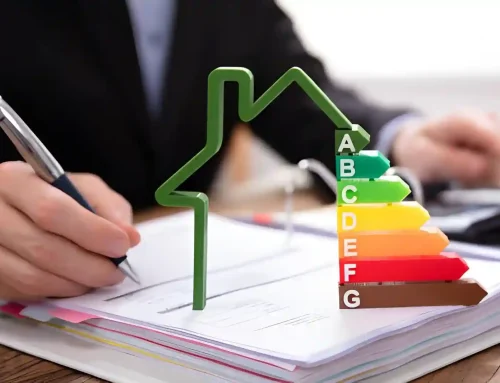
Landlords should understand EPC ratings because they can affect whether a property can be legally rented. EPC scores show how energy efficient a property is, from A to G.
A rental property must meet the required EPC standard before it can usually be let, unless a valid exemption applies. These rules set the minimum energy rating landlords must meet.
The current minimum standard for many privately rented properties in England and Wales is usually EPC rating E or above, unless a valid exemption applies.

| Rating Level | Energy Performance | Rental Meaning |
|---|---|---|
| A | Very high efficiency | Excellent energy performance |
| B | Strong efficiency | Good energy performance |
| C | Good efficiency | Strong target for future planning |
| D | Moderate efficiency | May need future improvement planning |
| E | Lower efficiency | Current minimum standard in many cases |
| F-G | Poor efficiency | Usually cannot be let unless exempt |
How EPC Compliance Can Impact Rental Income
How EPC Affects Rental Value
A better EPC rating can make a property more attractive to tenants because it may suggest lower energy use and better comfort. Tenants are often more aware of energy costs, so efficient homes can stand out in the rental market.
Good energy performance can also help landlords reduce void periods and improve long-term tenant interest.
Why Compliance Matters
Good EPC ratings can improve tenant confidence and may also support better long-term rental planning. Compliance also helps landlords avoid enforcement issues and delays during letting or renewal stages.
For landlords with multiple properties, EPC planning can also protect portfolio value and support smoother management.
Property Upgrades Needed to Meet EPC Standards
Landlords can improve EPC ratings step by step by upgrading insulation, heating systems, windows, and other key areas.
Common EPC improvement options include:
- Loft insulation
- Wall insulation
- Double or secondary glazing
- Efficient heating systems
- Heating controls
- Low-energy lighting
- Draught proofing
- Boiler upgrades
- Hot water cylinder insulation
- Renewable energy options where suitable
Insulation and heating upgrades can improve EPC results and help landlords meet EPC requirements. Expert advice can also help landlords choose the most useful upgrades for each property.
Keeping records of all improvement work also makes future checks easier.
How Future EPC Rules Could Affect Buy-to-Let Investments
Future EPC rules may influence buy-to-let investments through higher energy efficiency expectations and stronger financial review standards.
Energy performance may become more important in property valuation, lending decisions, and long-term investment planning. Better energy ratings can also improve market appeal and support long-term stability.
Important steps include:
- Keep the EPC certificate valid
- Check the current rating before letting or renewal
- Improve insulation and heating systems where needed
- Keep records of all property upgrades
- Plan assessments before major letting decisions
- Review future EPC rule changes regularly
Landlords who plan early may find it easier to manage upgrade costs and avoid last-minute pressure.
The Risks of Delayed Energy Efficiency Upgrades
Delaying energy upgrades can increase compliance pressure and reduce property performance. Older heating systems, poor insulation, and low energy ratings can make a property less attractive to tenants.
Landlord EPC requirements carry legal responsibility, so planned improvements can help reduce risk and support better rental management.
Early upgrades can help landlords:
- Avoid rushed work
- Reduce compliance risk
- Improve tenant comfort
- Support rental appeal
- Protect property value
- Keep better control of costs
Why Proactive EPC Planning Saves Time and Resources
Regular EPC reviews help landlords spot compliance gaps early and reduce admin pressure. Early preparation makes inspections, upgrades, and document checks easier to manage.
Following EPC requirements helps landlords stay in control of compliance. Keeping EPC records updated makes it easier to respond when regulations change, especially when managing landlord EPC requirements across multiple properties.
| Step | Action | Purpose |
|---|---|---|
| Check EPC status | Confirm current certificate | Avoid legal gaps |
| Arrange assessment | Book assessor support | Support compliance |
| Review rating | Understand current performance | Plan next steps |
| Upgrade insulation | Improve efficiency level | Raise rating where needed |
| Keep records safe | Store documents securely | Support inspections |
Frequently Asked Questions
Clear records support audits, reduce disputes, improve oversight, and maintain confidence during inspections and tenancy renewals.
Inspections can affect letting timelines, upgrade planning, documentation, and day-to-day property management.
Enforcement action may happen when landlords miss deadlines, keep invalid records, ignore notices, or repeatedly fail compliance checks.
Consultations, guidance updates, policy drafts, and regulator statements can indicate upcoming changes.
Preparation helps landlords respond faster, stay organised, and feel more confident during inspections or compliance reviews.
Conclusion
Landlords should treat EPC requirements as an important part of property management. Following EPC rules helps reduce legal risk and protect property value.
Landlord EPC requirements can affect rental value, tenant confidence, and long-term planning. Energy standards are becoming more important for both residential and commercial properties.
Careful planning, regular inspections, and expert support help landlords keep accurate EPC records. Landlords should review their EPC position regularly as rules and guidance change over time.
Landlord Certificate London provides EPC guidance, assessments, and compliance support for landlords. Contact the team for tailored assistance and professional direction for your property needs.
About the Author: LandlordCertificate

Related Posts


Recent Posts
- Residential EICR London: Complete Electrical Safety Inspection Guide for Landlords & Homeowners
- Property Owners and Landlords Across London
- Emergency Lighting Assessment Failure Signs: 4 Critical Indicators Your System Needs Immediate Attention
- Annual Fire Alarm Inspection Checklist and Industrial Facility Solutions Safety Plan: 5-Step Shield
- Fuse Box Installation by a Certified Fuse Box Electrician for Circuit Failures and Safety Control









Get Social