



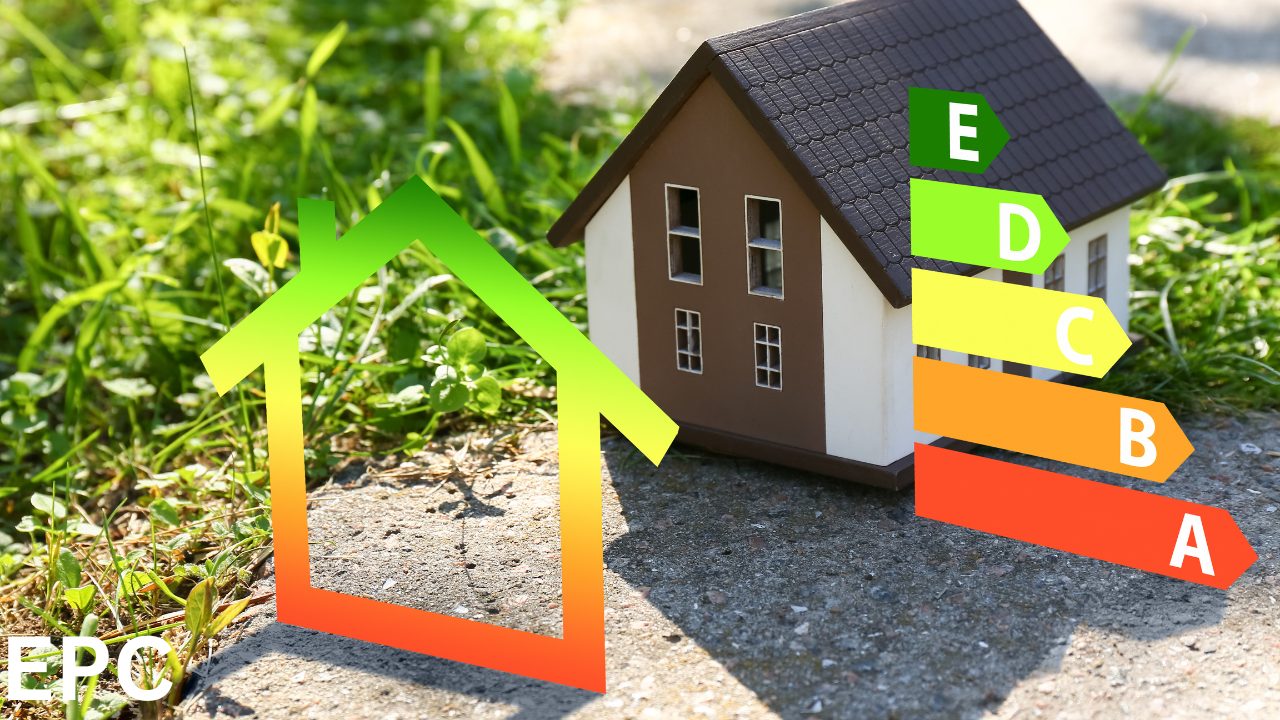
In the UK, a building’s energy efficiency is graded on an Energy Performance Certificate (EPC) from Band A (most efficient) to Band G (least efficient). Whether you are selling a home, buying an investment flat, or letting out a rental property in London, your EPC band shapes running costs, market appeal, and legal compliance.
Understanding Energy Performance Certificates

An EPC does not measure structural condition or damp; instead, it models typical heating, hot water, and lighting costs per square metre alongside estimated CO2 emissions. As set out in GOV.UK guidance on Energy Performance Certificates, an EPC is valid for 10 years from issue, though commissioning a fresh certificate after major upgrades such as loft insulation or a new boiler helps showcase your improved score.
How EPC Ratings Are Calculated (Bands A to G)
During the assessment, an accredited energy assessor measures room dimensions and inspects key building features. Bands A and B represent very low modelled running costs, Bands C and D cover most modernised UK homes, and Bands E, F, and G indicate higher heat loss where targeted upgrades make the biggest difference.
| Assessment Factor | What Your Assessor Checks |
|---|---|
| Building Characteristics | Property age, wall construction (solid vs. cavity), floor area, and glazing type. |
| Heating & Hot Water | Boiler efficiency, hot water cylinder insulation, programmers, and room thermostats. |
| Insulation Levels | Loft insulation depth, wall insulation evidence, and draught-proofing. |
| Lighting & Renewables | Proportion of fixed low-energy LED bulbs, solar PV panels, or heat pumps. |
High vs. Low EPC Ratings: What Changes?

High EPC Rating (Bands A to C)
- Lower modelled heating, hot water, and lighting bills
- Warmer indoor comfort with fewer cold spots
- Stronger buyer and tenant demand across London
- Ready for tightening future rental efficiency targets
Low EPC Rating (Bands E to G)
- Higher energy waste and utility expenses for occupiers
- Band F or G cannot be let without a registered exemption
- Greater price negotiation leverage for buyers
- Higher upfront upgrade bills to reach compliance
Practical Ways to Improve Your EPC Rating
As outlined in the Energy Saving Trust guide to EPCs, every certificate includes a tailored recommendation table showing indicative installation costs and potential rating gains. Topping up loft insulation to 270mm, fitting thermostatic radiator valves (TRVs), switching fixed lighting to LEDs, and upgrading older non-condensing boilers or single glazing are often the quickest ways to lift a property’s band.

“We regularly see London flats miss out on a higher EPC band by just two or three points simply because the assessor could not verify cavity wall insulation or boiler installation paperwork on site. Gathering FENSA glazing certificates, boiler manuals, and insulation invoices before the visit ensures your property gets full credit.”
Legal Rules for Buyers, Sellers, and Landlords
You must commission an Energy Performance Certificate before marketing any property for sale or rent in the UK. For private landlords in England and Wales, the Domestic Minimum Energy Efficiency Standard (MEES) guidance sets Band E as the legal minimum to let a home unless a valid exemption is registered, with council penalties of up to £5,000 for non-compliance.
Frequently Asked Questions
+ How long does a UK Energy Performance Certificate remain valid?
+ What is the minimum EPC rating required to rent out a property?
+ Do home sellers need a minimum EPC band to sell their house?
+ Does plug-in appliance usage affect my EPC score?
Check Out Our Other Services
Residential EPC
Accredited domestic EPC assessments and 10-year register lodgement from £89.99.
Residential EICR
Five-year electrical installation safety reports from £67.99.
Commercial EICR
Circuit-tested electrical safety reports from £149.99 (1 consumer unit).
Gas Safety (CP12)
Annual Gas Safe registered inspections starting from £50 (1 appliance).
Fire Risk Assessment
Compliant fire safety evaluations for HMOs, blocks of flats, and workplaces.
Asbestos Survey
Management and refurbishment surveys for pre-2000 buildings from £239.99.
Need an EPC Certificate in London?
Book online in minutes or speak with our team on 020 4518 8198 or info@landlordcertificatelondon.co.uk.
About the Author: Hassan Sharif

Related Posts


Get Social
Recent Posts
- Asbestos Management Surveys for London Rental Properties: CAR 2012 Landlord Guide
- Commercial Fire Risk Assessment London: Workplace Fire Compliance & Safety Certification
- Commercial Gas Safety Certificate CP42 London: Commercial Kitchen & Catering Compliance
- Landlord Gas Safety Certificate CP12 London: Annual Inspection & Legal Compliance Guide
- Commercial EICR London: Business Electrical Testing & Workplace Compliance Guide