



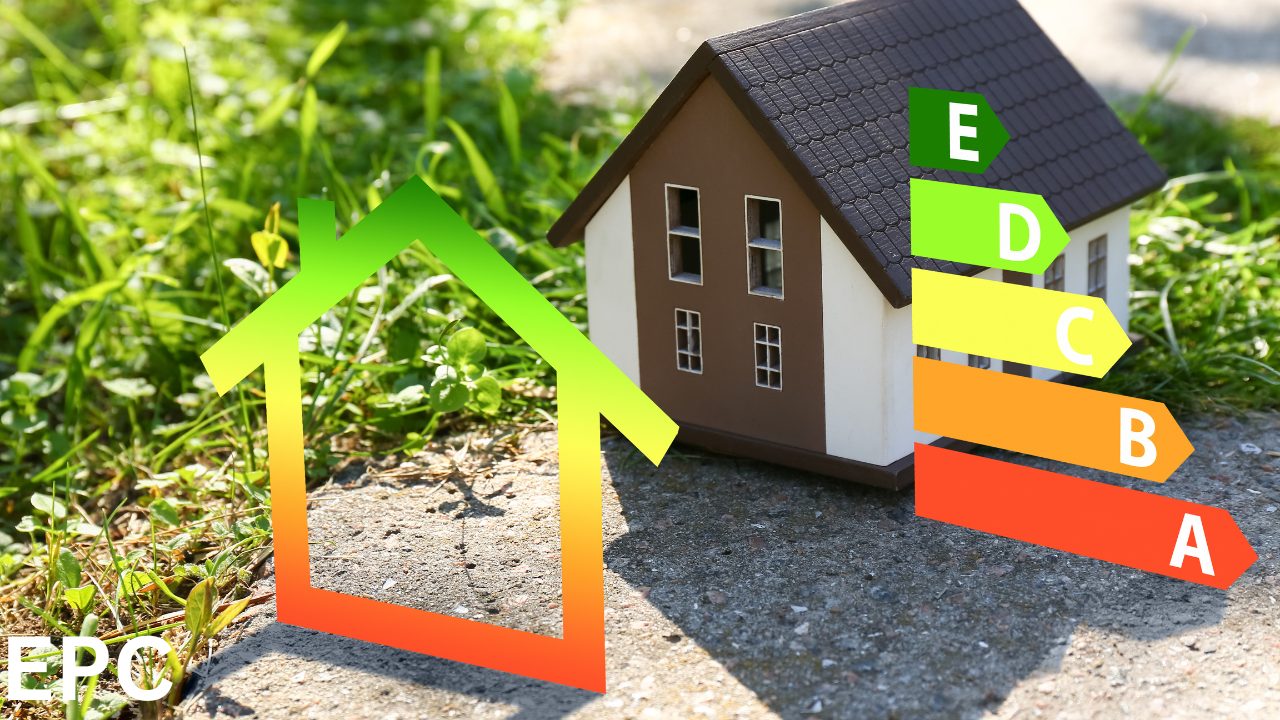
Energy performance measures how efficiently a residential or commercial building retains heat, runs its heating and hot water systems, and manages everyday energy use. Properties with strong energy performance waste less fuel, cost less to run each month, and provide healthier, warmer indoor spaces year-round.
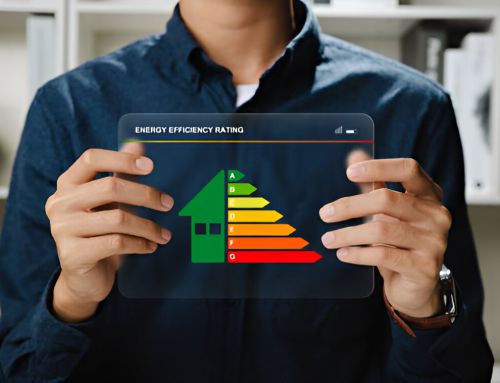
Across the UK, a building’s energy efficiency is officially recorded on an Energy Performance Certificate (EPC), graded from A (most efficient) to G (least efficient). Understanding what shapes that score—and what an EPC inspection actually costs—helps homeowners, landlords, and buyers make smarter property decisions.

Field Insight from Hassan Sharif
Business Development Manager & Compliance Specialist at Landlord Certificate London
“When landlords and homeowners look at an EPC solely as a £90–£150 compliance fee, they miss half of its value. On countless London surveys—from top-floor flats in Camden to three-bedroom semis in Croydon—our assessors spot simple, low-cost fixes such as missing hot-water cylinder jackets, uninsulated loft hatches, or outdated halogen downlights that can lift a property up a whole EPC band without major building work.”
Why Energy Performance Matters for UK Properties
Improving building efficiency delivers measurable returns for both occupiers and property owners. Obtaining an Energy Performance Certificate (EPC) pinpoints exactly where heat and money are being lost:
- ✓Lower running bills: Well-insulated homes with modern heating controls require significantly less gas or electricity to stay warm.
- ✓Healthier indoor comfort: Better thermal retention and balanced ventilation reduce cold spots, condensation, and damp risks.
- ✓Stronger sale & rental appeal: Buyers and tenants actively compare EPC bands when weighing up monthly household budgets.
- ✓Lower carbon footprint: Cutting wasted heating energy directly reduces household CO₂ emissions.
Energy Performance Certificate: What Will It Cost You?
Under the Energy Performance of Buildings (England and Wales) Regulations 2012, a valid certificate must be produced by an accredited assessor whenever a property is marketed for sale or rent. Below are Landlord Certificate London’s fixed EPC assessment prices:
| Property Type | Size / Bedroom Tier | Fixed LCL Price |
|---|---|---|
| Domestic EPC | Studio Apartment | £89.99 |
| Domestic EPC | Up to 3 Bedrooms | £109.99 |
| Domestic EPC | 4 Bedrooms | £129.99 |
| Domestic EPC | 5 Bedrooms | £149.99 |
| Commercial EPC | Up to 50m² | 50m²–100m² | 100m²–250m² | £250 | £320 | £399 |
Where applicable in central London zones, transparent extras are limited to £5 for parking (if no free parking is available) and £18 for the London Congestion Charge.
What Affects a Property’s Energy Performance?
Four core building elements determine how quickly a home loses heat and how much fuel it uses. For instance, per the Energy Saving Trust roof and loft insulation guide, an uninsulated home can lose around 25% of its heat straight through the roof:

Smart Improvements for Stronger Energy Performance
You do not always need major structural work to improve an EPC rating. Alongside insulation and modern heating controls, simple steps such as draught-proofing doors, windows, and floors stop cold air entering while keeping essential ventilation clear:
- ✓Top up loft insulation: Aim for the recommended 270mm mineral wool depth and insulate the loft hatch and water cylinder.
- ✓Upgrade heating controls: Install a condensing boiler (or heat pump), programmable thermostat, and thermostatic radiator valves (TRVs).
- ✓Fit double glazing & seals: Replace single-glazed frames and seal perimeter gaps around doors and sash windows.
- ✓Switch to LED lighting: Replacing halogen or incandescent bulbs with low-energy LEDs is a fast, low-cost EPC win.
Energy Performance for Landlords & Property Buyers
For landlords in England and Wales, energy performance is a legal threshold as well as a market advantage—private rentals must achieve at least EPC Band E under MEES (unless a valid exemption is registered). For homebuyers, comparing EPC ratings helps forecast realistic winter heating bills before making an offer. Ready to book? Visit Landlord Certificate London, call 020 4518 8198, or book online below.
Frequently Asked Questions
+ What does an Energy Performance Certificate show?
An EPC grades a property’s energy efficiency from A (most efficient) to G (least efficient), estimates typical heating, hot water, and lighting costs, reports CO₂ emissions, and lists recommended upgrades.
+ How much does an EPC cost in London?
With Landlord Certificate London, domestic EPCs start at £89.99 (Studio), £109.99 (Up to 3 Bedrooms), £129.99 (4 Bedrooms), and £149.99 (5 Bedrooms), while commercial EPCs start at £250 (up to 50m²), £320 (50m²–100m²), and £399 (100m²–250m²), plus £5 parking (no free parking) and £18 Congestion Charge where applicable.
+ How long is an EPC valid for?
An EPC is valid for 10 years from its date of issue and can be reused for multiple sales or tenancies during that time—though getting a new assessment after major energy upgrades can lift your rating.
+ What impacts a property’s energy efficiency rating the most?
Roof and wall insulation, boiler efficiency and heating controls, window glazing, draught-proofing, and fixed low-energy LED lighting have the largest impact on your property’s A–G EPC score.
About the Author: Hassan Sharif

Related Posts


Get Social
Recent Posts
- Asbestos Management Surveys for London Rental Properties: CAR 2012 Landlord Guide
- Commercial Fire Risk Assessment London: Workplace Fire Compliance & Safety Certification
- Commercial Gas Safety Certificate CP42 London: Commercial Kitchen & Catering Compliance
- Landlord Gas Safety Certificate CP12 London: Annual Inspection & Legal Compliance Guide
- Commercial EICR London: Business Electrical Testing & Workplace Compliance Guide