





Electrical faults are not always obvious. A socket may work normally while the wiring behind it is worn, poorly connected or missing the right protection. That is why an electrical safety inspection for London landlords is an important part of looking after a rented property.
For rented homes covered by the rules in England, electrical installations must be inspected and tested by a qualified person at least every five years. The result is usually recorded in an Electrical Installation Condition Report, or EICR. The report shows whether the fixed electrics are safe for continued use and whether any work is needed.
If your property is due for testing, you can arrange an EICR through Landlord Certificate London. View the EICR service
What Does an Electrical Inspection Cover?
An electrical safety inspection for London landlords focuses on the fixed electrical installation rather than simply checking whether lights and sockets turn on.
The electrician may inspect and test the consumer unit, wiring, socket outlets, light fittings, protective devices, earthing and bonding. The purpose is to find faults that could lead to electric shock, overheating or fire. GOV.UK also confirms that the inspection covers fixed electrical parts such as wiring, sockets, light fittings and the consumer unit.
This is especially useful in London, where rental stock can include new-build flats, older conversions, HMOs and houses that have been altered many times. Even when everything looks fine, hidden defects can still be present.
Why It Is Better to Book Before the Deadline
Leaving an electrical safety inspection for London landlords until the last few days can create unnecessary pressure if the report finds a problem.
EICR observations are normally shown using codes. C1 means danger is present. C2 means there is a potentially dangerous condition. FI means further investigation is needed. C3 is a recommendation for improvement.
If a report requires remedial or investigative work, current government guidance says it should normally be completed within 28 days, or sooner where the report specifies a shorter period.
Landlords with an unsatisfactory result can also review the site’s EICR remedial works guidance before arranging repairs. Read about EICR remedial works
Do You Need a New EICR When the Tenant Changes?
Not always. An electrical safety inspection for London landlords does not automatically have to be repeated every time a new tenant moves in.
If the existing report is still valid, was completed within the required inspection period and does not call for outstanding remedial or investigative work, the landlord can normally use that report. A copy should be given to the new tenant before they occupy the property.
The current government guidance explains the inspection cycle, report duties and landlord responsibilities in more detail. Read the official GOV.UK electrical safety guidance
What Happens During the Appointment?
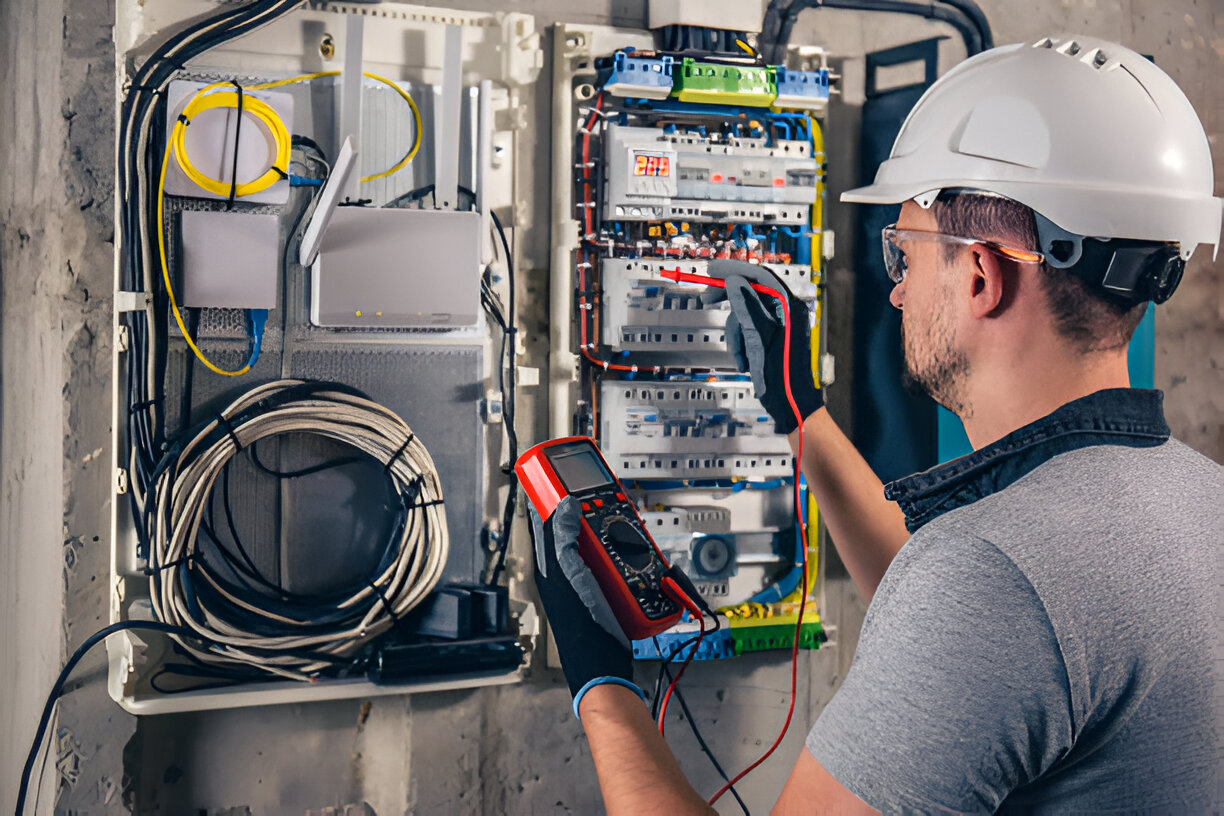
For an electrical safety inspection for London landlords, the engineer needs suitable access to the property and the fixed electrical installation. This usually means access to the consumer unit and electrical points around the home.
Some testing may require short interruptions to the power supply, so tenants should be told about the appointment in advance. The time required depends on the size of the property, the number of circuits, access and the condition of the installation.
Keeping the previous EICR or any recent electrical certificates available can also help the inspector understand earlier work.
What If the EICR Is Unsatisfactory?
An unsatisfactory report does not always mean a full rewire is needed. An electrical safety inspection for London landlords may find a small local defect, several faults or a larger issue that needs further investigation.
The report should show what was found and how serious it is. Required remedial work should then be completed by a suitably qualified electrical professional. Keep the original report together with the paperwork confirming that the required work has been completed.
Good records are particularly useful for landlords with several properties because renewal dates and repair histories are easier to track.
How to Prepare Your Rental Property
A little preparation can make the inspection smoother.
Make sure the consumer unit is accessible and avoid blocking sockets or other electrical points with heavy furniture where possible. Tell the tenant that testing will take place and that brief power interruptions may be necessary. If there has been recent electrical work, keep the relevant certificate ready.
It is also worth checking the date stated on your existing EICR instead of guessing when the next inspection is due.
Why Use a London-Based EICR Service?
A London-based EICR appointment is easier to organise when the provider regularly works with rented homes, tenant access and landlord compliance deadlines.
The most important point is competence. The person carrying out periodic inspection and testing must be qualified and competent for the work. A clear report should explain the condition of the installation and any action that follows.
Landlord Certificate London provides residential EICR services for landlords and property owners across London. Explore residential EICR services
Frequently Asked Questions
For rented homes covered by the regulations in England, an electrical safety inspection for London landlords is generally required at least every five years. A report can set an earlier date where necessary.
No. An EICR mainly deals with the fixed electrical installation. Portable appliances are separate from the fixed wiring and may require their own checks depending on the property and landlord responsibilities.
Landlords who also need appliance testing can review the site’s PAT testing service. View Portable Appliance Testing services
No. C3 is an improvement recommendation. C1, C2 and FI observations are the codes that normally make an EICR unsatisfactory and require action or further investigation.
Final Thoughts
A planned electrical safety inspection for London landlords helps uncover hidden faults before they turn into larger safety or maintenance problems. It also gives landlords a clear record of the condition of the fixed electrical installation.
Check the date on your current report, arrange the inspection before it expires and deal with any required work promptly. That simple routine makes electrical compliance much easier to manage.
About the Author: LandlordCertificate

Related Posts

Get Social
Recent Posts
- Commercial Gas Safety Certificate CP42 London: Commercial Kitchen & Catering Compliance
- Landlord Gas Safety Certificate CP12 London: Annual Inspection & Legal Compliance Guide
- Commercial EICR London: Business Electrical Testing & Workplace Compliance Guide
- Residential EICR London: Complete Electrical Safety Inspection Guide for Landlords & Homeowners
- Property Owners and Landlords Across London