




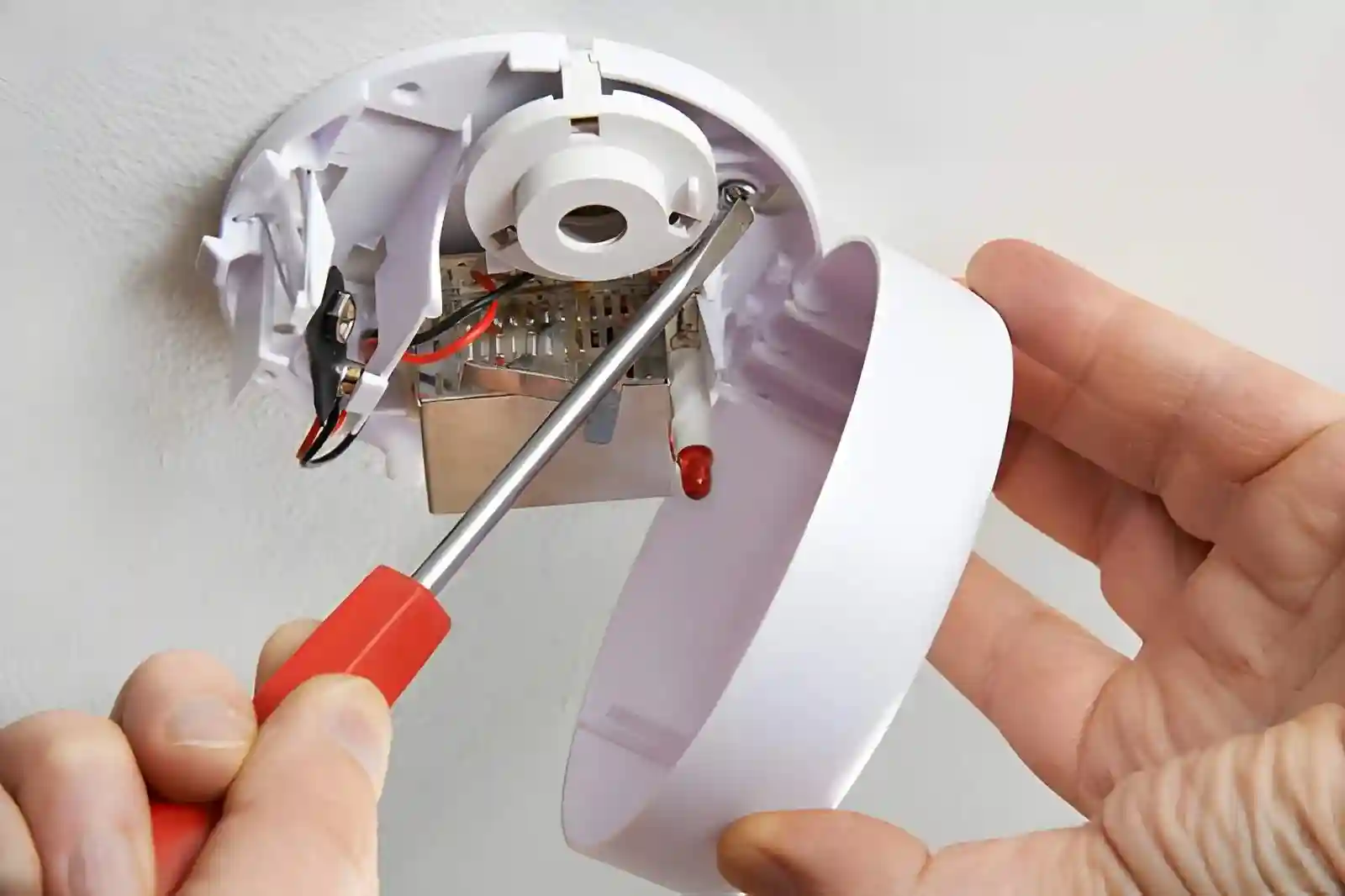
Modern safety environments often rely on unified protection systems that combine detection and response channels. Strong integration improves coordination between fire alerts and security communication paths across different infrastructures. A properly configured setup allows a new fire alarm installation to operate within connected safety systems without delays in signal transfer. System compatibility depends on control panels, communication modules, and correct configuration standards. Research from safety monitoring reports shows integrated fire and security systems reduce response delays by nearly thirty per cent. Stable communication paths also improve emergency readiness across mixed-use properties.
Key Takeaways
- Connected systems improve safety response timing
- Proper setup avoids signal disruption issues
- Device compatibility supports smooth communication
- Monitoring improves emergency coordination flow
- Correct installation reduces false alerts
- Routine checks keep systems stable
- Backup power ensures continuous operation
- Records help confirm compliance status
- Maintenance lowers the risk of breakdowns
- Expert checks improve system reliability
Why Integrated Fire And Security Systems Improve Emergency Response
Security and fire systems often operate better when connected through shared communication pathways. Unified structures reduce delays in alert distribution and improve coordination between monitoring units. Existing infrastructure can support new fire alarm installation when system compatibility meets the required technical standards. Integration reduces gaps between detection and response teams during emergencies. Reliable data transfer strengthens monitoring accuracy across multiple safety layers. Proper linkage supports consistent signal flow between fire and security systems.
Understanding How Fire Alarm Integration Systems Operate
Control Panels Manage The Entire System
The fire alarm panel is the central hub. It powers devices, monitors loops/zones, and decides what happens when a detector triggers. Addressable panels pinpoint the exact device and location, which cuts response time and false alarm confusion.
Communication Modules Transfer Emergency Alerts
IP communicators provide fast, two-way signalling over the internet and are used for app notifications and BMS integration.
Dual-path: Combines IP + GSM for redundancy. Required for most monitored systems under EN 50136.
Communication Protocols Keep Systems Connected
EN 54 is the standard for fire detection devices and ensures detectors, panels, and sounders from different brands can work together reliably.
SIA/Contact ID: Formats alarm events for Alarm Receiving Centres so they know fire vs fault vs tamper, and exact location.
Building protocols: Modbus, BACnet, and KNX let the fire panel trigger HVAC shutdown, door release, and elevator recall automatically.
Essential Requirements Before Connecting To A Monitoring Centre
System Compatibility And Communication Setup
The panel must support remote signalling, and the communicator needs to use a protocol accepted by the ARC, like SIA, Contact ID, or IP. Dual-path IP + GSM is standard now.
Installation Certification And Compliance Records
You need a completion certificate to EN 54/BS 5839 showing the system was installed and commissioned correctly. ARCs won’t monitor systems without it.
Accurate Zone Mapping And Site Identification
Each device and zone must be labelled in the panel so the ARC knows exactly where the alarm came from. This goes into the site database.
Monitoring Accounts And Response Planning
Set up an account with the monitoring centre, agree on keyholder contacts, and define the response: call the fire brigade, call you, or both.
Network Stability And Backup Power Support
For IP communicators, provide a stable internet connection with a port open for signalling. For GSM, ensure good signal strength. Both need backup power.
Advantages Of Combining Fire Alarms With Security Systems
Integrated safety systems improve response efficiency and reduce communication delays across multiple monitoring channels. Centralised control allows new fire alarm installation to operate alongside security systems in a coordinated structure. Unified alerts improve decision-making speed during emergencies across connected environments.
Better Communication Between Safety Systems
Monitoring platforms reduce communication gaps between detection systems and response units, and research shows unified systems enhance operational efficiency by over thirty per cent in controlled environments. Better coordination supports faster action across all connected components. System reliability improves when communication pathways remain stable and consistent. Improved reliability supports continuous protection across all monitored areas.
Common Integration Problems And How They Affect Performance
System integration often faces technical barriers that affect signal transmission and communication reliability. Configuration errors within a new fire alarm installation may reduce synchronisation between connected devices. Protocol mismatch can create delays in alert processing across monitoring platforms. Hardware incompatibility reduces detection accuracy and system responsiveness.
Signal Interference And Compatibility Challenges
Signal interference disrupts coordination between sensors and control units, and maintenance inconsistencies increase fault occurrence across integrated networks. Calibration errors contribute to inconsistent alarm activation performance. Integration becomes more complex when older infrastructure lacks modern compatibility standards. Proper system design reduces operational risks and improves response reliability. Consistent monitoring helps maintain stable and reliable system performance.
Fire Code Compliance And Monitoring Centre Requirements
Regulatory rules define how alarm systems connect with monitoring services. Compliance with fire alarm UK regulations requires correct system setup and verified communication paths. Monitoring follows approved emergency response methods. System checks confirm proper function during activation events, while certified setups improve safety assurance and operational reliability across networks.
| Area | Purpose | Result |
|---|---|---|
| Compliance | Safety alignment | Approved status |
| Monitoring | Response control | Faster action |
| Testing | System check | Proper function |
| Certification | Verification | Trusted system |
Managing Simultaneous Fire And Security Alarm Activations
Simultaneous alarm activation requires structured response coordination across integrated systems. Advanced system configuration allows a new fire alarm installation to prioritise fire alerts over security notifications during emergencies. Security systems remain active but secondary during fire incidents. Integrated systems reduce confusion and improve decision speed during overlapping events. Proper system design ensures clear separation between simultaneous alerts. Communication protocols help maintain a coordinated response across connected systems. Reliable coordination prevents conflicts during emergency activation scenarios.
Understanding Fire Alarm Monitoring And Installation Costs
System planning supports long-term maintenance and monitoring needs. Cost evaluation helps property owners choose reliable and cost-effective fire alarm services. Service costs and requirements depend on system size and monitoring level. Maintenance schedules improve stability across devices. Professional servicing lowers fault rates and improves detection accuracy across systems’ overall reliability levels.
| Level | Scope | Price |
|---|---|---|
| Basic | Small system checks | £80 – £150 |
| Standard | Medium system setup | £150 – £300 |
| Advanced | Large integrated system | £300 – £600 |
| Premium | Complex multi-site system | £600 – £1200 |
How To Choose The Right Fire Alarm Monitoring Centre
Choosing the right monitoring centre improves system performance and emergency response quality. Verification through a certificate for fire alarm installation confirms system compliance, and monitoring capability depends on the strength and reliability. Fast response times improve emergency coordination across connected systems. Service reliability ensures consistent alarm handling during incidents. Technical support availability improves maintenance efficiency and system stability. Compatibility assessment prevents integration failures and signal loss.
Why Reliable Monitoring Matters For Long-Term Safety
Proper monitoring ensures rapid escalation and accurate alert distribution, which improves safety and communication efficiency. System audits maintain compliance and performance consistency across networks. Integrated monitoring frameworks ensure stable connectivity and reliable emergency response performance.
Best Maintenance Practices For Integrated Fire And Security Systems
Perform Regular System Testing
Routine system checks: Test alarms regularly to ensure proper response across all connected zones
Inspect Backup Power And Batteries
Power and backup review: Check batteries and power supply to avoid system failure during outages
Keep Sensors And Devices Clean
Sensor and device care: Clean detectors to maintain accurate smoke and heat detection performance
Monitor Control Panel Performance
Control panel inspection: Monitor panel status to ensure stable and fault-free operation
Schedule Professional Servicing
Professional servicing: Use qualified technicians to keep the system reliable and compliant
Frequently Asked Questions
Yes, modern systems allow integration for faster alerts and improved safety coordination.
It confirms installation meets safety standards and regulatory compliance requirements.
System size, maintenance, monitoring level, and equipment type impact overall pricing.
It requires certified installation, testing, and compliance with BS safety standards.
Monitoring improves response speed and ensures faster emergency alert communication.
Next Steps: Getting A Site Assessment For Seamless Connection
Final check helps confirm full system readiness for monitoring setup and smooth operation. A professional review of a new fire alarm installation ensures everything works correctly and meets safety needs. Site check confirms proper system design and correct placement. Testing makes sure all devices communicate without issues. Document review confirms that rules and safety standards are followed. Expert advice helps improve setup and reduce mistakes. Proper planning improves system strength and long-term stability. Regular checks keep performance steady and safe. Final approval ensures everything works as expected. Contact our team today to book your assessment and secure expert guidance for your system setup and compliance needs.
About the Author: LandlordCertificate

Related Posts

Recent Posts
- Commercial EICR London: Business Electrical Testing & Workplace Compliance Guide
- Residential EICR London: Complete Electrical Safety Inspection Guide for Landlords & Homeowners
- Property Owners and Landlords Across London
- Emergency Lighting Assessment Failure Signs: 4 Critical Indicators Your System Needs Immediate Attention
- Annual Fire Alarm Inspection Checklist and Industrial Facility Solutions Safety Plan: 5-Step Shield




Get Social