




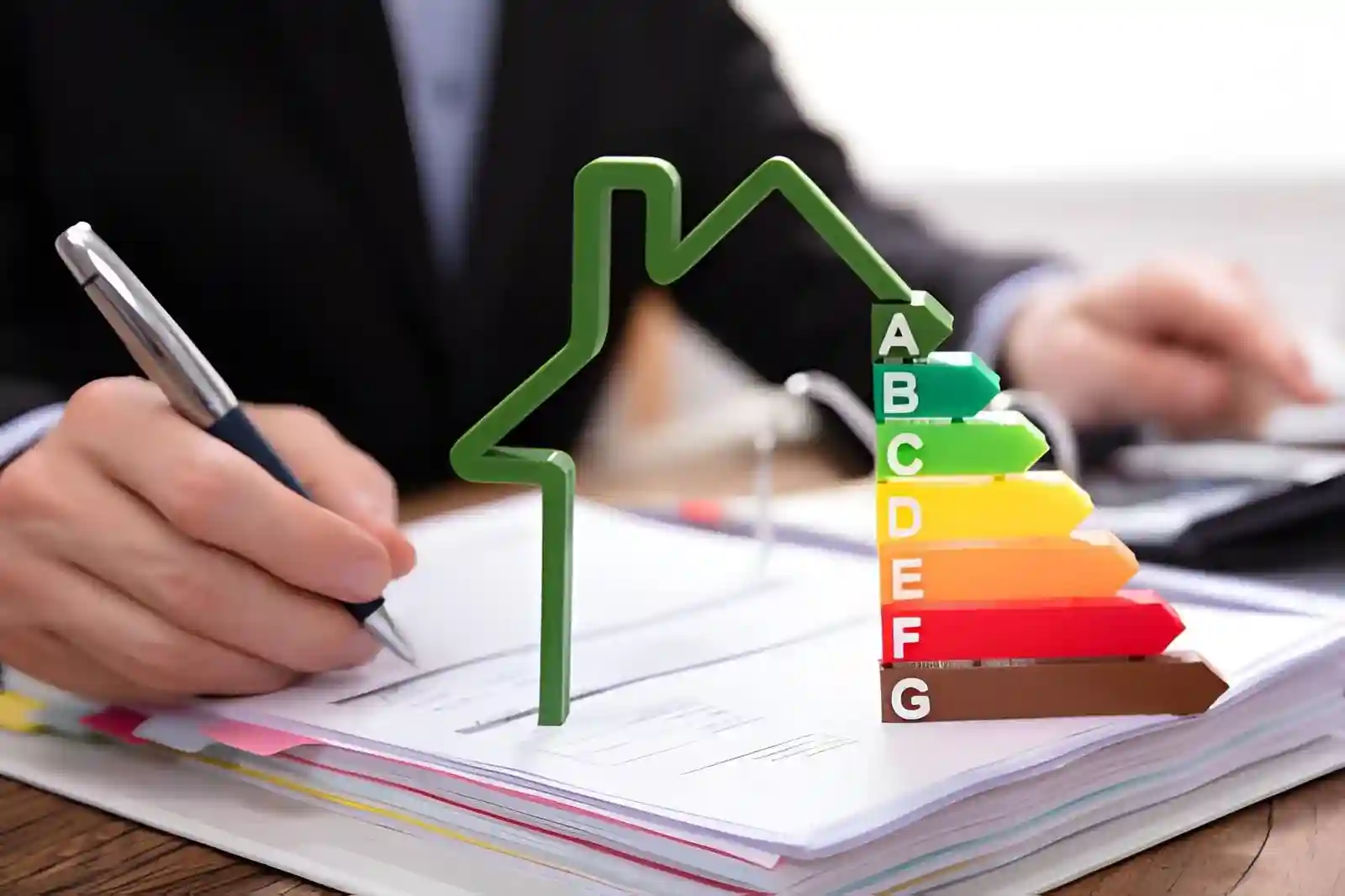
An EPC report London usually takes only 30 to 60 minutes and is simple, with no damage to your property. The approved assessor walks through your home to check key elements, including the boiler type and age, heating controls, loft and wall insulation, window glazing, and lighting. They measure rooms, review building materials, and take photos as evidence, but they will not move furniture or test appliances.
Receiving Your EPC Results
After the visit, you will receive your EPC report within 2 to 5 days. The report shows an energy rating from A (best) to G (worst) and includes a list of low-cost improvements to help you save energy and reduce bills.
Key Facts About Your Energy Rating
- Building age matters; older homes may require more upgrades
- Assessors check boilers, insulation, windows, lighting, and heating systems
- You receive your EPC report within 2–5 days
- Each EPC includes a unique reference number for tracking
- Rental properties must have at least an E rating (expected C by 2028)
- Reports highlight the most cost-effective upgrades first
- Only accredited assessors can issue valid EPCs
- An EPC remains valid for 10 years unless major changes occur
- All EPCs are stored on a public register
- Fines can reach up to £5,000 for non-compliance
Why Energy Efficiency Matters for Property Owners
Energy performance data plays an important role in long-term property decisions. Compliance rules ensure transparency when properties are sold or rented. Property value is often influenced by energy ratings and ongoing maintenance planning. An EPC report provides clear insight into energy usage and areas for improvement.
Identifying Weak Points in Your Property
An EPC helps identify weak areas in building design and makes it easier to plan improvements. It also supports efforts to reduce carbon emissions across housing. Reports connect energy use with utility costs, helping with better financial planning. National systems ensure fair assessments, while proper records and tracking keep all data accurate and reliable.
What Affects Your EPC Rating?
Key factors determine your EPC rating across both residential and commercial properties:
- Building age
- Insulation quality
- Heating system efficiency
Assessors follow standardised methods to ensure fair and consistent results. The final rating is based on collected property data and approved calculation systems.
Planning for Future Improvements
Planning ahead helps property owners stay compliant and improve efficiency over time. EPC documents highlight areas that align with national sustainability goals. Keeping updated records also ensures accurate future assessments and smoother compliance with UK EPC regulations.
Choosing a Certified EPC Assessor in London
An EPC must be completed by an accredited domestic energy assessor registered with an approved scheme. You can find a certified EPC assessor London through approved directories. You cannot do it yourself. The assessor must be officially listed and qualified to carry out the inspection.
They use specialised software to calculate your rating based on:
- Construction type
- Heating systems
- Insulation
- Lighting

Where to Find a Qualified Assessor
You can find an assessor through:
- Estate or letting agents
- Online EPC providers
- Accreditation bodies such as Elmhurst, Stroma, or Quidos
Always check the assessor’s ID and accreditation number before the inspection.
How the EPC Register Ensures Transparency
The national EPC database stores certified energy records for properties. It connects official listings with regulatory systems and allows easy verification of certificate data.
Tracking Your EPC Record
Each property has a unique reference number. This includes:
- Energy rating
- Certification date
- Property details
Authorities use this system to ensure transparency and compliance.
Why Data Accuracy and Access Matter
Digital systems make it easy to verify a property’s energy status. They improve reliability and reduce manual errors in reporting. Regular audits help maintain system accuracy and compliance.
What Happens During the EPC Inspection?
An EPC assessor reviews all key elements that affect energy use:
- Heating system (boiler, controls, efficiency)
- Hot water system
- Insulation (loft, walls, floors)
- Windows and doors
- Lighting efficiency
- Ventilation and airflow
- Building structure and materials
How Energy Performance Is Measured
Energy efficiency depends heavily on insulation and heat retention. Heating systems are tested using standard procedures, and all collected data is used to calculate your final rating.
Energy modelling also identifies weak points in heat distribution. This supports improvement planning and ensures compliance with national standards.
Understanding Your EPC Rating
Your EPC rating shows how energy-efficient your property is and where improvements can be made.
- Rating bands simplify performance levels
- Insulation, heating, and lighting impact the score
- Results are standardised for fair comparison
- Scores help compare properties across the market
EPC Rating Breakdown
| Area | Meaning |
|---|---|
| Energy Rating | Overall efficiency level |
| Rating Bands | Energy use category |
| Insulation | Heat retention level |
| Heating | System efficiency |
| Lighting | Power usage level |
| Final Score | Building comparison result |
What to Do After Getting Your EPC Report London
1. Review Recommendations
Start with the most cost-effective upgrades like loft insulation or LED lighting.
2. Check Legal Requirements
Rental properties must meet minimum E rating (C by 2028). Plan upgrades early.
3. Get Quotes
Use report estimates and check for schemes like Boiler Upgrade Scheme or ECO4.
4. Update Your EPC
Major improvements require a new certificate.
5. Share the Report
Provide it to tenants and include it in property listings.
6. Keep It Safe
Your EPC is valid for 10 years unless significant changes occur.
Frequently Asked Questions
You usually receive your EPC report within 2 to 5 days after the assessment is done.
It shows property energy efficiency levels from A as best to G as worst rating.
The assessor checks heating systems, insulation, windows, lighting, and overall building construction details carefully.
No, properties below an E rating cannot be legally rented until improvements are completed properly.
Review recommendations, plan improvements, complete upgrades, and update your EPC after major property changes.
Conclusion: Make Your Property Future-Ready
An EPC report shows whether your property meets energy standards and legal requirements. It helps with planning upgrades, improving efficiency, and making informed decisions. Accurate reports and consistent data support long-term compliance and better property management. Regular checks ensure your property stays efficient and aligned with regulations. Need more information on EPC or commercial EPC? Read this blog ‘The Role of Commercial EPC Assessments in Energy Efficiency’.
About the Author: LandlordCertificate

Related Posts


Recent Posts
- Residential EICR London: Complete Electrical Safety Inspection Guide for Landlords & Homeowners
- Property Owners and Landlords Across London
- Emergency Lighting Assessment Failure Signs: 4 Critical Indicators Your System Needs Immediate Attention
- Annual Fire Alarm Inspection Checklist and Industrial Facility Solutions Safety Plan: 5-Step Shield
- Fuse Box Installation by a Certified Fuse Box Electrician for Circuit Failures and Safety Control








Get Social