





A commercial EPC assessment of energy use in buildings needs careful checking and regular monitoring. Good plans to save energy start with clear checks. A commercial EPC assessment helps find problems in heating, insulation, and energy use. After the check, building owners can make better plans to save energy. These checks help set goals for saving energy and keep the building’s value high. National numbers show that commercial buildings use almost 40% of all energy in property areas. This is why regular checks are very important. Rules and papers like EPC help buildings follow the law and report energy use in the same way. These rules make sure every building gets scored the same. This helps measure real improvements and match national goals for saving energy. Strong energy checks long-term reduction strategies and improved asset value retention.
Key Takeaways
- Energy performance rating impacts property value, overall risk
- Energy loss detection improves building efficiency outcomes
- Heating system upgrades reduce operational energy consumption
- Insulation quality improves thermal retention in buildings
- Lighting efficiency strongly influences total energy usage
- Regulatory standards guide commercial building performance
- Energy audits reveal hidden system inefficiencies quickly
- Building systems require continuous monitoring for safety
- Energy reporting informed property decision-making
- Compliance frameworks ensure consistent energy performance
Overview of a Commercial EPC Assessment and Core Purpose
Energy checks in commercial buildings use clear steps to show how much energy is really used. The check looks at insulation, how systems work, and how efficient the building is. A commercial EPC assessment gives clear numbers about energy use in different parts of the building. These numbers help with planning and show where problems are. When many buildings are checked this way, owners can track performance more easily. Reports say more than 60% of commercial buildings are not as efficient as they could be. This shows why these checks are useful. Certification output, such as an EPC certificate, ensures formal recognition of energy performance levels. Documentation transparency during property transactions and compliance reviews. Standardized rating systems allow consistent interpretation of efficiency levels across different asset classes, improving decision-making accuracy in energy planning frameworks.
Process Behind a Commercial EPC Assessment Explained
The EPC check follows clear steps. First, people collect information at the building. They look at heating systems, insulation, ventilation, and lights. A commercial EPC assessment starts with gathering data and then uses computer models to study it. The final result is a clear energy rating. Evaluation models apply standard government-approved calculation methods to ensure consistency across all assessments. These checks find problems 30% better than without them. Assessment accuracy depends on regulatory alignment supported by EPC testing frameworks that validate energy performance data. EPC testing procedures ensure consistency in measurement and reporting across all evaluated systems. Identical verification methods improve the reliability of final energy ratings and sustainability planning within property management strategies. This careful process helps building owners understand their energy use clearly.
Energy Efficiency Improvements Identified in EPC Reports
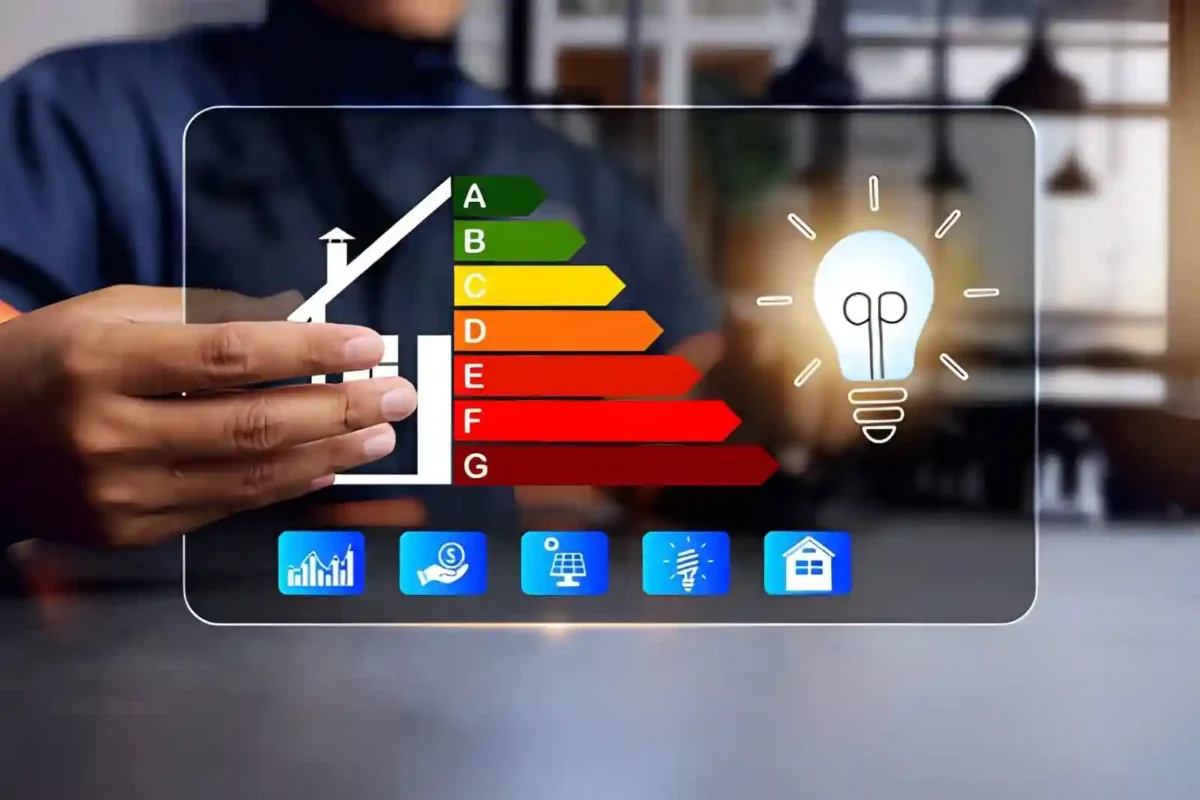
EPC reports show where energy is being wasted in commercial buildings. Heating systems often lose a lot of energy if the insulation or controls are not good. A commercial EPC assessment highlights areas where energy waste occurs across building systems. Operational improvements identified through commercial EPC certificate findings long-term cost efficiency and sustainability alignment. Lighting systems, ventilation networks, and insulation layers are typically evaluated for overall performance enhancement opportunities. Research data shows that targeted efficiency gains can reduce energy consumption by up to 25% in industrial environments. Improvement construction plans rely on structured reporting results that prioritize improvements based on overall performance impact. Recognition of energy discounting techniques in machine optimization, insulation enhancement, and equipment upgrade. Structured evaluation reviews assist with phased development planning that aligns with operational budgets and sustainability goals across product portfolios.
The Role of EPC Assessments in Sustainable Building Management
Good building management needs clear energy checks to reach long-term green goals. Performance tracking across building systems enables consistent monitoring of energy consumption patterns. A commercial EPC assessment provides measurable sustainability indicators for strategic planning. Long-term efficiency improvements rely on insights derived from commercial EPC testing outputs that highlight operational weaknesses. Asset management frameworks increasingly prioritize energy efficiency as a core performance metric across commercial portfolios. Industry shows that sustainable building practices reduce operational energy needs by nearly 20 % across large property agencies. Sustainability documents are supported by compliance frameworks aligned with EPC regulations that set minimum energy performance standards. Regulatory compliance ensures timely reporting and benchmarking across all business houses. Structured sustainability monitoring improves asset price stability and helps long-term environmental commitment in asset finance technologies.
How Lighting Systems Affect Commercial Energy Efficiency
Lighting systems represent a significant component of total energy consumption in commercial buildings. System efficiency depends on technology type, usage patterns, and control mechanisms. A commercial EPC assessment identifies inefficiencies within lighting infrastructure and usage. Operational analysis from commercial EPC assessment highlights opportunities for system upgrades and energy reduction. Lighting accounts for approximately 20% of total energy use in commercial environments, according to industry research. Energy optimization strategies focus on system replacement, automation controls, and improved design integration. Lighting efficiency improvements and broader energy reduction targets across building systems. Smart control integration and energy-efficient fixtures reduce unnecessary consumption during low occupancy periods. Structured evaluation methods ensure lighting performance aligns with overall building efficiency standards and sustainability goals across commercial property portfolios. This helps save energy in a big way.
Using EPC Reports for Energy Improvement Planning
Structured energy reports provide a foundation for strategic improvement planning across commercial properties. Data analysis, the identification of system inefficiencies, and the prioritization of upgrade measures. A commercial EPC certificate provides detailed insights that guide energy optimization strategies. Decision-making improves through structured commercial EPC assessment outputs that highlight performance gaps across building systems. Planning frameworks use report findings to allocate resources effectively and improve efficiency outcomes. Research shows that structured electrical design systems improve operational performance by more than 15% in all commercial buildings. Improvement techniques focus on insulation treatment, machine upgrades, and operational optimization. Structured reporting allows for phased implementation that aligns with budget and sustainability goals. Energy planning becomes more effective when supported by consistent evaluation data and performance benchmarking across commercial property portfolios.
Frequently Overlooked Areas in EPC Inspections
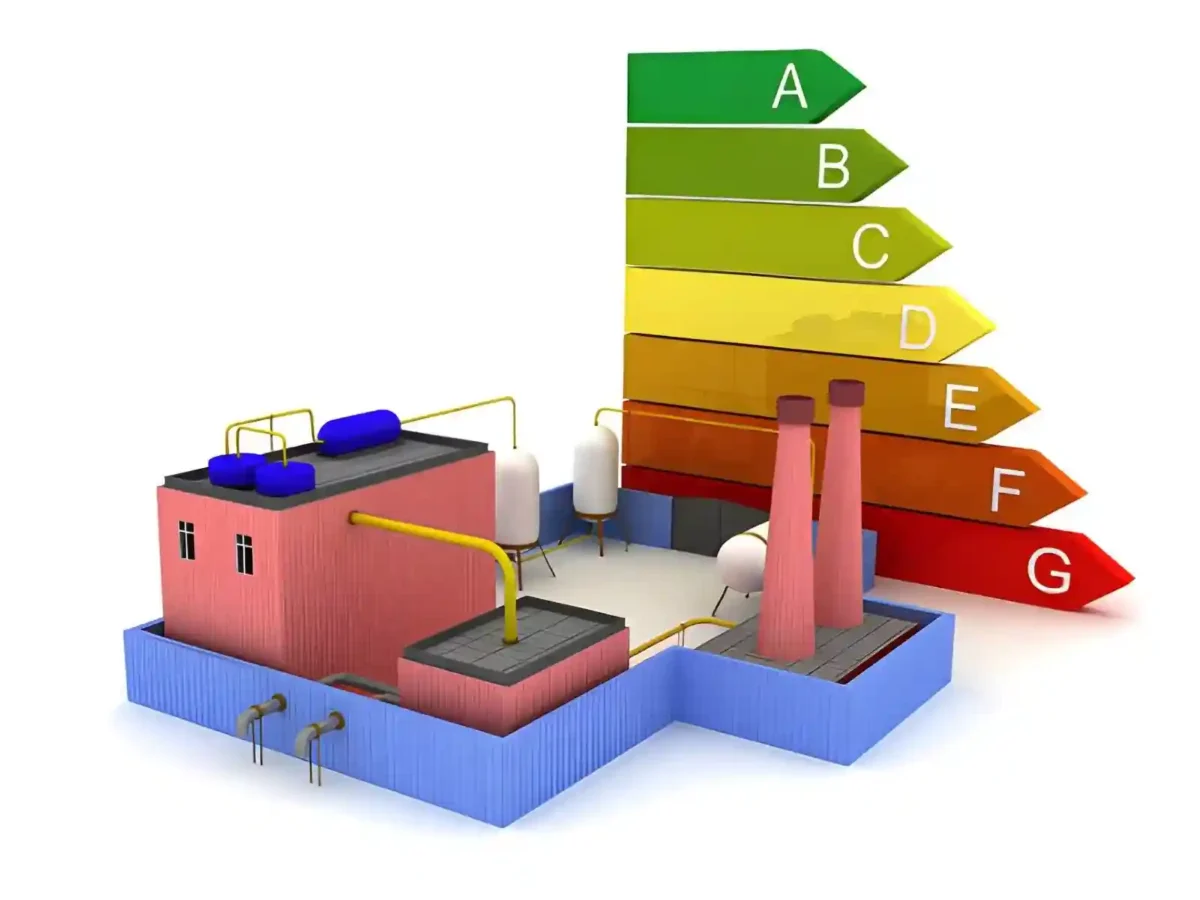
Energy inspections often reveal overlooked inefficiencies that significantly affect overall building performance. Areas such as pipe insulation, control systems, and secondary heating components frequently remain under-optimized. Commercial EPC regulations highlight these less visible inefficiencies within building systems. Evaluation results from commercial EPC assessment targeted improvement planning across all energy systems. Research shows that overlooked inefficiencies can contribute to up to 15% unnecessary energy loss in commercial environments. Attention to minor system components improves overall performance consistency. Inspection frameworks rely on structured evaluation methods that ensure all energy systems receive appropriate analysis. Detailed assessment procedures for the identification of hidden inefficiencies and system weaknesses. Comprehensive review processes improve the accuracy of energy ratings and strengthen efficiency planning across commercial property portfolios.
Recommended Update Frequency for Commercial EPC Assessments
Energy performance updates depend on regulatory requirements, system upgrades, and property usage changes. Regular reassessment ensures alignment with current energy standards and compliance frameworks. A commercial EPC assessment provides updated insights into building efficiency over time. Long-term monitoring through commercial EPC assessment, consistent performance tracking, and compliance maintenance. Industry standards recommend periodic reassessment to reflect system changes and operational modifications. Research shows that updated energy evaluations improve compliance accuracy by more than 25 % across commercial property portfolios. Energy documentation must remain aligned with evolving regulatory frameworks supported by EPC regulations that define minimum performance thresholds. Updated assessments ensure accurate representation of building efficiency and sustainability planning. Regular review cycles improve asset management strategies and maintain compliance across all commercial property categories.
Frequently Asked Questions
Efficient systems, proper insulation, and updated equipment improve performance, reduce waste, and enhance operational stability significantly.
Regular monitoring helps detect inefficiencies early, supports better planning, and maintains consistent operational control across facilities.
Lighting systems contribute heavily to consumption levels, and modern solutions help reduce unnecessary usage and improve balance.
Upgrades reduce waste, improve system output, and help achieve smoother operation with lower overall resource demand.
Maintenance ensures equipment works efficiently, prevents breakdowns, and ensures stable and reliable performance outcomes.
Conclusion
Energy performance evaluation remains central to commercial property management strategies and sustainability planning. Structured assessment frameworks provide measurable insights into building efficiency and operational performance. A commercial EPC assessment consistent evaluation of energy systems across multiple property types. Strategic opportunities benefit from insights generated through professional EPC assessment results that highlight inefficiencies and opportunities for improvement. Industry facts confirm the growing knowledge of electrical performance in industrial sectors, reinforcing the importance of systematic evaluation methods. Long-term asset price stability depends on effective energy regulation and regulatory alignment. Structured reporting systems ensure transparency and consistency across all overall performance indicators. Energy optimization techniques supported by formal assessment techniques promote sustainability outcomes and operational efficiency in commercial materials departments. This allows buildings to remain green and valuable for decades.
About the Author: LandlordCertificate

Related Posts

Recent Posts
- Residential EICR London: Complete Electrical Safety Inspection Guide for Landlords & Homeowners
- Property Owners and Landlords Across London
- Emergency Lighting Assessment Failure Signs: 4 Critical Indicators Your System Needs Immediate Attention
- Annual Fire Alarm Inspection Checklist and Industrial Facility Solutions Safety Plan: 5-Step Shield
- Fuse Box Installation by a Certified Fuse Box Electrician for Circuit Failures and Safety Control









Get Social