




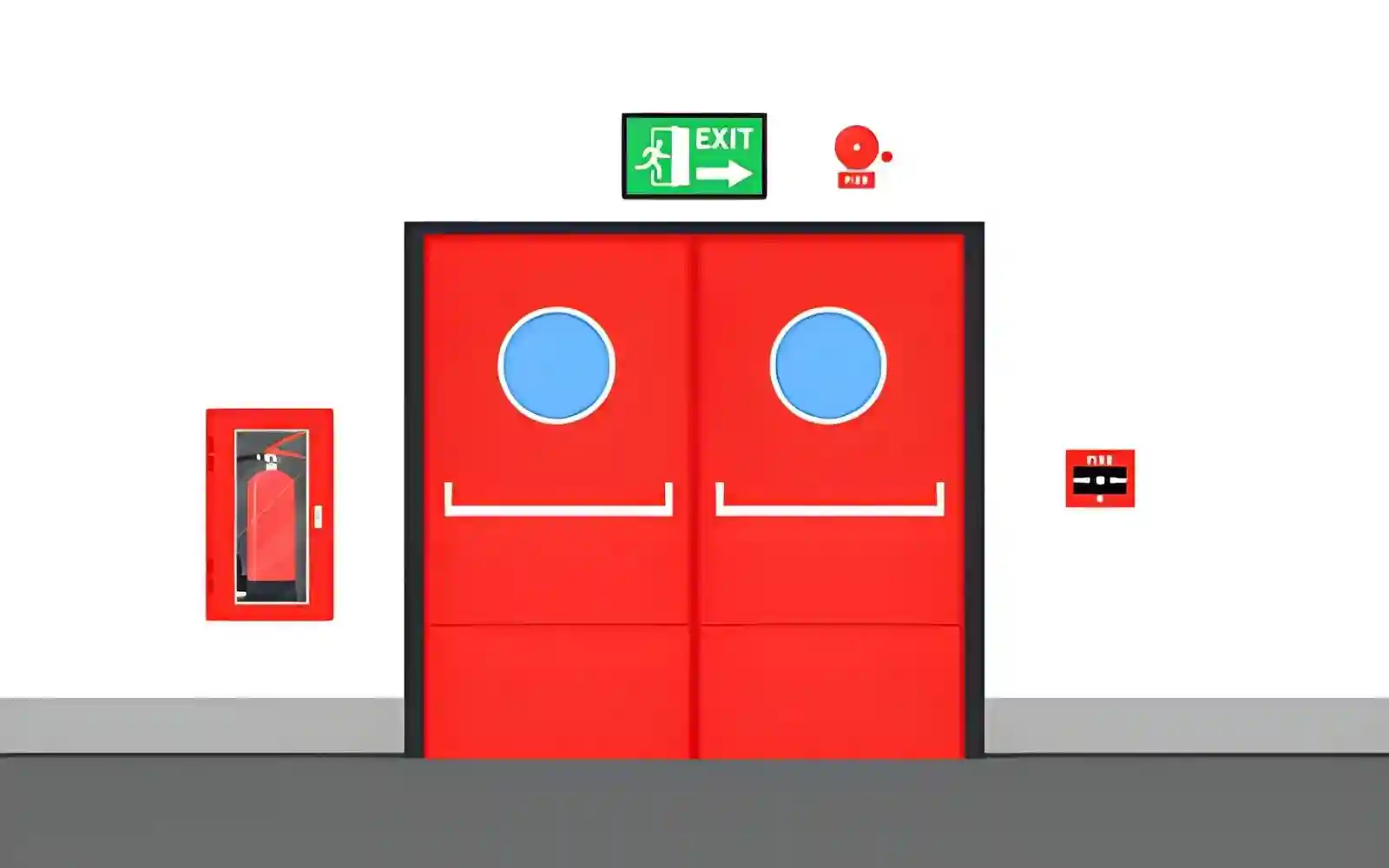
Awareness of internal fire spread control defines safer structures in residential and commercial environments. Certified fire safety doors play a central role in limiting flame movement across compartments. Strong construction standards allow certified fire safety doors to resist high heat exposure for durations under tested conditions. Building safety strategies rely on controlled separation of internal zones, which reduces the rapid escalation of fire incidents. Structural integrity remains protected when barriers maintain stability during heat pressure. Fire-resistant design improves evacuation pathways and reduces exposure levels across corridors and stair zones. Safety frameworks rely on certified components that follow regulated performance benchmarks. Risk reduction strategies depend on physical separation systems that limit oxygen flow to active fire zones. Proper installation ensures performance consistency across all protected openings. Safety planning improves when compartment control aligns with certified manufacturing standards.
Key Takeaways
- Fire-resistant design helps control internal fire movement
- Controlled airflow limits smoke spread across building zones
- Structural barriers maintain stability under high heat exposure
- Routine checks help detect faults before performance drops
- Durable components improve long-term safety and reliability levels
- Precise fitting ensures correct door function during stress
- Sealing integrity smoke restriction across passages
- Maintenance actions preserve operational effectiveness over time
- Safe route design improves evacuation flow during emergencies
- Certified systems strengthen overall building safety performance
What Are Certified Fire Safety Doors
Fire-resistant construction defines specialized door systems designed for controlled heat resistance and smoke restriction. Certified fire safety doors provide verified performance levels under regulated testing environments. Material composition includes reinforced cores and sealing systems that expand under thermal pressure. Certification confirms adherence to strict manufacturing benchmarks that govern structural endurance. Controlled airflow restriction improves containment of internal fire spread across enclosed areas. Certified fire safety doors maintain stability during exposure to high temperature conditions over defined time limits. Design precision ensures proper sealing between the frame and door structure. Fire-rated hardware contributes to operational reliability under stress conditions. Safety compliance frameworks recognize certified components as essential building elements. Fire door inspectors evaluate installation accuracy and performance conditions to maintain safety standards. Fire door audit processes verify compliance across structural and functional requirements. Fire door regulation defines mandatory performance benchmarks for certified systems. Performance classification depends on the tested resistance duration and structural response under heat conditions. Manufacturing standards require consistent quality control across production stages to ensure dependable functionality in real conditions.
How Fire Safety Doors Work in a Building
Thermal resistance systems activate during exposure to elevated temperatures within enclosed environments. Fire safety doors use inflated materials that expand when heat levels increase. Expansion seals close gaps between frame and door edges to restrict smoke passage. Certified fire safety doors maintain compartment separation through reinforced core stability under pressure conditions. Controlled closure mechanisms ensure automatic sealing during emergency activation. Internal structure resists deformation when exposed to sustained heat levels. Smoke movement reduction improves visibility and air quality within escape routes. Pressure balance control limits oxygen supply to active fire zones. Structural integrity remains intact across defined resistance periods. Mechanical hardware ensures consistent door alignment under stress conditions. Containment design improves internal zoning efficiency across multi-level structures. Fire spread limitation depends on properly engineered barrier systems that maintain physical separation during critical exposure phases.
Fire Safety Standards and Regulations You Should Know
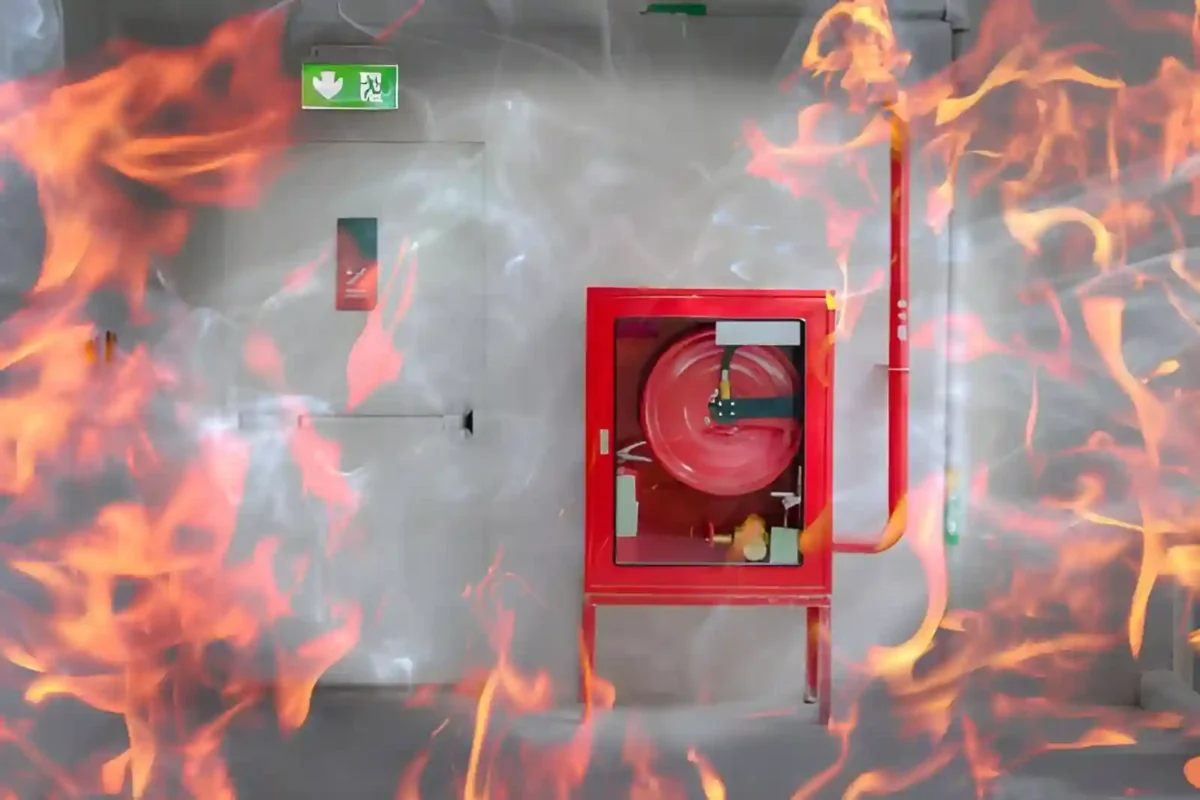
Regulatory frameworks mandate performance requirements for fire-resistant installations across building categories. Certified fire safety doors comply with established testing standards that verify heat resistance and structural reliability. Certification systems ensure uniform quality control across manufacturing processes. Fire door regulation establishes compliance requirements for installation accuracy and material performance. Inspection protocols verify alignment, sealing, and hardware stability under operational conditions. Compliance assessment includes documentation review and physical condition evaluation. Enforcement bodies monitor adherence to approved fire safety codes. Maintenance requirements ensure continued operational reliability over time. Safety governance frameworks focus on risk reduction through controlled compartmentation systems. Regulatory consistency improves overall structural safety performance across occupied environments.
Where Fire Safety Doors Are Required in Buildings
Structural design planning identifies critical zones where fire resistance barriers are necessary. Fire door inspectors are installed in escape routes, stairwells, and corridor entry points. Certified fire safety doors also protect compartment boundaries between high-occupancy areas and service sections. Safety zoning principles determine placement across multi-level structures. Access control systems integrate with fire-rated barriers for improved containment efficiency. Material resistance standards are suitable for different structural zones. Load-bearing considerations influence installation positioning within building layouts. Internal partition systems rely on controlled access points for fire limitation. Airflow restriction improves safety within enclosed passageways. Protection strategies focus on limiting fire migration across interconnected spaces. Structural safety planning prioritizes containment at key transition points between sections. Fire-resistant installations maintain safe passage conditions during emergencies.
Types of Certified Fire Safety Doors
Material composition determines the classification of fire-resistant door systems used in controlled environments. Certified fire safety doors include timber-based, steel-based, and composite core variations. Fire door inspectors assess structural performance and installation accuracy during evaluation processes. Timber variants offer balanced resistance with natural insulation properties. Steel variants provide high durability under extreme heat exposure. Composite systems combine multiple materials for enhanced performance and stability. Sealing technology influences smoke control effectiveness across different designs. Hardware selection impacts operational reliability under thermal stress conditions. Frame integration ensures consistent alignment with surrounding structures. Testing classification defines resistance duration ratings under standardized conditions. Manufacturing consistency ensures uniform quality across production groups. Structural design influences durability and performance stability under repeated usage cycles. Fire door audit processes verify compliance across installation standards, while fire door regulation frameworks define required safety benchmarks.
How to Choose the Right Fire Safety Door
Selection criteria focus on structural compatibility and resistance classification requirements. Certified fire safety doors must align with building design specifications and safety expectations. Material strength influences suitability for specific installation zones. Fire door audit processes evaluate compliance with installation and performance standards. Certification labels confirm adherence to tested resistance levels. Hardware quality affects operational reliability under pressure conditions. Frame compatibility ensures proper sealing efficiency across door systems. Environmental exposure considerations influence material selection decisions. Maintenance accessibility improves functionality and inspection efficiency. Installation accuracy determines overall system effectiveness under emergency conditions. Performance ratings guide selection based on structural safety requirements. Quality assurance verification ensures consistency across selected components.
Installation and Maintenance Guidelines
Proper installation procedures ensure performance reliability across fire-resistant systems. Certified fire safety doors require precise fitting to maintain sealing effectiveness. Structural alignment ensures correct closure under thermal expansion conditions. Certified fire safety doors depend on accurate hardware placement for operational stability. Maintenance routines include regular inspection of seals, hinges, and closing mechanisms. Surface condition checks identify early signs of wear or misalignment. Adjustment procedures restore proper functionality after mechanical stress exposure. Cleaning protocols maintain seal effectiveness without damaging fire-resistant components. Documentation records track maintenance history and inspection outcomes. Replacement schedules ensure continued compliance with safety standards. Structural integrity monitoring long-term reliability across installations.

How Fire Safety Doors Improve Emergency Evacuation Time
Controlled compartment systems influence movement efficiency during critical evacuation scenarios. Certified fire safety doors maintain clear escape routes by limiting fire spread into corridors. Smoke restriction improves visibility within exit pathways. Certified fire safety doors preserve the structural integrity of evacuation zones under heat exposure. Reduced fire progression allows additional time for safe relocation. Door closure mechanisms maintain separation between affected and safe areas. Air quality control enhances breathing conditions during movement through exits. Structural containment reduces panic conditions across occupied spaces. Clear passage maintenance organized relocation across multiple levels. Safety zoning improves directional flow toward designated exit points. Controlled exposure limits improve survival conditions within internal structures.
Role of Fire Safety Doors in Smoke Control and Containment
Smoke movement represents a major risk factor during internal fire events. Certified fire safety doors restrict smoke passage through sealed perimeter systems. Heat-activated seals expand to block airflow channels. Certified fire safety doors maintain compartment integrity under pressure variations caused by fire activity. Smoke containment improves visibility within unaffected zones. Air pressure control reduces the rapid spread across interconnected areas. Structural barriers maintain separation between smoke-affected and safe sections. Material resistance ensures stability under prolonged exposure conditions. Controlled sealing technology improves internal air quality management. Fire progression limitation depends on effective compartment design. Safety zoning systems rely on barrier efficiency to maintain operational stability during emergencies.
Frequently Asked Questions
Heat-resistant barriers reduce rapid flames and maintain safer movement through internal spaces, providing overall protection.
Specially designed panels limit airborne particles and keep corridors clearer during emergencies across shared zones.
Structural separation methods help preserve exit paths and reduce internal hazard movement significantly, improving overall stability.
Controlled airflow restriction slows internal spread and maintains visibility across evacuation pathways during critical moments.
Fire-rated systems improve containment performance and safer structured building movement under pressure conditions.
Conclusion
Building safety frameworks rely on compartment control and verified performance standards. Fire safe remains central to limiting internal fire movement across protected zones. Structural stability under heat exposure allows safer separation between affected and safe areas. Certified fire safety doors contribute to controlled containment that reduces the rapid spread of flame and smoke through enclosed pathways. Compliance structures depend on tested materials and precise installation standards that maintain reliability. Regular assessment of sealing systems and mechanical hardware strengthens overall performance consistency across building layouts. Fire resistance design improves evacuation pathways by preserving corridor usability during critical conditions. Operational reliability depends on continuous maintenance routines that preserve alignment and sealing efficiency. Safety governance systems prioritize verified door systems as a core element of risk reduction strategies.
About the Author: LandlordCertificate

Related Posts

Recent Posts
- Residential EICR London: Complete Electrical Safety Inspection Guide for Landlords & Homeowners
- Property Owners and Landlords Across London
- Emergency Lighting Assessment Failure Signs: 4 Critical Indicators Your System Needs Immediate Attention
- Annual Fire Alarm Inspection Checklist and Industrial Facility Solutions Safety Plan: 5-Step Shield
- Fuse Box Installation by a Certified Fuse Box Electrician for Circuit Failures and Safety Control






Get Social