




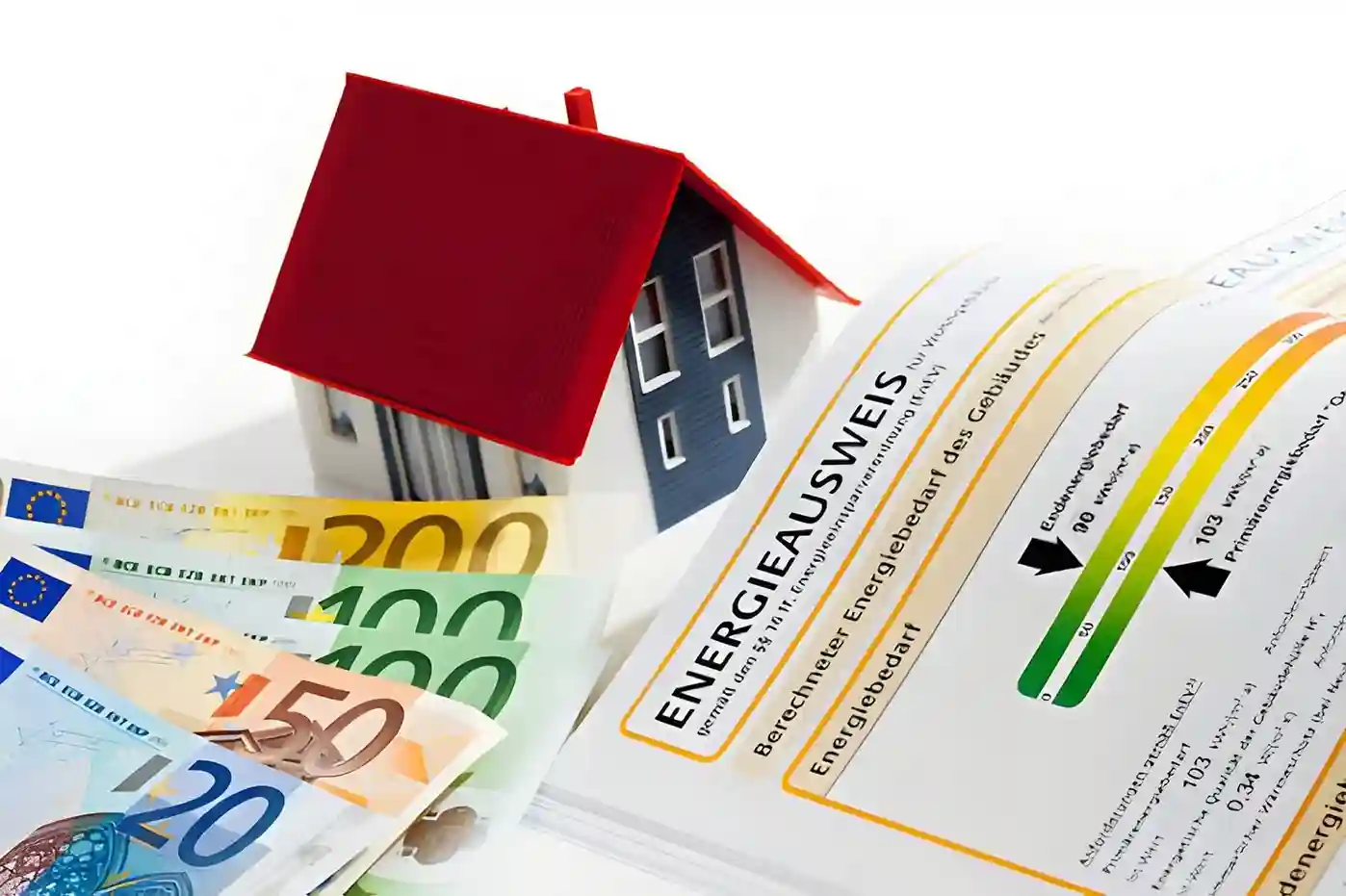
An EPC certificate shows how well a property uses energy and whether it meets the rules set by law. It helps owners and buyers see the energy rating of a building and find ways to save energy. Getting an EPC certificate ensures that homes and offices follow the energy rules in place. Assessors check things like insulation, heating, and lights to give a rating. Offices and shops need extra care because they use energy in different ways than homes. EPC for businesses helps them stay on the right side of the law while also saving money. The certificate also shows where spending on energy upgrades will help the most. You often need a certificate before you can rent out, sell, or do big work on a building. Affordable commercial EPC services make this easy for people who own more than one property. Commercial papers help things go smoothly during checks or property deals. Keeping your certificate up to date shows you care about energy and the environment.
Key Takeaways
- The EPC certificate shows the building’s energy performance
- Certificates support legal compliance and audits
- Inspectors verify heating and insulation efficiency
- Common issues include outdated systems and poor insulation
- Updates reflect renovations and operational changes
- High ratings improve the market appeal of properties
- Documentation ensures accurate and reliable assessment
- Certificates influence rental and sale negotiations
- Renewal maintains legal validity and credibility
- Proper management strengthens energy efficiency
What an EPC Record Covers in Detail
An EPC record gives a full look at how a building uses energy. It covers how well the heating works, how good the lights are, and how thick the insulation is. The certificate also points out what changes could lower energy use and cut costs. Commercial reports may also look at machines and office systems that use a lot of energy. An EPC certificate makes things clear for anyone who wants to know how a building performs. Assessors take exact readings and show the energy rating on a simple scale. EPC compliance is met when the certificate matches the national energy rules. Affordable commercial EPC solutions give clear paperwork without making things hard. The certificate also gives tips on how to get a better energy rating and reduce harm to the environment. Going through this process means the building meets today’s energy standards. Checking energy use over time with the certificate helps with long-term planning.
How an EPC Documentation Supports Legal Compliance
An EPC documentation is official proof that a property meets energy performance rules. The law says you need one before renting or selling certain buildings. Not having one can lead to fines or slow down property deals. The certificate shows that the building follows energy codes and building rules. Assessors check that all systems and equipment are working as they should. EPC compliance for them passes audits and runs more sustainably. Affordable commercial EPC services make it easier to stay compliant across many properties. Keeping your EPC certificate current stops legal problems and keeps things clear. EPC papers give proof of energy performance to people who want to rent or buy. Updating the certificate when things change in the building keeps it accurate. Good management means you stay compliant for the full life of the property.
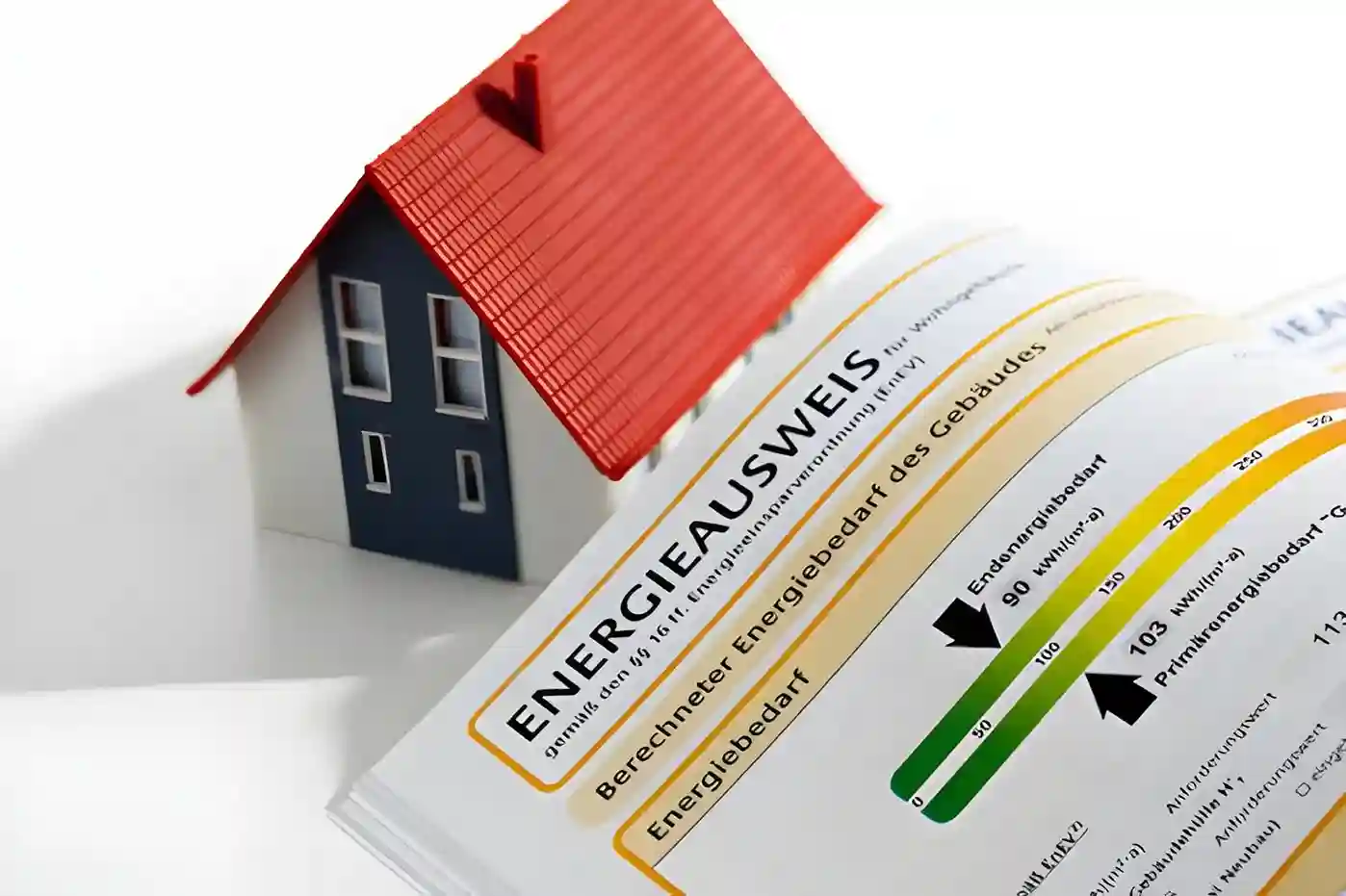
Common Issues Found During EPC Assessments
Assessors often find poor insulation, old heating systems, and bad lighting during checks. These things lower the energy rating on the EPC certificate. Skipping regular maintenance or using old equipment makes things worse. Commercial unit EPC reports often show problems with air systems, ventilation, and electricity use. Affordable EPC providers point out what needs fixing without making it complicated. EPC compliance businesses mean dealing with these problems to meet the rules. The certificate lists what improvements to make and how they will help the rating. Leaving problems unfixed can slow down property deals or make a building less attractive to renters. Assessors also find missing paperwork or records that affect the certificate. Staying on top of things means the certificate always gives a true picture. Fixing problems leads to better ratings and a more sustainable building.
Updating Your EPC Certificate When Needed
If a building is being fixed up or getting new systems, the certificate needs to be updated. Assessors will look again at the insulation, heating, and lighting to create a new certificate. Commercial unit EPC updates make sure the certificate reflects current energy use. Affordable commercial services offer easy scheduling for updates at many sites. EPC compliance for businesses means keeping certificates valid and up to date. Updating the EPC certificate builds trust with renters and buyers. New systems or upgrades can improve the energy rating, and this will show in the new certificate. Authorities use updated certificates during checks and property deals. Having a current certificate stops any wrong information from being given about a building. Keeping up with updates keeps the building in line with changing energy standards. This process makes sure everything stays clear and helps people make smart investment choices.
Impact of EPC Ratings on Property Value
A certificate affects how a property looks in the market. A high energy rating usually means more interest from renters and buyers who care about the environment. A low rating shown on the certificate may mean money needs to be spent on improvements. Commercial unit EPC documents tell buyers and renters what they can expect from a property. Affordable commercial services help show where ratings can be improved without delays. EPC compliance for businesses builds a good name as an energy-aware operator. The certificate gives a clear and honest view of where a building does well and where it needs work. Managing energy ratings well helps with better rent deals and higher sale prices. People looking to rent or buy often look at the EPC certificate when making their choice. Keeping a high rating makes a property more competitive and more cost-effective over time.
Essential Documents Required for EPC Assessment
To do a proper assessment, assessors need building plans, details of systems, and past inspection records. These documents help produce a valid EPC certificate. EPC checks often need extra data on machines, lighting, and air systems. EPC for businesses depends on having correct and complete records. Affordable EPC providers help make gathering and sending documents easy. An EPC reflects what was checked on-site, so the information must be accurate. Papers about insulation, heating, and energy systems help make the assessment thorough. Keeping records up to date makes it easier to get or renew the certificate. Assessors compare documents with what they see on-site. Good documentation leads to more accurate ratings and easier compliance checks.
How Certificates Affect Rental and Sale Properties
A certificate is proof of energy performance when renting or selling a property. A low rating can affect how easy it is to sell and how much you can ask for. A high rating gives an advantage when finding renters or buyers. Commercial unit EPC certificates show energy strengths and areas that need work. EPC compliance for businesses reassures people that the building is run well and legally. Affordable commercial services give reliable certification for many rental or sale properties. Assessors make sure the EPC certificate truly reflects how the building performs. A well-kept certificate builds confidence in buyers and renters. Certificates also show where upgrades can raise the energy rating. Accurate paperwork makes property deals run more smoothly and adds to the long-term value of the asset.
Validity Period and Renewal of EPC Certificates
EPC certificates are only valid for a set period of time, after which they must be renewed. Renewal means a new inspection and a fresh look at building energy use. Commercial unit renewals make sure certificates stay current with any operational changes. Affordable commercial providers make renewal easy across many sites. EPC compliance for businesses requires that certificates stay within the legal time limit. Renewal checks include improvements to heating, lighting, and insulation. Assessors produce an updated EPC certificate with the latest energy ratings. Authorities use current certificates for property checks and approvals. Renewing on time means there are no gaps in compliance. Keeping certificates valid adds to a building’s credibility and supports good energy management.

Role of Inspectors During EPC Evaluations
Assessors carry out detailed checks of a building’s energy systems to produce an EPC certificate. Inspections cover heating, lighting, insulation, and ventilation. Commercial inspections may also look at heavy machinery and energy-intensive systems. EPC for businesses depends on detailed and accurate inspection reports. Affordable services use skilled assessors with thorough methods. Assessors make sure all the data supports the correct rating on the EPC certificate. Their reports point out where improvements can be made and where the rules are not being met. Certificates produced after inspections serve as legal proof of energy performance. Assessors also go through records and system details to avoid mistakes. Thorough inspections mean reliable certificates for both legal and day-to-day use.
Frequently Asked Questions
Regular inspections maintain safety standards and confirm systems operate efficiently across all functional building areas
Scheduled reviews verify compliance expectations and reduce operational risks through consistent monitoring and documentation practices
Assessments focus on insulation, lighting, ventilation, and heating systems to determine overall performance and reliability levels
Identified deficiencies require corrective actions, system upgrades, and verification checks to restore acceptable performance conditions.
Accurate records support transparency, regulatory alignment, and informed decisions during evaluations and future planning processes.
Conclusion
Keeping an EPC certificate current supports energy efficiency, legal compliance, and property value. Commercial unit papers and affordable commercial EPC services make management and verification simple. EPC compliance strengthens credibility and supports a more sustainable way of working. Regular updates and inspections keep certificates accurate and legally valid. Managing the EPC certificate well improves property performance, transparency, and long-term appeal.
About the Author: LandlordCertificate

Related Posts

Recent Posts
- Emergency Lighting Assessment Failure Signs: 4 Critical Indicators Your System Needs Immediate Attention
- Annual Fire Alarm Inspection Checklist and Industrial Facility Solutions Safety Plan: 5-Step Shield
- Fuse Box Installation by a Certified Fuse Box Electrician for Circuit Failures and Safety Control
- What are the Most Important Electrical Safety Checks in Commercial Landlord EICR Buildings?
- Can You Complete an Extinguisher Safety Test In-House to Save Money?



Get Social