



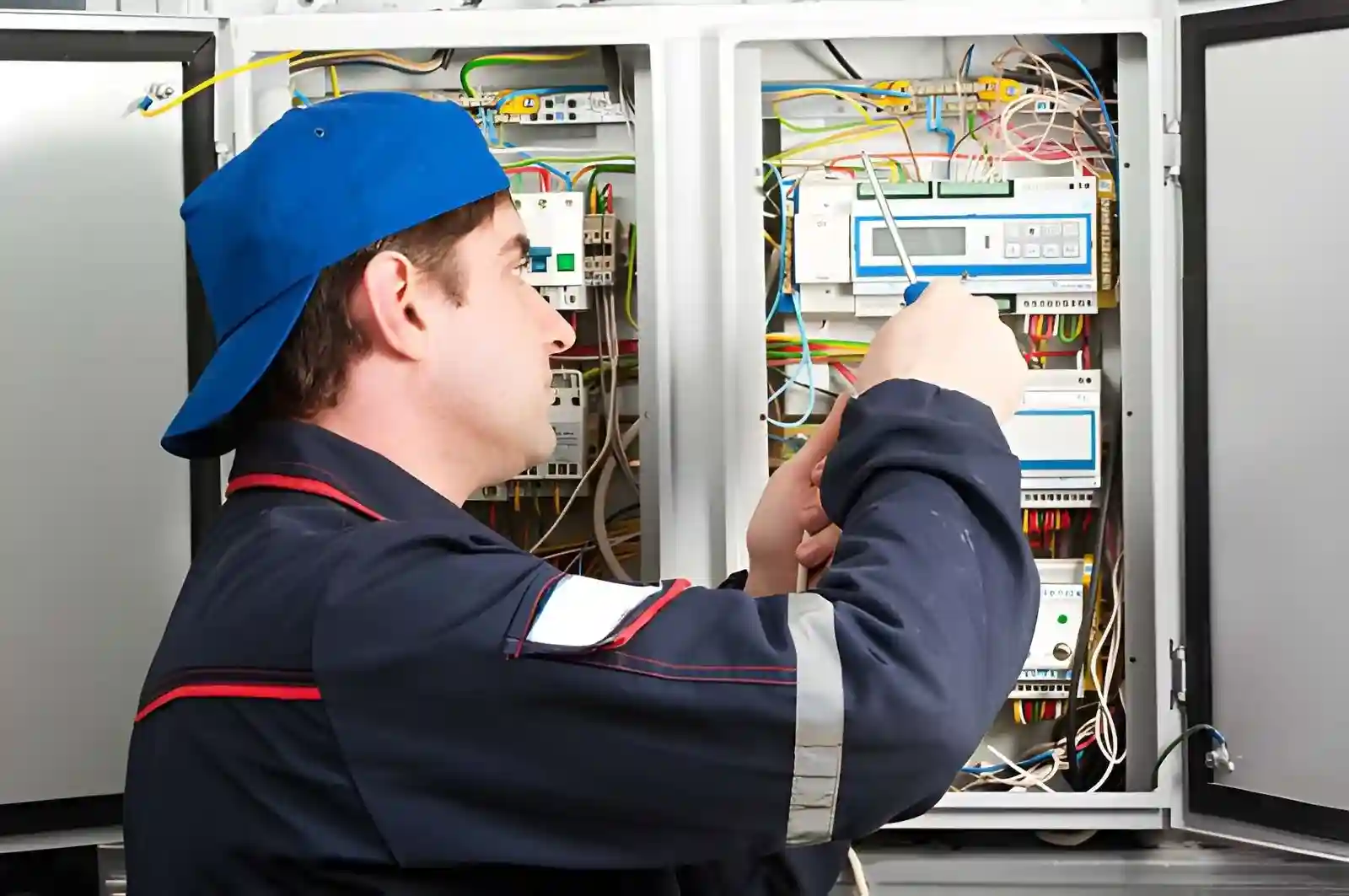
Electrical safety checks cover several systems inside commercial properties, and circuit inspection focuses on hidden faults and performance stability. Wiring assessment helps ensure safe energy flow across installations. Equipment review finds damage and early wear signs. Emergency systems receive checks for steady work. A commercial landlord EICR provides a structured assessment of electrical systems and helps verify compliance with current safety regulations. Documentation helps maintenance planning and safety verification, and risk reduction improves working continuity across building assets. Audit reports assist decision-making for safety management, and safety oversight completes the structured compliance assurance process framework.
Key Takeaways
- Safety checks reduce hidden electrical risk
- Wiring checks find faults at an early stage
- Circuit review improves load balance
- Fault equipment check prevents damage risk
- Emergency lights ensure safe exit support
- Fire safety systems need regular testing
- Maintenance Planning and Inspection Frequency
- Overloaded circuits raise the fire risk level
- Expert checks improve safety compliance
- Maintenance planning improves system life
Circuit Inspections in Commercial Landord EICR Reports
Wiring and circuit inspection focuses on checking internal electrical pathways, connection strength, insulation condition, and load distribution across different sections of a property, while commercial landlord EICR provides a structured evaluation method that highlights faults, weak points, and potential overload risks that may not appear during normal operation.
Why Wiring Inspections Are Essential for Electrical Safety
Proper wiring inspections help identify hidden faults before they develop into serious safety hazards. Regular assessments support reliable electrical performance and reduce the likelihood of system failures.
Common Circuit Issues Found During EICR Testing
Commercial EICR inspections frequently identify overloaded circuits, damaged insulation, loose connections, and ageing wiring systems that may compromise safety and efficiency.
Electrical Regulations and Compliance Standards for Commercial Buildings
British commercial property owners schedule EICR inspections in line with BS 7671 (IET Wiring Regulations), which define electrical installation safety criteria. These rules ensure that every fixed cable system in industrial structures meets the required level of performance and security.
Understanding BS 7671 Wiring Regulations
To ensure installations are tested and approved to reduce hazards such as fire, electric shock, and system failure, electrical safety checks should also meet legal obligations for business property owners and duty holders.
NICEIC and NAPIT Certification Requirements
Typically registered with a recognised professional organization as NICEIC or NAPIT, certified electricians generate EICR reports. These certificates show that the inspector is capable, qualified, and permitted to evaluate national standards properly.
Detecting Faulty or Damaged Electrical Equipment
Inspections of faulty or damaged electrical equipment help identify early signs of wear, overheating, insulation breakdown, and other issues that may affect safety across commercial systems.
Visual Inspection of Equipment Condition
Check visible damage signs like cracks, burns, or loose parts affecting safe electrical functioning.
Overheating and Abnormal Heat Checks
Identify unusual heat around equipment, which may indicate overload, insulation damage, or internal electrical faults.
Performance and Function Stability Review
Observe irregular operation, such as flickering or power loss, showing possible hidden internal equipment faults.
Load Balance and Electrical Connection Checks
Review electrical load and connections to find imbalance, loose wiring, or unsafe contact points.
EICR Testing for Fault Verification
Apply commercial landlord EICR and EICR testing to confirm hidden faults and guide maintenance actions.
Emergency Lighting and Fire Safety System Checks
Emergency lighting and fire safety checks focus on ensuring that evacuation systems, backup lighting, and alarm circuits function correctly during power failure or emergencies, while commercial EICR provides a structured inspection of these systems to confirm performance readiness and detect faults that may reduce safety performance.
Importance of Emergency Lighting Inspections
Emergency lighting systems support safe evacuation during power outages and help occupants exit the building safely during emergencies.
Fire Alarm and Safety Circuit Testing
Routine testing ensures fire alarms, emergency circuits, and related safety systems remain operational when needed most.
How Often Should Commercial Electrical Safety Checks Be Carried Out?
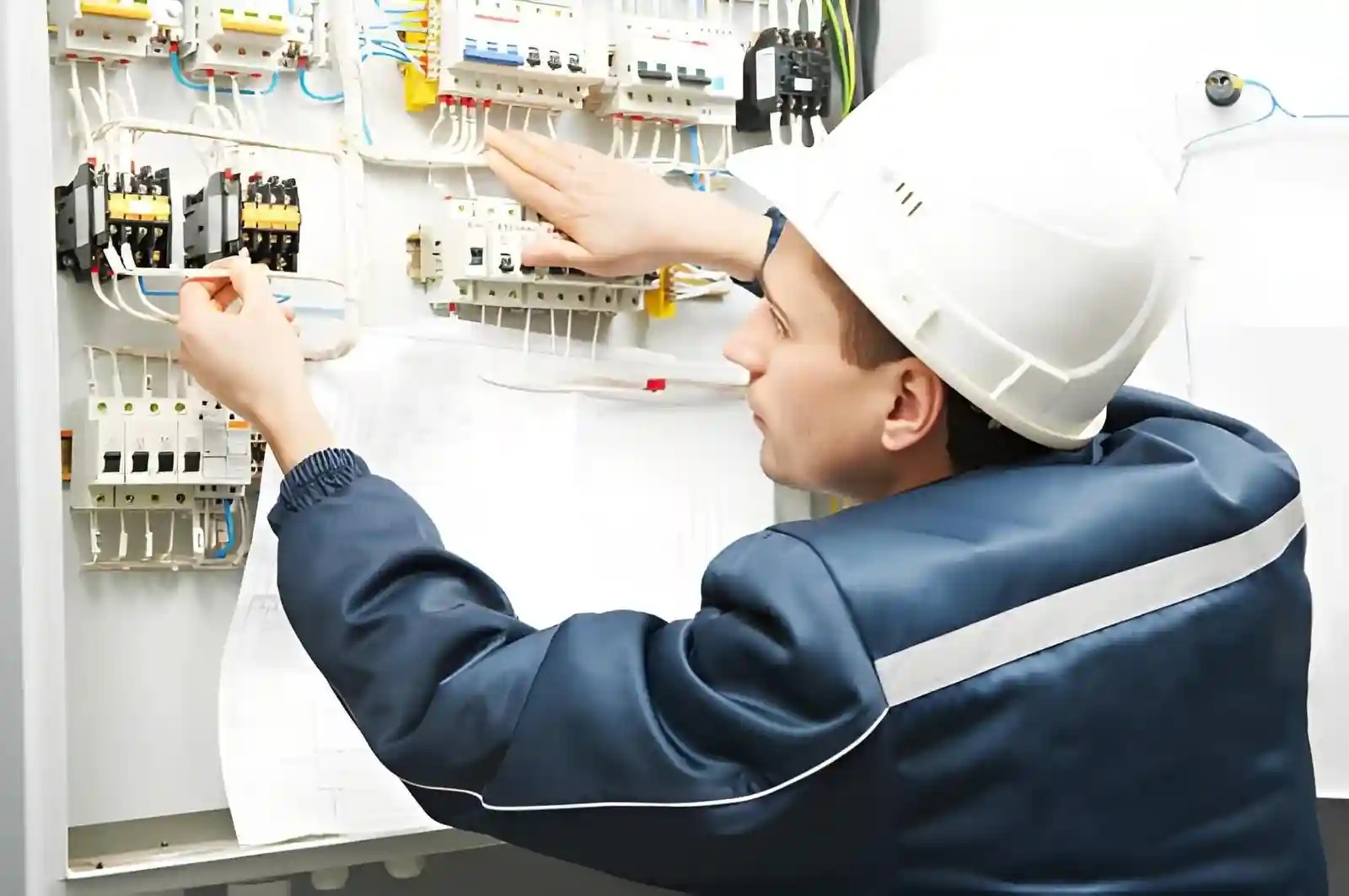
Electrical safety check frequency in commercial properties depends on system usage level, load demand, and overall electrical condition, while EICR provides a structured schedule approach that helps determine correct EICR inspection intervals based on system performance and risk level.
Benefits of Regular Commercial landlord EICR Inspections
Early fault detection helps to better plan for electrical safety management and guarantee commercial system stability and dependability under continuous use across many property types, therefore lowering unexpected failure risks and improving tracking of system health and maintenance history.
Maintenance Planning for Long-Term Electrical Safety
Proactive maintenance planning helps extend equipment lifespan, reduce repair costs, and improve overall system reliability.
Identifying Overloaded Circuits During an EICR Inspection
Identification of overloaded circuits focuses on excess electrical load, uneven power flow, and heat stress inside wiring systems that may cause failure or fire risk, while commercial landlord EICR gives a structured review of circuit balance, and EICR testing detects current issues and insulation strain to improve safe load distribution.
Signs of Circuit Overloading
| Area Checked | What It Means | Safety Impact |
|---|---|---|
| Circuit load | Power balance review | Reduces overheating risk |
| Wiring stress | Heat and strain detection | Prevents failure |
| Current flow | Irregular power movement | Improves system stability |
| Insulation condition | Cable protection check | Lowers fire risk |
Risks Associated With Overloaded Electrical Circuits
Overloaded circuits can cause overheating, equipment damage, electrical failures, and increased fire hazards if left unresolved.
Expert Commercial EICR Recommendations for Better Electrical Safety
Expert recommendations for electrical safety focus on structured assessment, technical review, and clear identification of system risks that may affect performance and compliance, while commercial Landlord EICR provides a structured inspection method that helps evaluate electrical condition across circuits, equipment, and safety systems, and An EICR provides detailed reports highlighting faults, observations, and recommended maintenance actions.
Improving System Reliability Through Professional Inspections
Professional inspections help identify hidden electrical risks, support maintenance planning, and improve the long-term reliability of commercial electrical systems.
Why Urgent EICR Inspections May Be Necessary
Overloaded circuit checks identify areas where excessive electrical demand may cause overheating, equipment damage, or fire hazards. EICR testing helps detect these issues early and supports safer system operation.
Key Areas Reviewed During Urgent EICR Assessments
- High Electrical Load Detection
- Uneven Power Flow Checks
- Heat and Wire Stress Evaluation
- Electrical Risk Reduction Measures
Frequently Asked Questions
It improves safety, reduces faults, and keeps systems stable across commercial property operations.
It finds weak connections, damaged insulation, and helps prevent electrical hazards early.
Ensures alarms, breakers, and protection systems work correctly during emergencies.
It shows uneven power use, circuit stress, and helps prevent system overload issues.
Helps maintain safe operation, reduces faults, and avoids unexpected electrical breakdowns.
Conclusion
Electrical safety in commercial buildings depends on regular inspections, proactive maintenance, and timely fault detection across wiring, circuits, equipment, and emergency systems. A commercial landlord EICR helps identify safety risks, improve system performance, and support ongoing compliance with electrical safety standards. This method allows stable infrastructure performance to be maintained and risk to be reduced across commercial property environments through ongoing assessment and monitoring.
Get Professional Commercial Landlord EICR Support
Clear safety planning always needs a professional for accurate results and proper compliance guidance, so contact Landlord Certificate London for trusted help, fast response, and complete support for electrical safety needs.
About the Author: HarisAdmin

Related Posts
Recent Posts
- Commercial EICR London: Business Electrical Testing & Workplace Compliance Guide
- Residential EICR London: Complete Electrical Safety Inspection Guide for Landlords & Homeowners
- Property Owners and Landlords Across London
- Emergency Lighting Assessment Failure Signs: 4 Critical Indicators Your System Needs Immediate Attention
- Annual Fire Alarm Inspection Checklist and Industrial Facility Solutions Safety Plan: 5-Step Shield


Get Social