



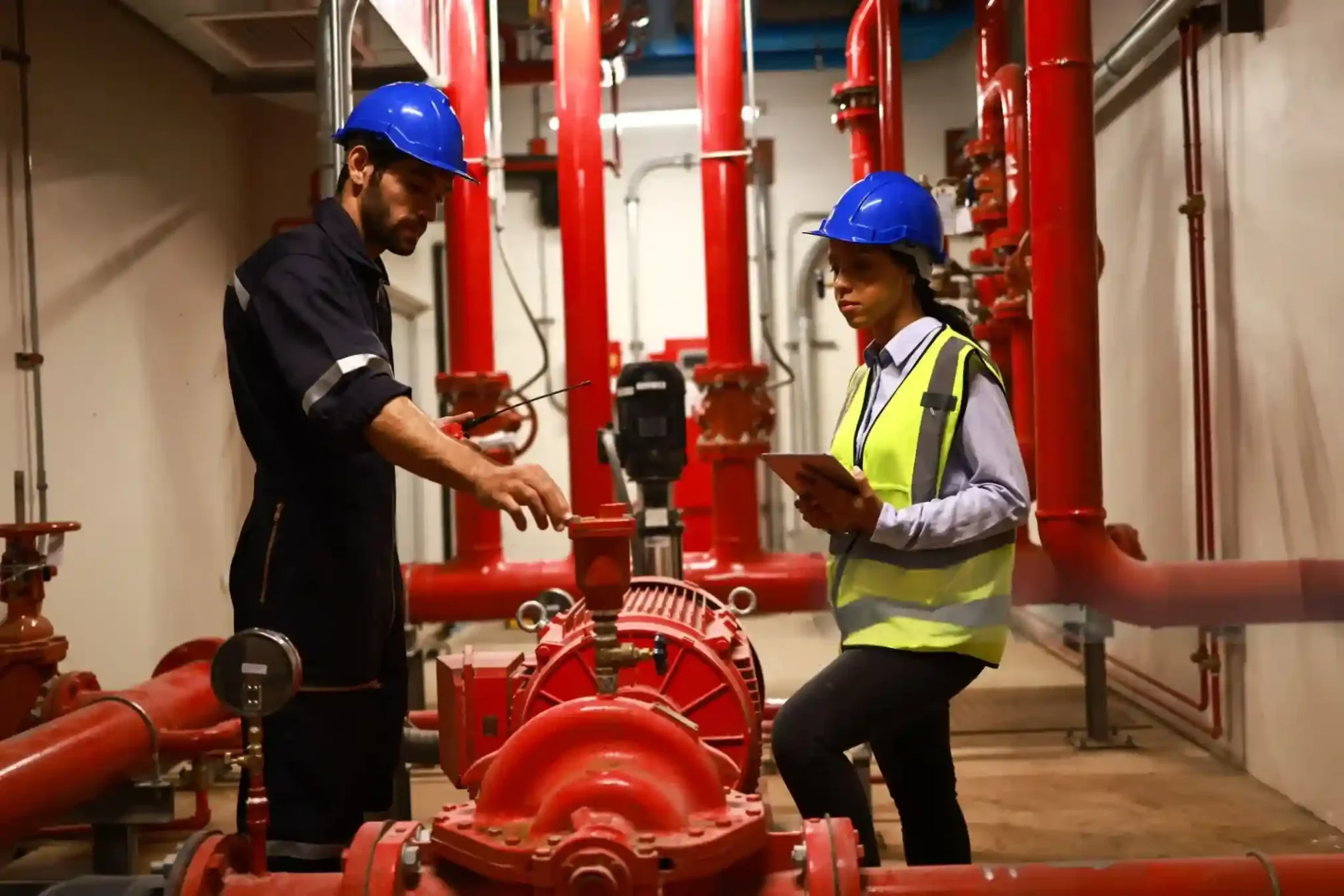
Fire protection is not just about having a smoke alarm on the ceiling or an extinguisher by the door. A safe building needs different fire safety measures working together.
The right fire protection systems can provide an early warning, help slow the spread of fire and smoke, support a safe escape, and make it easier to respond in an emergency.
For landlords, business owners and property managers, fire safety also needs regular attention. Buildings change, tenants change, equipment gets older, and new risks can appear over time.
This guide explains the main types of fire protection systems, how they work, and why regular checks matter.
What Are Fire Protection Systems?
Fire protection systems are the equipment and building features used to reduce the risk and impact of a fire.
Some systems detect a fire and warn people. Others help contain the fire or provide a safe route out of the building.
A complete fire safety setup may include:
- Smoke and heat detectors
- Fire alarm systems
- Fire extinguishers
- Fire doors
- Emergency lighting
- Fire-resistant walls and floors
- Fire stopping around pipes and cables
- Sprinklers or other suppression systems
- Escape route signs
- Fire alarm control panels
The exact systems needed depend on the type of property, its size, layout, use and the people who occupy it.
This is why a proper Fire Risk Assessment should usually be the starting point when reviewing fire safety.
Active and Passive Fire Protection
Fire protection is normally divided into two broad areas: active protection and passive protection.
Active Fire Protection
Active systems respond when a fire starts or when someone discovers one.
A fire alarm, for example, detects smoke or heat and warns people to leave the building. Fire extinguishers allow a suitable trained person to deal with a small fire when it is safe to do so.
Sprinklers and other suppression systems can also respond automatically.
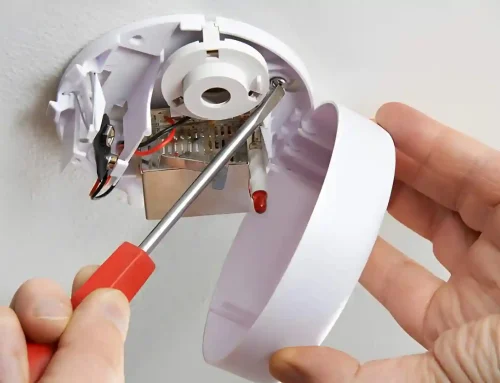
If your alarm system is old, damaged or no longer suitable for the property, professional Fire Alarm Installation can help make sure the building has an appropriate warning system.
Passive Fire Protection
Passive fire protection is built into the property.
It is designed to slow the movement of fire and smoke from one part of the building to another.
Fire doors are a common example. When installed and maintained correctly, they form part of the building’s fire separation and help protect escape routes.
Landlords and property managers who are unsure about the condition of existing doors can arrange a Fire Door Certificate and inspection.
Passive protection can also include fire-resistant walls, floors, ceilings and suitable fire stopping where services pass through them.
Both active and passive measures matter. A good alarm can provide an early warning, but people still need a safe route through the building.
Why Fire Risk Assessments Come First
Buying more fire safety equipment does not automatically make a building safer.
You first need to understand the risks.
A fire risk assessment looks at how a fire could start, who may be at risk, how people would escape and what precautions are already in place.
It can also identify areas that need improvement.
For many non-domestic premises, the person responsible for fire safety has legal duties under UK fire safety rules. GOV.UK explains that the responsible person must carry out and regularly review a fire risk assessment, put suitable fire safety measures in place and plan for emergencies.
You can read the official guidance on the GOV.UK workplace fire safety page.
A risk assessment should also be reviewed when something important changes. This may include major building work, a different use of the premises or changes that could affect the people using the building.

Fire Protection Systems in Commercial Buildings
Commercial buildings can have very different fire risks.
An office will not necessarily need the same setup as a restaurant, warehouse, shop or block with mixed residential and commercial use.
The fire protection plan should match what actually happens inside the building.
Detection and warning are particularly important because people need enough time to react and leave safely.
London Fire Brigade describes fire alarm systems as an important part of a building’s fire prevention and detection arrangements. You can find more guidance on automatic fire alarms from London Fire Brigade.
Escape routes, emergency lighting and fire doors also need to work together.
If normal lighting fails during an emergency, people still need to be able to see their way towards an exit. Regular Emergency Light Testing can identify lights that are damaged or not working as expected.
Fire Extinguishers and First Response
Fire extinguishers can form an important part of fire protection, but simply putting an extinguisher in a building is not enough.
The right type needs to be chosen for the risk, positioned correctly and kept in working condition.
Different fires can involve different materials and equipment, so one type of extinguisher may not be suitable for every situation.
Extinguishers should also remain easy to reach and should not be hidden behind furniture, stored items or locked doors.
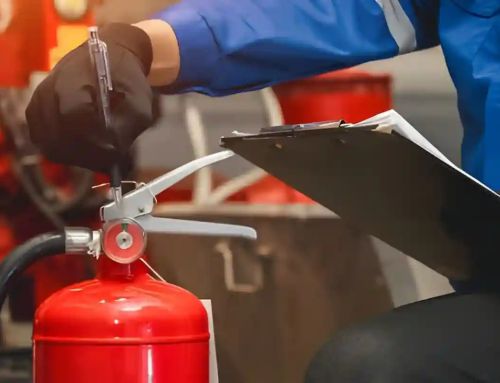
If you need to check the condition of existing equipment, Landlord Certificate London provides Fire Extinguisher Testing for properties in London.
Staff should also understand that personal safety comes first. An extinguisher should never be treated as a replacement for raising the alarm and getting people to safety.
Fire Doors Need Regular Attention
Fire doors often look like ordinary doors, which makes them easy to overlook.
However, damage to the door, frame, seals, hinges or closing mechanism can affect how well it performs.
A fire door should not be wedged open unless it has an approved system designed for that purpose.
It is also important to take damage seriously. Drilling holes, changing hardware or making unsuitable repairs can affect the door’s ability to provide fire resistance.
London Fire Brigade advises people not to make unauthorised alterations or repairs to fire doors because this can affect their performance.
Regular checks help find problems before an emergency happens.
Fire Protection During Renovations
Fire safety should be reviewed whenever a property goes through major renovation or refurbishment.
Changing a wall, creating a new room or moving a doorway can affect an escape route.
New electrical equipment may introduce different risks. Work passing cables, ducts or pipes through fire-resistant walls can also affect fire separation if openings are not properly sealed.
Alarm coverage may need to change when the layout changes too.
This is why fire protection should be considered during the planning stage rather than after all the building work has finished.
If the changes are significant, the existing fire risk assessment should also be reviewed.
Fire Safety in Older and Heritage Properties
Older buildings can create extra challenges.
Layouts may be unusual, escape routes may be narrow and modern fire protection systems may need to be installed without causing unnecessary damage to original features.
There is no single solution that suits every older property.
The aim should be to understand the risks first and then select measures that improve safety while taking the building’s construction into account.
Modern detection systems may sometimes allow less intrusive installation, but the final design should still be based on the needs of the property.
Fire Alarm Control Panels and Monitoring
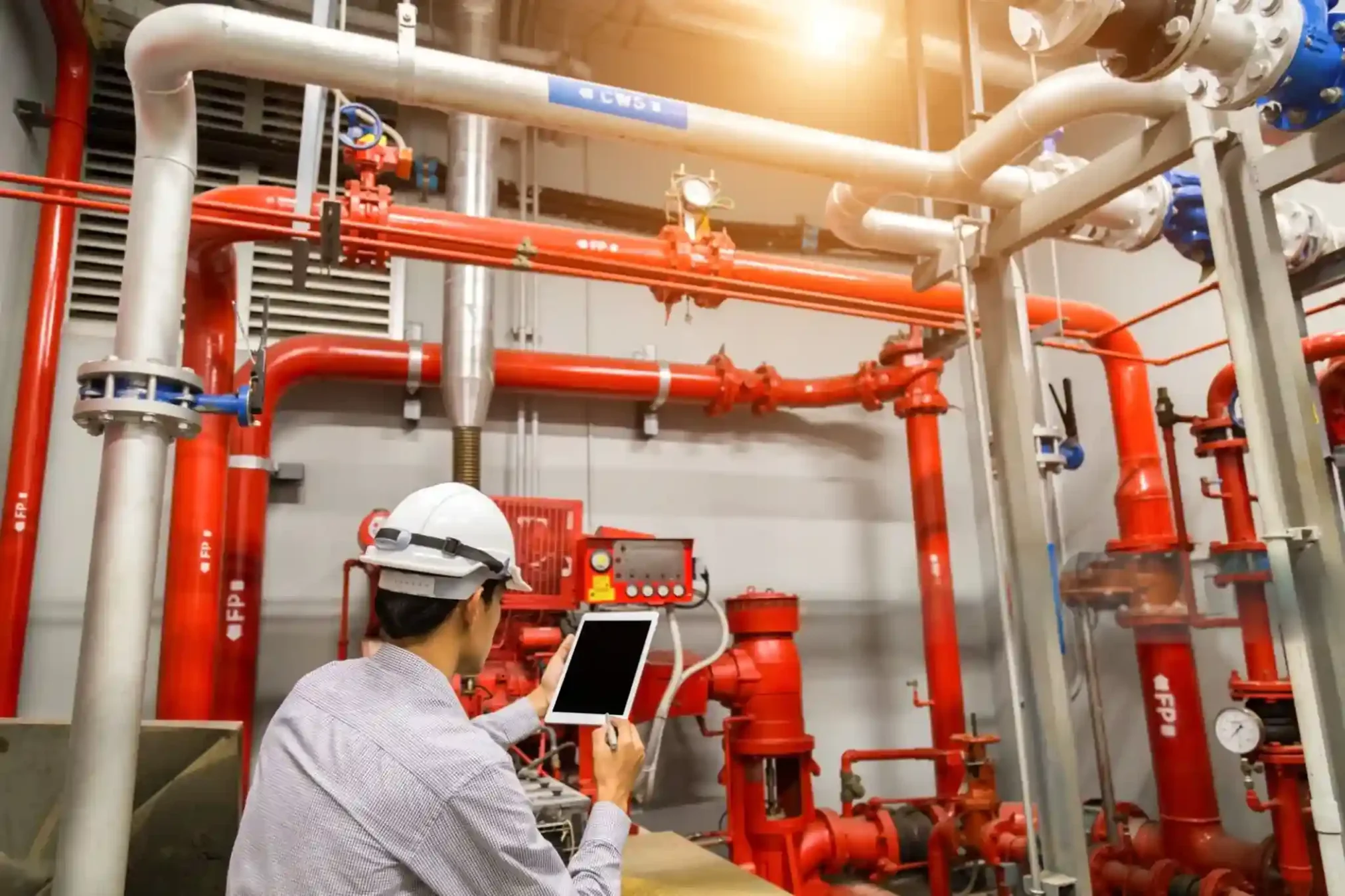
In larger fire alarm systems, the control panel provides important information about what is happening across the building.
It can show where an alarm has been activated and warn of faults within the system.
For staff or building managers, clear zone information can make it easier to understand where an alert has come from.
The panel should remain accessible to authorised people and should not be blocked by storage or other items.
A fault message should also be investigated rather than simply ignored or repeatedly reset.
A fire alarm is only useful when it can be relied on to work when needed.
Maintenance Is Just as Important as Installation
Installing fire protection equipment is only the beginning.
Alarms can develop faults. Emergency lights can fail. Fire doors can become damaged. Extinguishers can be moved or used.
Regular inspection, testing and maintenance help identify these problems.
Records are useful too. They make it easier for landlords and building managers to see when equipment was last checked, what problems were found and what work was carried out.
If you need a wider review of fire detection equipment at your property, you can also find information about the site’s Fire Safety Certificate service.
Fire Protection and Emergency Planning
Even good fire protection equipment needs to be supported by a clear emergency plan.
People should know how to raise the alarm, where the exits are and what they should do after leaving the building.
Escape routes should remain clear.
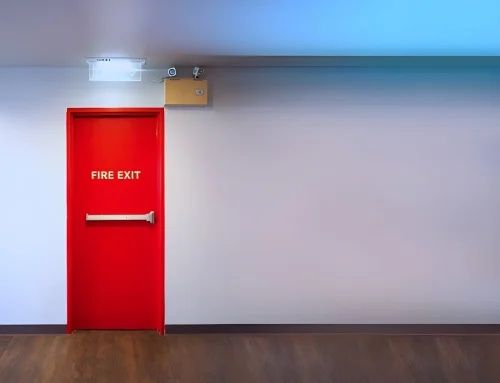
Emergency exits should not be blocked by stock, furniture, rubbish or stored equipment.
Where emergency lighting and fire safety signs are required, they should be positioned so people can find their way out even during difficult conditions.
London Fire Brigade provides further practical information about preparing a fire emergency plan.
Why Good Fire Protection Helps Protect Property Too
The first aim of fire safety is protecting people.
However, good fire protection can also reduce damage to the building and its contents.
Early detection can mean a fire is discovered sooner. Fire separation can slow its spread. A clear emergency plan can reduce confusion.
For businesses, this may also help reduce disruption after an incident.
This makes fire protection an important part of both safety management and responsible property management.
When Should Fire Protection Be Reviewed?
Fire safety should not be treated as a one-time job.
A review may be needed when the building layout changes, new equipment is installed, occupancy changes, a fire safety system develops a fault, or previous safety measures are no longer suitable.
The fire risk assessment should also be kept under review.
If you manage a rental property, HMO, commercial premises or other managed building in London, arranging a professional Fire Risk Assessment can help identify where improvements may be needed.
Frequently Asked Questions
A fire protection system is any equipment or building feature used to detect fire, warn occupants, support escape, limit fire and smoke spread, or help control a fire. This can include alarms, fire doors, extinguishers, emergency lighting and fire-resistant construction.
There is no single setup for every commercial property. The right measures depend on the building, how it is used, its layout, the number of people present and the risks identified during the fire risk assessment.
Fire prevention focuses on reducing the chance of a fire starting. Fire protection focuses on detecting, containing and responding to a fire if one does occur. A strong fire safety plan normally needs both.
A fire risk assessment should be kept under review and updated when necessary. It should also be reconsidered when significant changes to the property, its use or its occupants could affect fire safety.
No. Fire alarms provide warning, but they are only one part of fire safety. Safe escape routes, fire doors, emergency lighting, suitable firefighting equipment and good fire safety management may also be needed.
Keep Your Property Fire Safety Measures Up to Date
Fire protection works best when alarms, fire doors, emergency lighting, extinguishers and building management all support each other.
The right starting point is understanding the risks in your property.
Landlord Certificate London provides fire safety services for landlords, property managers and businesses across London, including Fire Risk Assessments, fire alarm installation, fire door inspections, extinguisher testing and emergency light testing.
If you are unsure whether your current fire protection measures are suitable, arrange an assessment before a small problem becomes a bigger one.
Book a Fire Risk Assessment or contact Landlord Certificate London for advice about your property.
About the Author: LandlordCertificate

Related Posts
Get Social
Recent Posts
- Emergency Lighting Assessment Failure Signs: 4 Critical Indicators Your System Needs Immediate Attention
- Annual Fire Alarm Inspection Checklist and Industrial Facility Solutions Safety Plan: 5-Step Shield
- Fuse Box Installation by a Certified Fuse Box Electrician for Circuit Failures and Safety Control
- What are the Most Important Electrical Safety Checks in Commercial Landlord EICR Buildings?
- Can You Complete an Extinguisher Safety Test In-House to Save Money?