



An annual gas safety check is one of the most important inspections a UK landlord or homeowner can arrange. Carried out by a Gas Safe registered engineer, the visit confirms that gas boilers, cookers, fires, pipework, and flues are operating safely without risking gas leaks, fires, or carbon monoxide exposure.
If you rent out a property in London, knowing what the engineer tests during those 30 to 60 minutes helps you prepare access, understand any observations raised, and keep your compliance paperwork in order.
| Inspection Stage | What the Gas Safe Engineer Checks |
|---|---|
| 1. Visual Inspection | Looks for damaged casings, scorch marks, incorrect appliance positioning, and blocked room ventilation. |
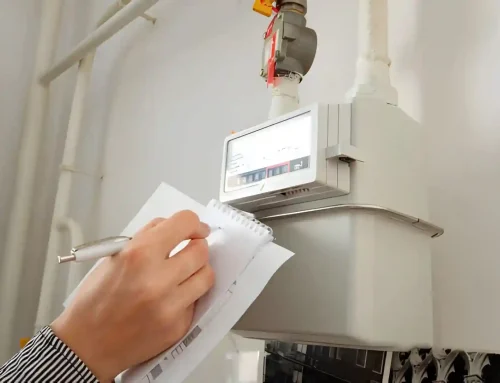
| 2. Gas Pipework & Tightness | Checks the Emergency Control Valve (ECV), visible copper pipework, and runs a tightness test at the meter. |
| 3. Vents, Chimneys & Flues | Inspects flue joints, external terminals, and airflow clearances so combustion gases vent safely outdoors. |
| 4. Appliance Safety Tests | Measures operating pressure, burner flame picture, and safety cut-off devices on every landlord-supplied unit. |
1. Visual Inspection
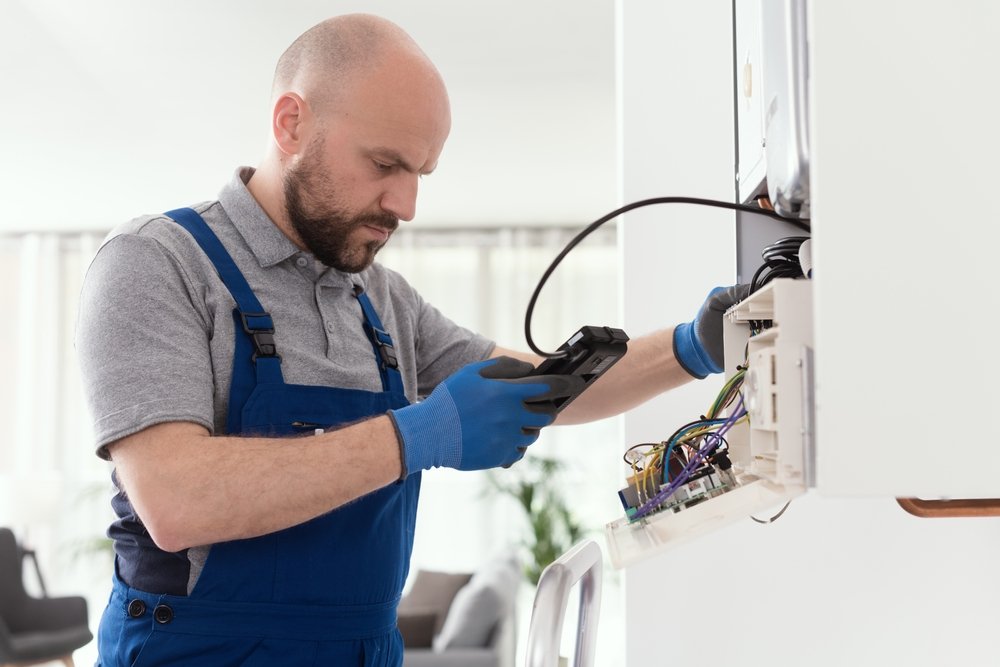
Every annual Gas Safety Certificate (CP12) check begins with a careful visual examination of each appliance and its surroundings. Before touching any controls, the engineer checks that the boiler, gas hob, or gas fire sits securely in a safe position with no cracked casings, loose panels, or combustible items stored too close to hot surfaces.
They also verify that permanent air vents are clear and have not been painted over or blocked by residents, as open-flued appliances rely on steady air supply to burn gas cleanly.
2. Gas Pipework and Tightness Testing
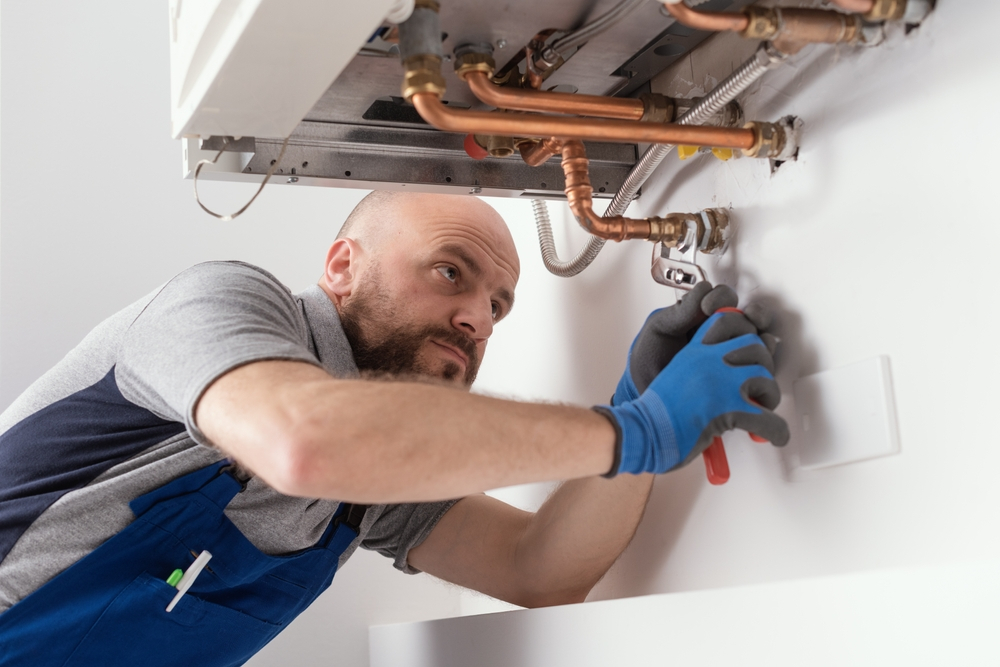
Next, the engineer checks the internal gas supply pipework from the gas meter through to each appliance. They confirm the Emergency Control Valve (ECV) at the meter turns freely so gas can be shut off rapidly in an emergency, check visible pipe clips and joints for corrosion, and perform a gas tightness test using a calibrated manometer to verify there are no hidden leaks.
Landlords are legally responsible for maintaining all supplied gas pipework, appliances, and flues in safe condition, so arranging timely access with tenants each year prevents missed deadlines and enforcement notices.
3. Vents, Chimneys, and Flues
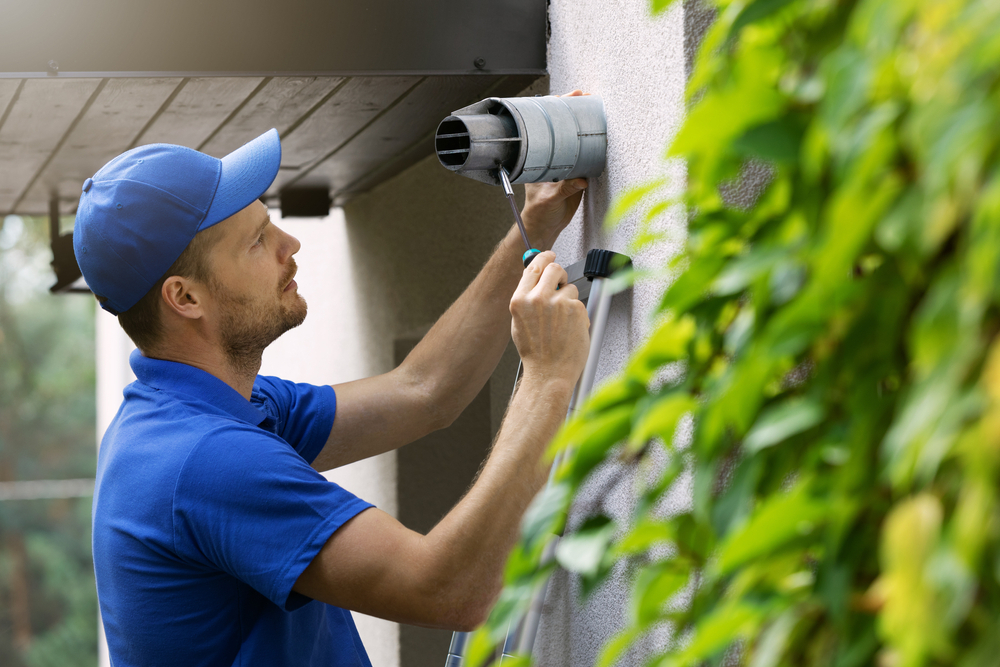
A blocked, disconnected, or corroded flue can force dangerous exhaust fumes back into living spaces instead of venting them safely outside. During the check, the engineer inspects the entire accessible flue route (including loft spaces if applicable), confirms joints are properly sealed, and checks external flue terminals for obstructions such as birds’ nests, leaves, or frost damage.
Faulty flues are a leading cause of carbon monoxide exposure, a colourless and odourless gas highlighted in NHS carbon monoxide poisoning guidance. Fitting an audible carbon monoxide alarm in any room containing a fixed combustion appliance provides vital everyday protection between annual visits.

“Across London flats, one of the quickest ways a CP12 appointment gets held up is a boxed-in boiler flue with no inspection hatches, or a tenant who has stuffed tissue into a wall vent to stop a draught. Checking that your meter cupboard and flue hatches are clear before the engineer arrives keeps the inspection smooth and avoids return visits.”
4. Appliance Testing and Landlord Records
Finally, the engineer tests each landlord-owned gas appliance under working conditions, checking burner pressure, gas rate, flue gas combustion readings, and flame failure safety devices. Under The Gas Safety (Installation and Use) Regulations 1998, landlords must have every relevant appliance and flue checked every 12 months by a Gas Safe registered engineer.
As detailed in HSE guidance on gas safety check records, you must keep each CP12 record for at least two years, give a copy to existing tenants within 28 days of the check, and provide a copy to new tenants before they move in.
Frequently Asked Questions
+ How long does a standard landlord gas safety check take?
+ Are tenant-owned gas appliances included on the landlord’s CP12?
+ What happens if an engineer finds a dangerous fault during a gas safety check?
+ Can I get a boiler service done at the same time as my CP12?
Other Landlord Compliance Services
Domestic Gas Safety (CP12)
Annual Gas Safe registered inspections for rental boilers, hobs, and flues.
Commercial Gas (CP42)
Commercial gas safety certification for restaurants, kitchens, and offices.
CP12 & Boiler Service
Combined annual landlord gas safety certificate and full boiler service.
Residential EICR
Five-year electrical installation safety reports for London flats and houses.
Fire Risk Assessment
Compliant fire safety evaluations for HMOs, blocks of flats, and workplaces.
PAT Testing
Portable appliance safety testing for furnished rentals and commercial equipment.
Need a Gas Safe Check in London?
Book online in minutes or speak with our team on 020 4518 8198 or info@landlordcertificatelondon.co.uk.
About the Author: Hassan Sharif

Related Posts
Get Social
Recent Posts
- Asbestos Management Surveys for London Rental Properties: CAR 2012 Landlord Guide
- Commercial Fire Risk Assessment London: Workplace Fire Compliance & Safety Certification
- Commercial Gas Safety Certificate CP42 London: Commercial Kitchen & Catering Compliance
- Landlord Gas Safety Certificate CP12 London: Annual Inspection & Legal Compliance Guide
- Commercial EICR London: Business Electrical Testing & Workplace Compliance Guide