



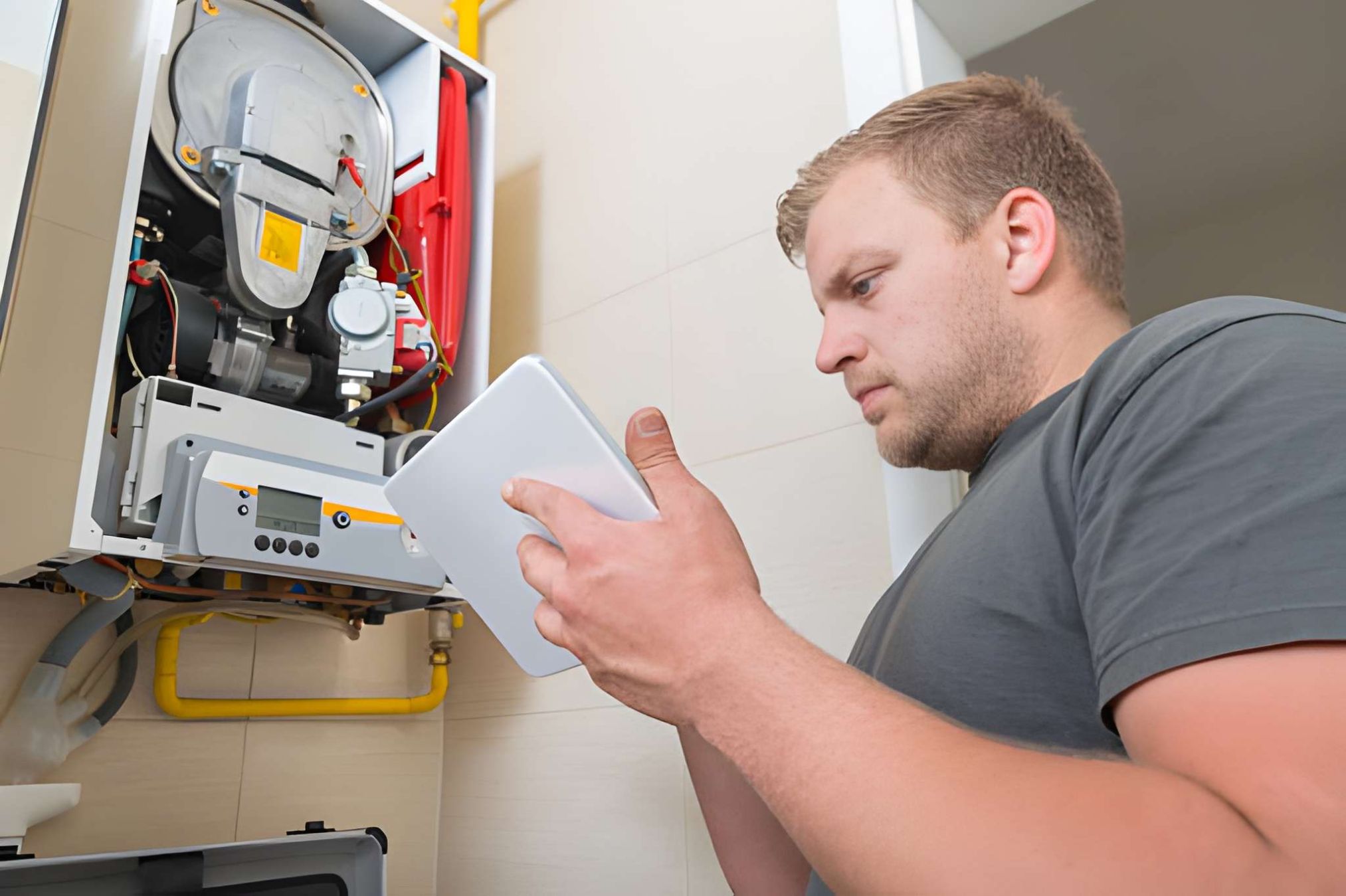
Arranging a Gas Safety Certificate in London is one of the most important annual duties for any landlord letting a residential flat, HMO, or converted house. During each inspection, a Gas Safe registered engineer tests the boiler, gas hob, fires, pipework, and flues to confirm everything operates safely and meets UK regulations.
From Victorian terraced conversions and loft apartments to modern high-rise flats, London properties present unique access and ventilation challenges. Understanding what engineers inspect, how smart safety devices help between visits, and what a compliant CP12 costs keeps your tenants protected and your paperwork audit-ready.
Avoiding Common Landlord Gas Safety Pitfalls
Most enforcement issues and emergency call-outs happen when routine annual Gas Safety Certificate (CP12) checks are delayed or overlooked during tenancy handovers. Missed boiler checks, disconnected flue joints, or tampered ventilation grilles can quickly lead to gas leaks or carbon monoxide exposure.
Under the Gas Safety (Installation and Use) Regulations 1998, landlords must arrange a safety check every 12 months, give existing tenants a copy within 28 days, provide a copy to new tenants before move-in, and keep records for at least two years, as summarised on the GOV.UK landlord safety responsibilities page.
Smart Tech vs Statutory Gas Safety Checks
Smart thermostats, boiler fault alerts, and connected carbon monoxide alarms are increasingly popular in London rental homes. They can warn landlords and tenants of pressure drops or battery issues straight away, but they never replace a physical annual inspection by a Gas Safe registered engineer.
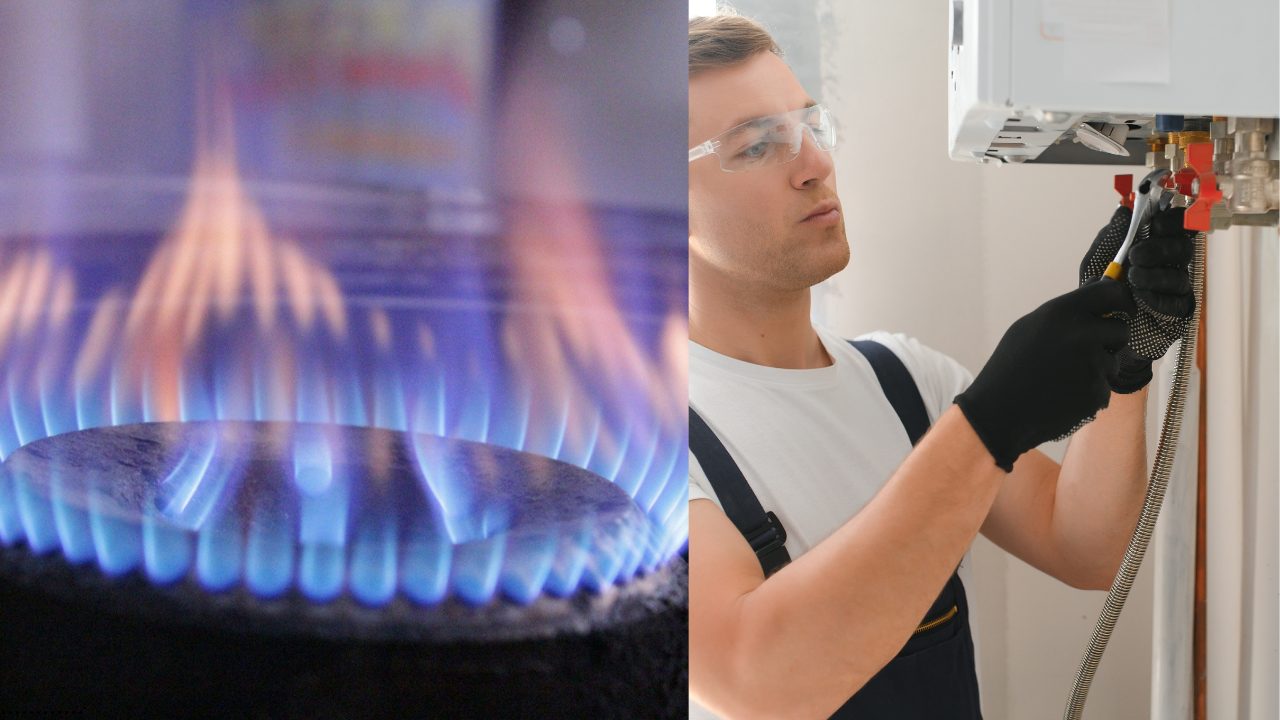
If a carbon monoxide alarm sounds or you notice yellow flames, soot staining, or pilot lights blowing out, follow the HSE carbon monoxide awareness guidance immediately and call the National Gas Emergency Service on 0800 111 999.
Gas Safety Checks for Lofts, Conversions & Period Flats
London’s housing stock includes many converted Victorian houses, basement flats, and loft extensions where boilers sit in tight cupboards or flues pass through shared voids. Engineers pay close attention to:
Concealed Flue Inspection
Flues hidden behind boxing or ceiling voids must have inspection hatches so engineers can verify joints are intact.
Cupboard Ventilation
Boilers fitted inside loft eaves or hallway cupboards need clear airflow and must not be packed with tenant storage.
Tenant Reporting & Access
Encouraging tenants to report odd boiler noises or smells early—and granting access for checks—prevents small faults escalating.
Digital Record-Keeping
Keeping digital CP12 records and correspondence logs proves compliance under HSE landlord guidance.

Field Insight
Hassan Sharif, Business Development Manager & Compliance Specialist
London’s Victorian terraces and loft conversions often hide awkward flue routes or boxed-in pipework. Making sure inspection hatches are accessible before the engineer arrives avoids aborted visits and keeps your annual CP12 renewal straightforward.
Gas Safety Certificate Prices in London
Below are our live London rates for CP12 inspections and combined boiler servicing:
| Service / Appliance Count | Price |
|---|---|
| Meter Only (No Certificate) | £20 |
| 1 Gas Appliance (CP12) | £50 |
| 2 Gas Appliances (CP12) | £60 |
| 3 Gas Appliances (CP12) | £70 |
| 4 Gas Appliances (CP12) | £85 |
| Each Additional Appliance (Above 4) | +£10 per appliance |
| Gas Safety Certificate (CP12) with Boiler Service | £84.99 |
Note: Additional charges apply only where relevant: £5 for paid parking (where free parking is unavailable) and £18 if the property sits inside the London Congestion Charge zone.
Frequently Asked Questions
+ How often must gas appliances be checked in a London rental property?
Every 12 months. Landlords are legally required to arrange an annual check by a Gas Safe registered engineer for all gas appliances and flues they provide.
+ How often should flues and ventilation be checked?
Flues and room ventilation are inspected as part of every annual Gas Safety Certificate check, and tenants should keep air vents completely unobstructed year-round.
+ What are the warning signs of a gas leak or faulty appliance?
Warning signs include a smell of gas, hissing near pipework, yellow or orange flames instead of crisp blue ones, soot staining around appliances, and pilot lights blowing out repeatedly.
+ What should a tenant do if a gas appliance stops working safely?
Switch off the appliance, open doors and windows if you smell gas, call the National Gas Emergency Service on 0800 111 999 if a leak is suspected, and notify your landlord or agent straight away.
Check Out Our Other Landlord Services
Book Your London Gas Safety Certificate
Fast, Gas Safe registered inspections across all London boroughs from £50, or £84.99 with a boiler service. Call 020 4518 8198 or email info@landlordcertificatelondon.co.uk.
About the Author: Hassan Sharif

Related Posts

Get Social
Recent Posts
- Asbestos Management Surveys for London Rental Properties: CAR 2012 Landlord Guide
- Commercial Fire Risk Assessment London: Workplace Fire Compliance & Safety Certification
- Commercial Gas Safety Certificate CP42 London: Commercial Kitchen & Catering Compliance
- Landlord Gas Safety Certificate CP12 London: Annual Inspection & Legal Compliance Guide
- Commercial EICR London: Business Electrical Testing & Workplace Compliance Guide