





London’s skyline blends Victorian terraces, listed townhouses, and glass commercial towers side by side, and keeping the power running safely behind those walls falls to the capital’s qualified electricians. Every job demands a careful balance between respecting older building fabric and meeting strict modern UK safety rules.

From morning fault-finding callouts in rented flats to upgrading distribution boards in busy retail units, electrical work in London rarely follows a predictable script. Understanding how engineers plan their days, what diagnostic kit they rely on, and which qualifications back up their sign-off shows why choosing the right specialist matters.
How a London Electrician’s Working Day Runs
Dense traffic, tight parking restrictions, and varied property ages mean London electrical teams have to structure every appointment carefully so urgent faults and scheduled inspections stay on track.
Route Planning & Borough Scheduling
Jobs are grouped by postcode and priority so emergency tripping faults or loss-of-power calls are reached quickly without delaying routine compliance visits.
On-Site Briefing & Safe Isolation
Before any cover is removed, the engineer speaks with the homeowner, tenant, or site manager, confirms which circuits can be isolated, and proves the supply dead.
Testing, Diagnostics & Remedial Repairs
Calibrated meters pinpoint earth faults, loose terminations, or overloaded rings so repairs can be completed cleanly with minimal disruption to finishes.
Digital Certification & Handover
Test readings and observations are logged on site and issued as clear digital certificates for landlords, insurers, and building control records.
Essential Tools and Diagnostic Technologies
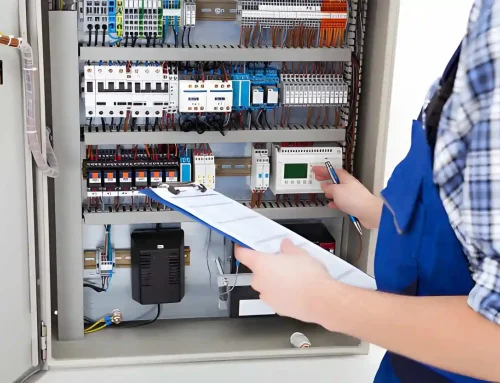
Modern electrical fault-finding relies on far more than a basic screwdriver and voltage pen. Calibrated test instruments allow engineers to trace hidden faults behind plaster walls without unnecessary damage to period interiors.
Multifunction Testers
Measure insulation resistance, earth fault loop impedance, and RCD trip times to confirm circuits meet current UK safety thresholds.
Thermal Imaging Cameras
Spot hot connections, overloaded breakers, and hidden cable stress inside consumer units without dismantling intact walls.
CAD & Load Modelling
Software such as AutoCAD Electrical and load calculation tools help plan multi-circuit commercial upgrades before installation begins.
Navigating London’s Period and High-Density Buildings
Working in a city packed with converted flats and heritage buildings brings unique technical hurdles. Engineers regularly encounter legacy rubber or lead-sheathed cabling alongside modern additions, requiring careful testing against BS 7671 (the 18th Edition IET Wiring Regulations) before any new circuits or upgrades are connected.
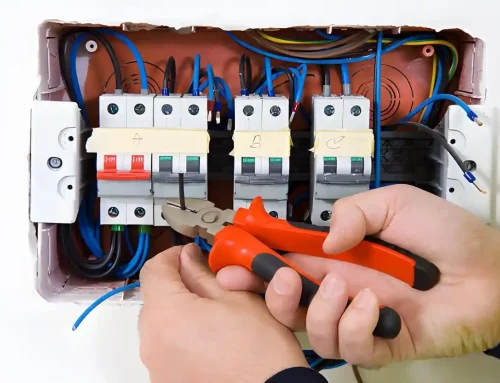
Domestic alterations such as installing a new circuit, replacing a consumer unit, or modifying wiring in bathrooms also fall under Part P of the Building Regulations. Using a registered contractor ensures notifiable work is self-certified properly with local building control, avoiding costly delays during future property sales.

“In older London conversions, we often find two or three generations of wiring feeding off a single consumer unit after decades of piecemeal refurbishments. Starting with a proper diagnostic check rather than guessing saves landlords from repeat callouts and keeps tenants’ power reliable.”
Training and Certifications Required in the UK
Becoming a fully qualified electrician in London takes years of structured study and site assessment rather than a quick weekend course. Most professionals complete an approved electrotechnical apprenticeship alongside a Level 3 NVQ Diploma and the AM2 practical competence assessment, qualifying them for an ECS Installation Electrician Gold Card.
For inspection, testing, and fault-finding work, engineers also hold City & Guilds 2391 (or equivalent inspection and testing qualifications) and maintain ongoing registration with competent person schemes such as NICEIC or NAPIT to stay current with every amendment to the wiring regulations.
Where London’s Electrical Trade Is Heading
As London pushes toward lower-carbon buildings, electricians are taking on more EV charge-point installations, solar PV connections, battery storage, and smart load-management controls. Balancing these high-demand technologies on existing domestic and commercial supplies requires careful maximum-demand calculations and surge protection.
Whether you are dealing with persistent RCD tripping or planning an installation upgrade, booking a specialist electrical diagnostic inspection gives you clear answers before small faults escalate.
Frequently Asked Questions
+ How can I verify that a London electrician is properly qualified?
+ Do electricians need Part P registration for domestic work in London?
+ What is the difference between an electrical diagnostic visit and an EICR?
+ Can modern thermal imaging spot electrical faults without removing plaster?
Other Landlord Compliance Services
Residential EICR
Five-year electrical installation safety reports for London homes and rental flats.
Commercial EICR
Circuit-tested electrical safety reports for shops, offices, and commercial premises.
Emergency Lighting
BS 5266 emergency lighting testing and certification for HMOs and workplaces.
PAT Testing
Portable appliance safety testing for furnished lets and commercial equipment.
Fire Risk Assessment
Compliant fire safety evaluations for HMOs, blocks of flats, and businesses.
Gas Safety (CP12)
Annual Gas Safe registered inspections for boilers, pipework, and flues.
Need a Qualified Electrician in London?
Book online in minutes or speak with our team on 020 4518 8198 or info@landlordcertificatelondon.co.uk.
About the Author: Hassan Sharif

Related Posts

Get Social
Recent Posts
- Asbestos Management Surveys for London Rental Properties: CAR 2012 Landlord Guide
- Commercial Fire Risk Assessment London: Workplace Fire Compliance & Safety Certification
- Commercial Gas Safety Certificate CP42 London: Commercial Kitchen & Catering Compliance
- Landlord Gas Safety Certificate CP12 London: Annual Inspection & Legal Compliance Guide
- Commercial EICR London: Business Electrical Testing & Workplace Compliance Guide