



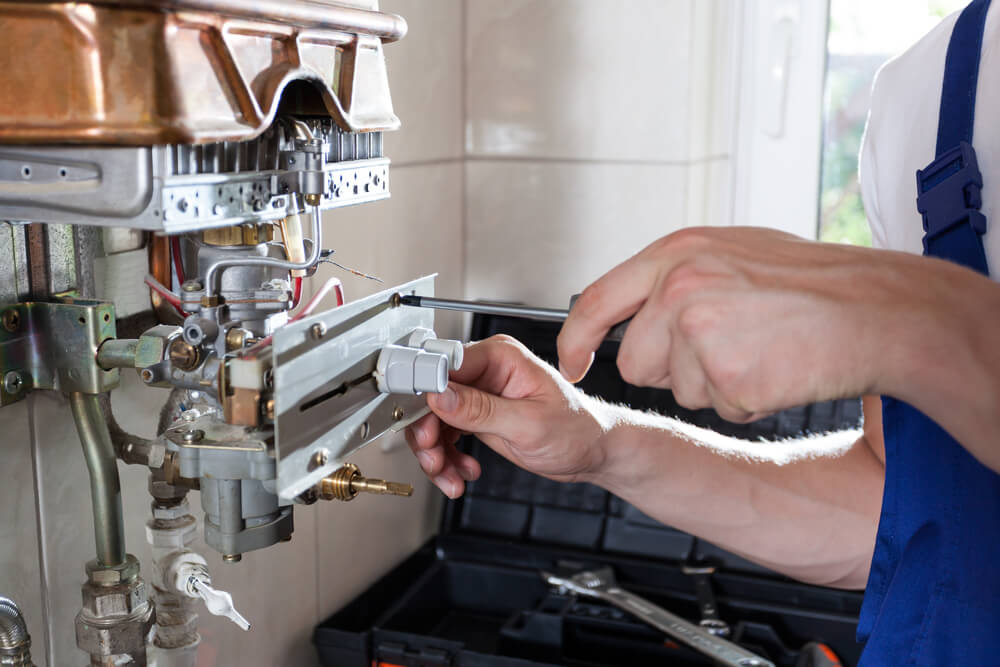
Keeping a rental property safe is not only about fixing problems when they appear. Landlords also need clear proof that essential safety checks have been completed. One of the most important documents for any rented home with gas appliances is the annual safety document issued after the check.
This document shows that the required gas appliances and flues have been checked by a Gas Safe registered engineer. It also gives landlords and tenants a clear record of what was inspected, whether any faults were found, and what action was taken.
If you manage one property or a larger portfolio in London, understanding this document can make annual compliance much easier.
What Is a Gas Safety Record?
A gas safety record is the written or electronic record produced after a landlord’s annual gas safety check. It is often referred to as a Landlord Gas Safety Record, Gas Safety Certificate or CP12.
The important point is not the name. What matters is that the check is carried out by a Gas Safe registered engineer who is qualified for the type of gas work involved.
The record normally includes the property address, the appliances or flues checked, the date of inspection, the engineer’s details, any safety defects found and any remedial action taken.
Landlords who need to arrange an inspection can use Landlord Certificate London’s Gas Safety Certificate service to book a qualified engineer.
Why Landlords Need One Every Year
Under the Gas Safety (Installation and Use) Regulations 1998, landlords must arrange an annual gas safety check for relevant appliances and flues they provide for tenants. HSE confirms that these checks must be completed by a Gas Safe registered engineer.
A current gas safety record helps prove that this legal duty has been completed. It also gives you a useful reference if a tenant reports a problem later.
The annual check should not be confused with a boiler service. A safety check focuses on whether the relevant gas equipment can be used safely. Servicing is maintenance work and may involve cleaning, adjustment and other manufacturer-recommended tasks. HSE also makes clear that a safety check should not automatically be treated as a replacement for proper maintenance.
For landlords who want both tasks handled together, arranging gas safety checks alongside boiler servicing can make annual property maintenance easier.
What Information Should the Record Include?
A proper record should clearly show what was checked and who completed the work.
Typical details include:
- the address of the property;
- the description and location of each appliance or flue checked;
- the date of the check;
- the engineer’s name, signature and Gas Safe registration number;
- the landlord or managing agent’s details;
- any safety-related defects found;
- any remedial action taken; and
- confirmation that the required safety checks were completed.
These are among the minimum details set out in HSE guidance on gas safety check records.
If information is missing, ask the engineer or provider to clarify it before filing the document.
When Should Tenants Receive a Copy?
Existing tenants should receive a copy of the latest gas safety record within 28 days of the check being completed. New tenants should receive a copy before they move into the property.
Electronic copies are acceptable where the tenant is happy to receive the document that way and can access it. A paper copy should still be provided if the tenant asks for one.
Keeping a clear email trail can also help landlords manage records across several properties.
How Long Should Landlords Keep the Record?
Landlords should normally keep each gas safety record for at least two years.
Good record keeping is especially useful when you manage renewals for several properties. Keep each certificate with the tenancy documents and note the next check date in your calendar or property management system.
There is also some flexibility around renewal timing. HSE guidance explains that landlords can arrange the next annual check up to two months before the existing deadline and, where the relevant rules are followed, retain the original renewal date.
This can help avoid last-minute access problems and gives landlords more time to arrange a suitable appointment with tenants.
What Happens If a Fault Is Found?
A failed check does not mean the paperwork should simply be delayed. The record should still show the result of the inspection and any safety concerns. HSE states that the record should be issued once the required checks are completed, even where faults have been identified.
If an appliance is unsafe, follow the engineer’s instructions and make sure it is not used until the issue has been dealt with. Repairs should be completed by a suitably qualified Gas Safe registered engineer.
For more guidance, read our article on what to do if your property fails a gas safety check.
Gas Safety and Other Landlord Checks
Gas safety is only one part of rental property compliance. Depending on the property and tenancy, landlords may also need electrical, energy efficiency and fire safety documentation.
If several certificates are due around the same time, arranging them together can reduce admin and make access easier for tenants.
You can review our EICR service for electrical safety inspections or our Energy Performance Certificate service when managing wider property compliance.
Check the Engineer Before the Visit
Before gas work starts, make sure the engineer is registered with the Gas Safe Register. You should also check the back of their Gas Safe ID card to confirm they are qualified for the specific type of gas work being carried out. Gas Safe Register advises customers to check both registration and the engineer’s permitted categories of work.
The official Gas Safe Register website can be used to find or check registered gas professionals.
This simple step gives landlords extra confidence that the inspection is being completed by the right person.
Make Annual Gas Compliance Easier
The easiest way to stay organised is to treat the gas safety record as part of your yearly property routine rather than something to deal with at the last minute.
Check your renewal date early, arrange access with the tenant and keep the completed document in a secure place. If you manage several properties, use reminders so each annual check is booked before it becomes urgent.
Landlord Certificate London provides gas safety inspections across London, carried out by Gas Safe registered engineers, with certification provided following the inspection.
If your renewal is approaching, book your Gas Safety Certificate with Landlord Certificate London and keep your property compliance records up to date.
About the Author: LandlordCertificate

Related Posts
Get Social
Recent Posts
- Residential EICR London: Complete Electrical Safety Inspection Guide for Landlords & Homeowners
- Property Owners and Landlords Across London
- Emergency Lighting Assessment Failure Signs: 4 Critical Indicators Your System Needs Immediate Attention
- Annual Fire Alarm Inspection Checklist and Industrial Facility Solutions Safety Plan: 5-Step Shield
- Fuse Box Installation by a Certified Fuse Box Electrician for Circuit Failures and Safety Control