




Buying a new home is an exciting milestone, yet the practical safety checks behind the scenes are what keep your household protected long after moving day. Among those checks, a Gas Safety Certificate confirms that your boiler, hob, gas fire, and flue systems are operating safely without hidden leaks or dangerous fumes.
Whether you are completing on a property purchase, moving into a newly acquired home, or preparing to let a property out, understanding what a Gas Safety Certificate proves and when you need one helps you avoid costly surprises.


Homebuyers across London often assume a standard property survey checks the boiler and gas pipework. In practice, a building surveyor only looks visually at the outside of the casing, so booking an independent gas safety check before exchange or right after completion gives you real proof the installation is safe.
Homeowners vs. Landlords: What UK Law Actually Requires
It is important to separate legal requirements for rented homes from best-practice safety for owner-occupiers. Under the Gas Safety (Installation and Use) Regulations 1998, holding an annual Landlord Gas Safety Record (CP12) is a strict legal duty for anyone renting out a residential property, with tenants entitled to a copy within 28 days of the check.
If you own and live in your own home, there is no criminal offence for not holding an annual certificate. However, HSE domestic gas safety guidance strongly advises annual servicing and safety inspections for every homeowner. Most boiler manufacturers require annual checks to keep warranties valid, home insurers expect appliances to be properly maintained, and buyers’ solicitors routinely ask for recent gas safety records during conveyancing.
What a Gas Safe Engineer Checks During an Inspection
Anyone carrying out gas work or issuing a safety certificate in the UK must be on the official Gas Safe Register. According to HSE rules on gas safety checks, an accredited engineer conducts a systematic inspection of every gas-burning appliance and supply pipe in the property.
Tightness & Gas Pressure
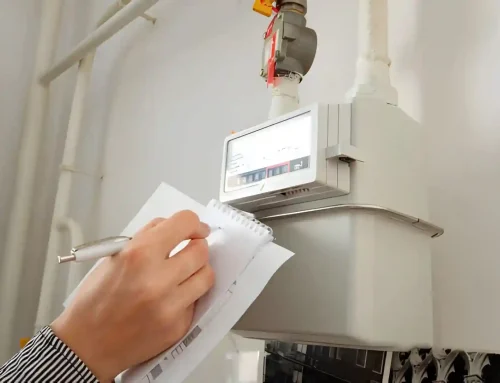
Tests the meter, emergency control valve, and visible pipework for gas leaks and confirms appliances operate at the correct burner pressure.
Flues & Ventilation
Checks that flues, chimneys, and air vents are clear and sealed so harmful combustion gases exit safely outside the home.
Combustion & Flame Quality
Uses a calibrated flue gas analyser where applicable to verify clean burning and safe carbon monoxide levels.
Safety Devices & Controls
Confirms flame supervision devices, pressure relief valves, and safety shut-offs shut down the gas supply properly if a fault occurs.
Why Skipping Regular Gas Checks Puts Your Home at Risk
Neglecting annual inspections leaves hidden faults unchecked until they escalate into emergencies. Corroded pipe joints, blocked flues, or poorly adjusted burners can cause dangerous gas leaks or silent carbon monoxide poisoning, which has no smell, taste, or colour.
Skipping regular checks can also hit your wallet. Boiler makers routinely void extended warranties without a documented annual service history, and home insurance providers may dispute claims following a fire or explosion if appliances show signs of long-term neglect.
If you ever smell gas or suspect a carbon monoxide leak, open doors and windows straight away, turn off the gas supply at the emergency control valve if safe, do not operate electrical switches or naked flames, leave the property, and call the National Gas Emergency Service on 0800 111 999.
Buying, Selling, and Maintaining Your Home
For buyers and sellers, a recent Gas Safety Certificate removes uncertainty during property negotiations. Sellers who provide an up-to-date inspection report alongside their gas safety certificate and boiler service record reassure buyers that heating systems have been looked after, helping conveyancing move faster without last-minute price renegotiations.

After moving into a property, scheduling a combined annual boiler service and gas safety inspection is the simplest way to keep your heating reliable, maintain manufacturer warranty cover, and spot minor wear before winter arrives.
Frequently Asked Questions
+How long does a domestic Gas Safety Certificate inspection take?
+How often should homeowners arrange a gas safety check?
+Is a Gas Safety Certificate a legal requirement if I live in my own home?
+What qualifications should my gas engineer hold?
+Does a Gas Safety Certificate help when selling a house?
Conclusion
Whether you are buying your first home, preparing a property for sale, or keeping your family safe year-round, a Gas Safety Certificate from a Gas Safe registered engineer gives you clear, reliable proof that your gas appliances and flues are working safely. Booking an annual check is a small step that protects your home, warranty, and peace of mind.
Need a Gas Safe Engineer in London?
Book a Gas Safe registered engineer for your home, pre-purchase check, or combined boiler service and certificate.
Call us on 020 4518 8198 or email info@landlordcertificatelondon.co.uk
About the Author: Hassan Sharif

Related Posts

Get Social
Recent Posts
- Asbestos Management Surveys for London Rental Properties: CAR 2012 Landlord Guide
- Commercial Fire Risk Assessment London: Workplace Fire Compliance & Safety Certification
- Commercial Gas Safety Certificate CP42 London: Commercial Kitchen & Catering Compliance
- Landlord Gas Safety Certificate CP12 London: Annual Inspection & Legal Compliance Guide
- Commercial EICR London: Business Electrical Testing & Workplace Compliance Guide