

Commercial safety planning supports structured compliance across residential and commercial properties. Regulatory frameworks under fire risk assessment regulations guide responsibilities for accountable persons across buildings and risk control measures. Clear legal duties shape attention to risk across occupied spaces and safer operational environments. Property assessment processes help reduce fire risks across different property types while improving long-term safety outcomes. Compliance documentation strengthens accountability during safety reviews and consistent record-keeping across inspection stages and system processes.
Key Takeaways
- Clear safety planning improves building control
- Hazard checks reduce fire risk in spaces
- Good wiring care lowers electrical danger
- Safe storage prevents fast fire spread
- Alarms give an early warning for evacuation
- Records support strong safety compliance
- Regular checks keep systems working well
- Inspection prep improves compliance results
- Staff awareness supports safer response
- Ongoing review strengthens building safety
How to Identify High-Risk Areas Within Your Premises
Safe buildings depend on identifying potential fire hazards in areas where people work, move, and store materials. Proper attention to building layout and safety controls helps reduce the risk of fire spread.
Understand Common Fire Risk Zones
High-risk areas often include kitchens, electrical rooms, storage areas, boiler spaces, and locations where flammable materials remain present. Businesses must assess how people move through these spaces and identify whether blocked access points or poor ventilation increase fire exposure.
Apply Structured Risk Assessment Guidance
Under fire risk assessment regulations, businesses must complete a systematic review of ignition sources and vulnerable areas across different sections of a property. Regular inspections help identify hazards before they become larger safety concerns.
Essential Fire Prevention Measures
Fire prevention measures reduce the likelihood of incidents across commercial and residential properties while supporting long-term compliance with fire risk assessment regulations.
Control Flammable Materials and Heat Sources
- No smoking indoors
- Keep heaters away from combustible materials
- Turn off electrical appliances when they are not in use.
Maintain Electrical Safety Systems
- Avoid overloaded sockets
- Complete an EICR every 5 years
- Test portable appliances annually through PAT testing
Store Flammable Items Safely
- Use suitable storage shelves and containers
- Store only the minimum required amount of flammable materials.
- Clearly label chemicals and hazardous products
Improve Housekeeping Standards
- Remove waste daily
- Keep electrical panels and outlets accessible
- Maintain clear kitchen workspaces
Maintain Fire Doors Properly
- Keep fire doors closed
- Check seals regularly
- Never prop open safety doors
Train Staff on Fire Safety Procedures
Businesses should teach employees how to report hazards, follow evacuation procedures, and use basic fire protection equipment safely.
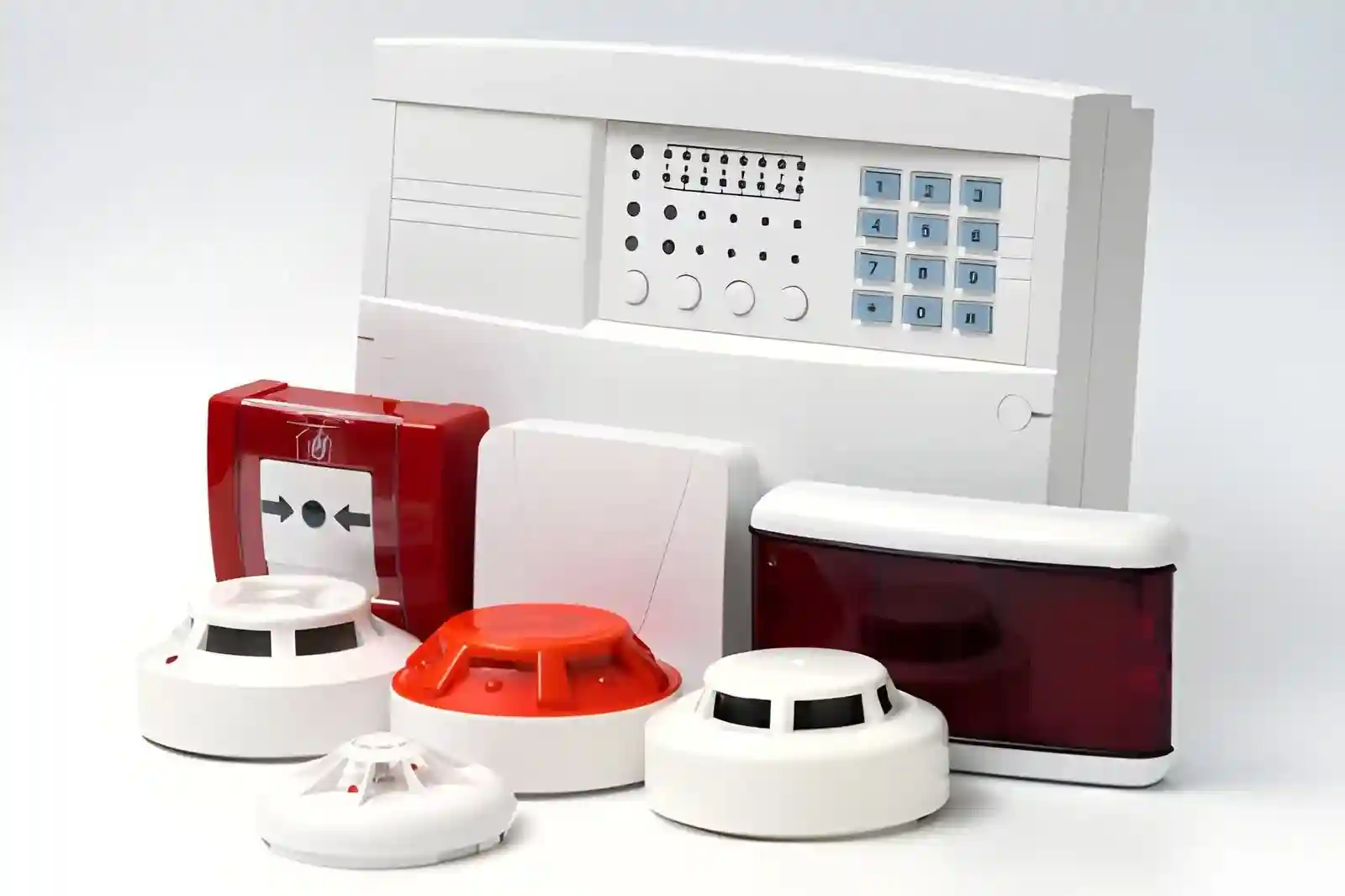
The Importance of Fire Detection and Alarm Systems
Early alerts generated by fire detection systems enable rapid occupant response and lower the possibility of substantial fire damage. To guarantee that during crises safe movement is more regulated, alarm systems assist in guiding evacuation preparation across several sectors.
How Fire Alarm Systems Improve Building Safety
Smoke detection devices improve response time during early fire stages, while audible alerts raise occupant awareness across all sections of a property. Early warning systems help reduce injury risks and support faster evacuation procedures.
Compliance Verification and System Standards
A fire risk assessment certificate supports confirmation of system adequacy and installation standards, while alarm integration aligns with fire risk assessment regulations across safety networks that manage risk control.
How Fire Risk Assessments Help Reduce Insurance Risks
A fire risk assessment does not directly guarantee lower premiums, but it helps insurers view your business as a lower-risk operation.
Proves Your Business Has Managed Fire Risks
Insurers price policies based on risk exposure. A current and documented fire risk assessment demonstrates that hazards have been identified, controls are in place, and ongoing monitoring exists. This often supports more favourable premium consideration.
Helps Prevent Insurance Claim Disputes
Most commercial insurance plans demand sufficient fire safeguards. Insurers may lower or reject a claim if a company cannot offer a legitimate fire risk assessment following an event. Good record keeping keeps policy compliance.
Reduces the Frequency and Severity of Claims
Risk assessments help identify issues such as faulty wiring, blocked exits, and unsafe storage before they lead to fire incidents. A reduced history of fire incidents can help businesses secure more favourable insurance renewal terms.
Supports Compliance With Policy Warranties
Many insurers require compliance with fire safety legislation and the Regulatory Reform Fire Safety Order. Maintaining a current assessment helps businesses avoid warranty breaches.
Strengthens Negotiation During Renewals
Businesses can use assessments, maintenance records, and action logs to negotiate lower excess charges, improved cover options, or reduced premiums compared to businesses with limited documentation.
Record-Keeping Requirements for Fire Risk Assessments
Documentation systems support structured compliance tracking across properties. Accurate records assist safety verification during audits and inspections.
Why Fire Safety Documentation Matters
Under fire risk assessment regulations, recording systems increase openness and accountability across safety techniques. Records of inspections show evidence of done safety inspections and remedial measures.
Maintain Accurate Maintenance Records
Maintenance records improve the reliability of safety systems and confirm that alarms, extinguishers, and emergency lighting remain operational through regular servicing.
Organise Compliance Documents Effectively
Stored documentation inside compliance management systems improves access to vital safety information. Organized filing lowers the possibility of losing data and raises audit readiness during inspections.
How to Prepare for a Professional Fire Risk Inspection
Preparing for a professional fire risk inspection requires organised planning and routine safety checks throughout the building.
Check Escape Routes and Access Points
For safe movement during inspections and crises, access routes should always stay unobstructed. Unobstructed exits and clear signage raise compliance scores.
Review Fire Safety Systems Before Inspection
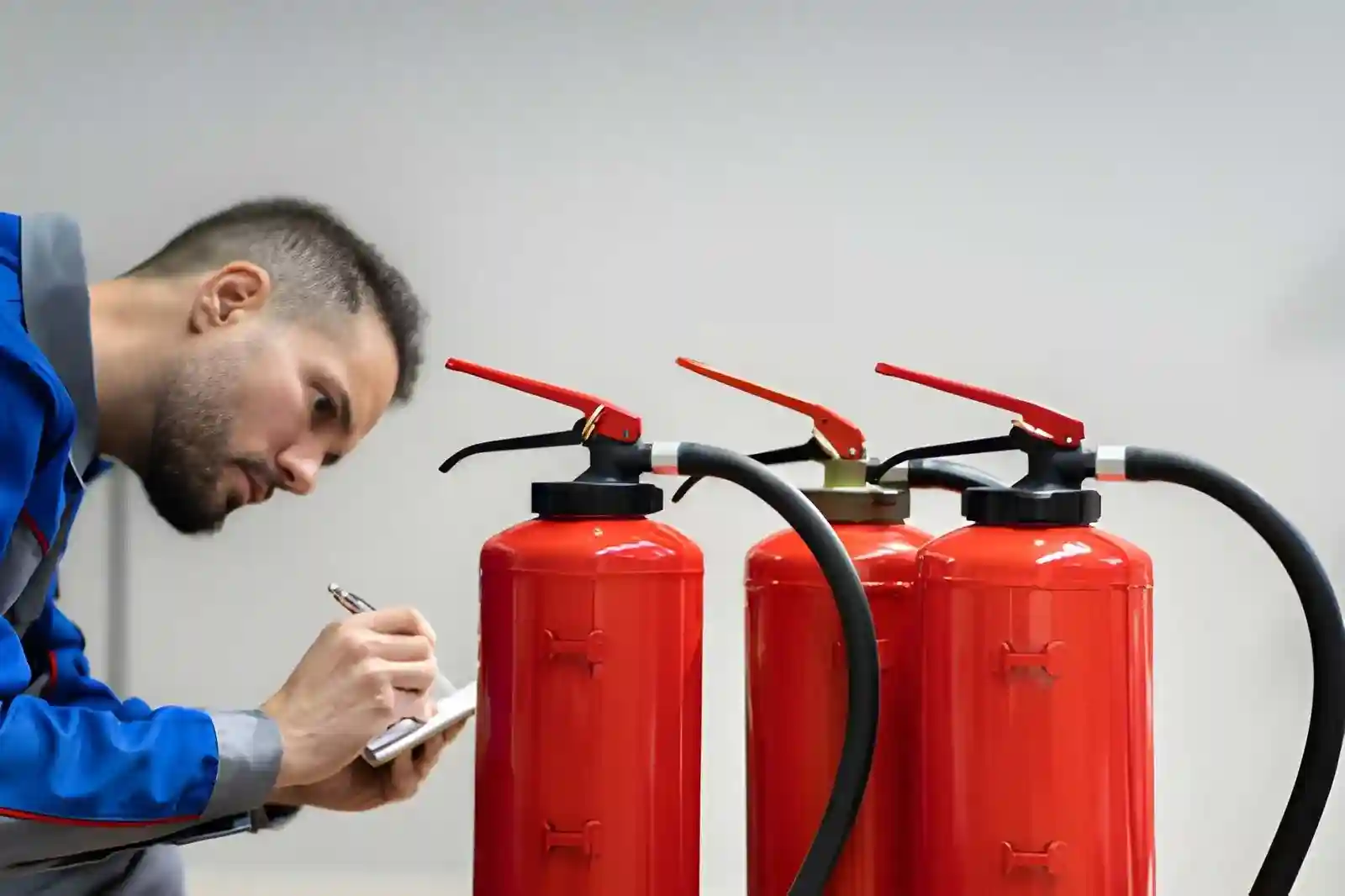
Fire alarms, emergency lighting, extinguishers, and detection systems should receive proper testing before inspection dates to confirm reliable operation.
Ensure Records and Certificates Are Available
Maintenance records, inspection logs, and fire risk assessment documents should remain organised and accessible for review by inspectors.
Improve Staff Awareness and Readiness
Employees should understand evacuation procedures, hazard reporting processes, and their responsibilities during emergencies or inspection activities.
What Inspectors Look for During a Fire Safety Audit
Fire safety audits review building systems to ensure compliance measures remain clear, effective, and properly maintained.
Fire Escape Routes and Signage
Inspectors check whether exits remain accessible, properly marked, and free from obstructions that could delay evacuation.
Fire Detection and Alarm Performance
Audits review whether alarm systems function correctly, receive routine maintenance, and meet current safety standards.
Electrical and Equipment Safety
Electrical systems must remain stable and safe, while portable equipment should show evidence of proper testing and maintenance.
Accuracy of Fire Safety Documentation
Inspectors assess whether documents remain updated, accurate, and aligned with fire risk assessment regulations and inspection requirements.
Overall Compliance and System Reliability
Safety audits evaluate whether fire prevention measures, maintenance procedures, and risk controls work together to support long-term building safety.
Frequently Asked Questions
Clear planning, regular checks, and proper maintenance improve overall safety compliance across properties.
Hazard identification helps detect risks early and reduces the chance of dangerous fire incidents.
Working alarms, clear evacuation routes, and trained staff support faster and safer emergency response.
Proper documentation provides proof of safety actions and supports accountability during inspections.
Regular maintenance keeps systems reliable and reduces failures that may increase fire risks.
Conclusion
Safety management demands constant adherence across all properties, and regulatory alignment lowers risk exposure while delivering better protection. Long-term adherence to UK fire risk assessment regulations enables businesses to uphold higher operational standards throughout their properties.
Strengthen Long-Term Fire Safety Compliance
Organised monitoring increases readiness for response and hazard awareness. Regular evaluations keep alignment with safety standards; thorough preparation lowers the probability of major fire events.
Maintain Reliable Safety Systems and Records
Reliable system performance is enhanced by maintenance discipline; paperwork accuracy improves transparency throughout management policies and inspection techniques.
Support Safer Property Environments Through Continuous Improvement
Clear safety procedures improve consistency across different property types and management operations. Ongoing improvements help businesses maintain safer environments and stronger risk control outcomes over time.
For more guidance or tailored support, contact our team to get expert help with compliance and safety planning.
About the Author: HarisAdmin

Related Posts
Recent Posts
- Residential EICR London: Complete Electrical Safety Inspection Guide for Landlords & Homeowners
- Property Owners and Landlords Across London
- Emergency Lighting Assessment Failure Signs: 4 Critical Indicators Your System Needs Immediate Attention
- Annual Fire Alarm Inspection Checklist and Industrial Facility Solutions Safety Plan: 5-Step Shield
- Fuse Box Installation by a Certified Fuse Box Electrician for Circuit Failures and Safety Control

Get Social