



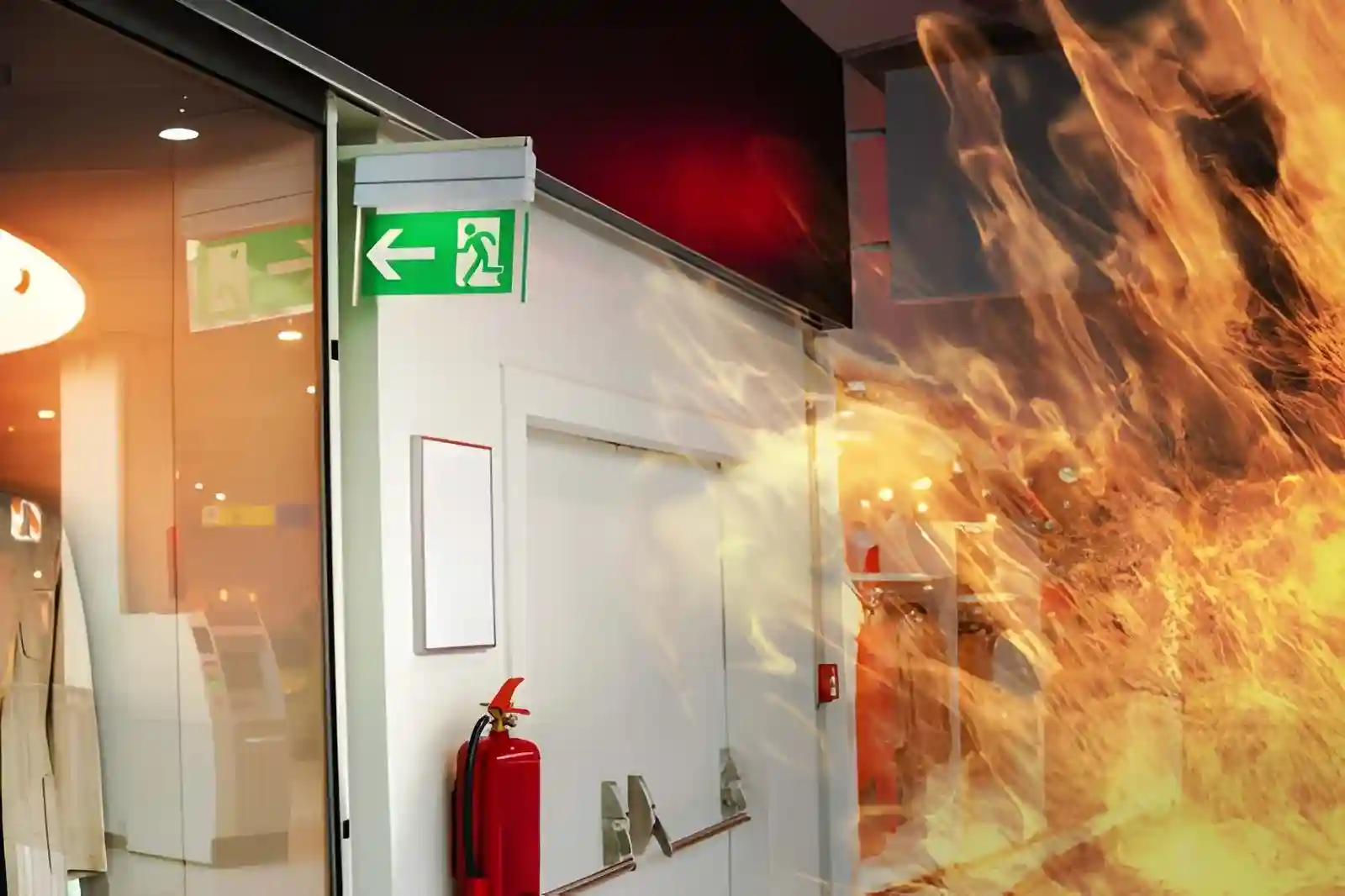
Every business faces some level of fire risk. Electrical equipment, heating systems, stored materials, busy work areas, and daily operations can all create hazards if they are not managed properly.
A commercial fire risk assessment helps a business identify these hazards before they lead to an emergency. It reviews the condition of the building, the people who use it, the available escape routes, fire detection systems, emergency equipment, and current safety procedures.
Fire safety should not be treated as a one time task. Risks can change when equipment is added, layouts are altered, staff numbers increase, or the way a building is used changes.
Key Takeaways
A commercial fire risk assessment can help businesses:
- Identify fire hazards before they become serious
- Improve escape routes and evacuation planning
- Check alarms and emergency equipment
- Reduce risks linked to electrical systems
- Improve staff awareness and training
- Support fire safety compliance
- Reduce the risk of property damage
What a Commercial Fire Risk Assessment Involves
The process usually begins with an inspection of the building layout, working areas, storage spaces, electrical systems, heating equipment, fire doors, escape routes, and emergency exits.
The assessment looks for possible sources of ignition, such as damaged wiring, overloaded sockets, hot equipment, open flames, and poor storage practices. It also considers materials that could help a fire spread, including paper, packaging, chemicals, fabrics, and waste.
The assessor will normally review:
- Fire detection and alarm systems
- Emergency lighting
- Fire extinguishers and other equipment
- Escape routes and final exits
- Fire doors and compartmentation
- Warning signs and safety notices
- Staff training and evacuation procedures
- People who may need extra help during an emergency
- Existing fire safety documents and records
Once the risks have been identified, they can be placed in order of importance. This helps the business understand which problems need urgent action and which improvements can be planned over time.
Electrical Risks and Equipment Failures
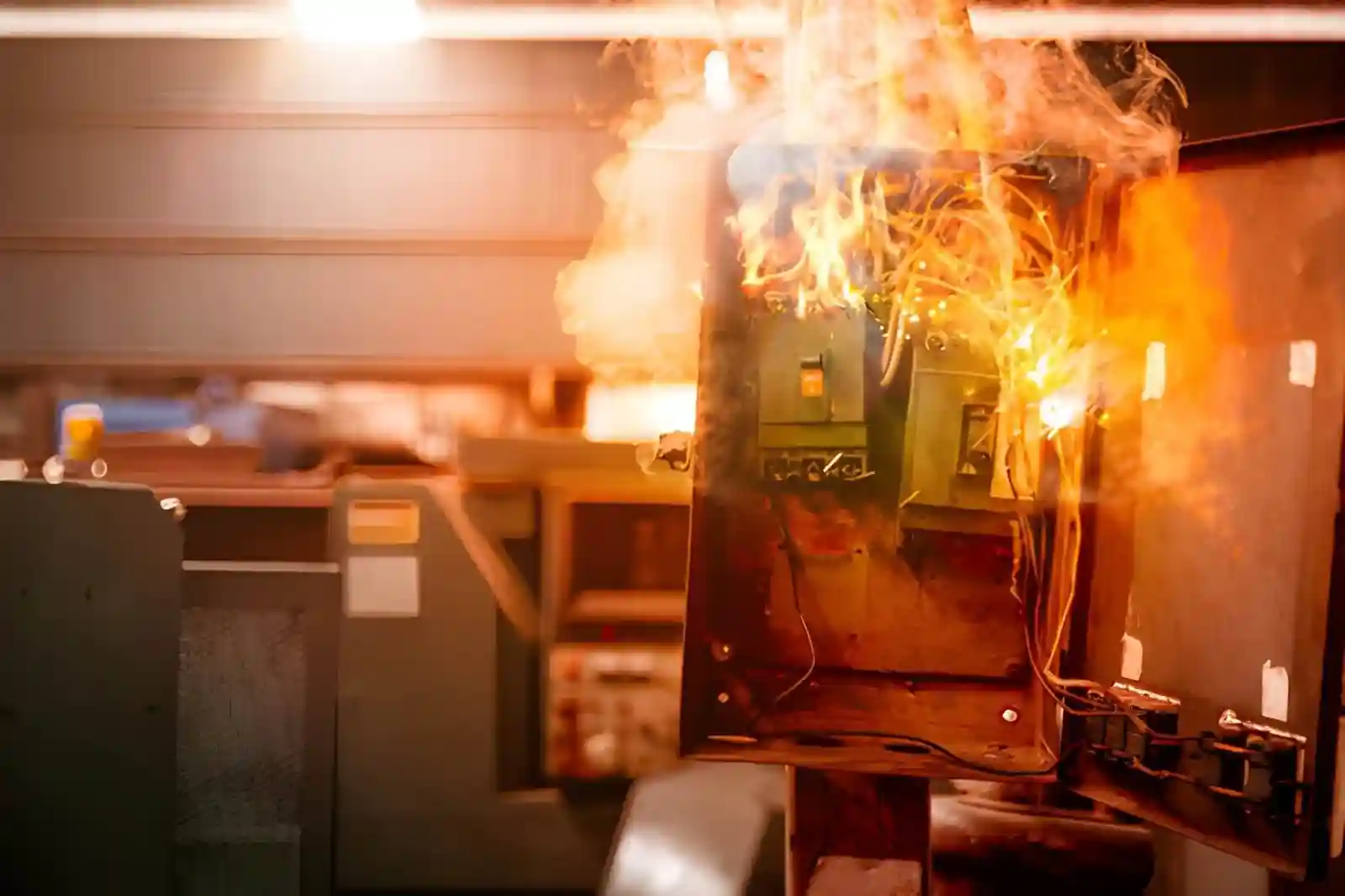
Electrical faults are a common source of fire risk in commercial buildings.
Damaged wiring, overloaded sockets, faulty appliances, loose connections, and ageing equipment can increase the chance of overheating or ignition.
A commercial fire risk assessment helps identify visible electrical hazards and highlights areas that may need further inspection by a qualified electrician.
Regular maintenance can reduce these risks. Businesses should make sure electrical equipment is suitable for its purpose, checked when necessary, and removed from use if it becomes damaged.
Good electrical safety also includes avoiding overloaded extension leads, keeping ventilation areas clear, and making sure equipment is switched off safely when it is not in use.
A clear inspection schedule can help businesses find problems before they become dangerous.
Reducing Property Damage and Financial Loss
A fire can cause serious damage to buildings, equipment, stock, records, and other business assets.
The cost of a fire is not limited to repairing physical damage. Businesses may also face lost income, temporary closure, cancelled work, replacement costs, insurance delays, and damage to their reputation.
A commercial fire risk assessment helps reduce these risks by identifying areas where a fire may start or spread quickly.
For example, the assessment may find that combustible materials are stored too close to an ignition source, fire doors are damaged, escape routes are blocked, or alarm coverage is not suitable for the building.
Implementing Safety Measures and Controls
A commercial fire risk assessment should explain what needs to be improved and how urgent each action is.
Common safety measures may include:
- Removing unnecessary combustible materials
- Improving storage arrangements
- Repairing damaged fire doors
- Keeping escape routes clear
- Installing or upgrading alarms
- Providing suitable fire extinguishers
- Improving emergency lighting
- Updating fire safety signs
- Training staff
- Reviewing evacuation procedures
- Arranging electrical or equipment maintenance
Safety controls should also be checked after they are introduced. An alarm system, fire door, or emergency plan is only useful when it works properly and people understand how to use it.
Fire Extinguishers and Emergency Equipment
Fire extinguishers, alarms, emergency lighting, fire blankets, and other safety equipment can play an important role during a fire.
It must be suitable for the risks present, placed in the correct location, easy to access, and maintained properly.
For example, different types of fire may require different extinguishers. Using the wrong equipment can be ineffective and may create additional danger.
Alarm systems should provide an early warning that can be heard throughout the areas they are designed to protect. Emergency lighting should help people find their way out if the normal lighting fails.
The main priority during a fire is usually to raise the alarm, leave the building safely, and contact the emergency services.
Only trained people should attempt to use firefighting equipment, and only when it is safe to do so.
How Often Should Fire Risk Assessments Be Updated?
A commercial fire risk assessment should be reviewed regularly and whenever there is a significant change to the building or business.
A review may be needed when:
- The building layout changes
- New equipment is installed
- The number of staff or visitors increases
- The property is used for a new purpose
- New materials or processes are introduced
- Fire safety equipment is changed
- A fire or near miss occurs
- Problems are found during an inspection
- The existing assessment is no longer accurate
There is no single review period that will suit every business. The correct timing depends on the level of risk and how often conditions change.
Role of Regular Safety Audits and Inspections
A commercial fire risk assessment provides an overall review of fire risk, while regular inspections help make sure safety measures remain effective between formal assessments.
Routine checks may include:
- Confirming that escape routes are clear
- Checking that fire doors close properly
- Testing alarm systems
- Inspecting emergency lighting
- Checking fire extinguisher condition
- Reviewing staff training records
- Confirming that signs remain visible
- Checking storage and housekeeping standards
For example, a blocked exit, damaged door closer, missing sign, or faulty alarm point may seem minor, but it could affect how safely people can leave during an emergency.
Inspection results should be recorded, and any necessary action should be assigned to a responsible person.
Recent Changes in Fire Safety Regulations
Businesses must understand which rules apply to their property, activities, and location.
A commercial fire risk assessment can support compliance by showing that hazards have been considered and suitable control measures have been planned.
However, the assessment must reflect the actual building and should not be treated as a generic document.
Businesses should make sure their assessment is updated when legal duties or official guidance change.
How Businesses Can Stay Updated with Fire Laws
Useful steps include:
- Reviewing official fire safety guidance
- Speaking with a competent fire safety professional
- Updating the commercial fire risk assessment when changes occur
- Keeping inspection and maintenance records
- Reviewing staff training
- Monitoring changes to the building
- Checking whether new rules affect the property
- Acting on recommendations without unnecessary delay
A clear fire safety report can help record identified risks, completed actions, outstanding work, and future review dates.
Responsibility should be clearly assigned so that important actions are not delayed or forgotten.
Frequently Asked Questions
Clear evacuation plans, working alarm systems, trained staff, visible escape routes, and accessible emergency equipment can support a faster and safer response.
A suitable commercial fire risk assessment, accurate records, regular reviews, equipment maintenance, and staff training can help businesses meet their responsibilities.
Early detection, good maintenance, suitable fire doors, clear escape routes, safe storage, and effective emergency planning can reduce the chance of a fire spreading.
Conclusion
A commercial fire risk assessment is an important part of managing safety in any commercial property.
The assessment should be clear, specific to the building, and updated whenever important changes take place.
A professional fire safety report provides a useful record of risks, safety measures, completed actions, and further recommendations. By reviewing fire risks regularly and acting on the findings, businesses can create a safer and more prepared working environment.
About the Author: LandlordCertificate

Related Posts
Recent Posts
- Residential EICR London: Complete Electrical Safety Inspection Guide for Landlords & Homeowners
- Property Owners and Landlords Across London
- Emergency Lighting Assessment Failure Signs: 4 Critical Indicators Your System Needs Immediate Attention
- Annual Fire Alarm Inspection Checklist and Industrial Facility Solutions Safety Plan: 5-Step Shield
- Fuse Box Installation by a Certified Fuse Box Electrician for Circuit Failures and Safety Control

Get Social