




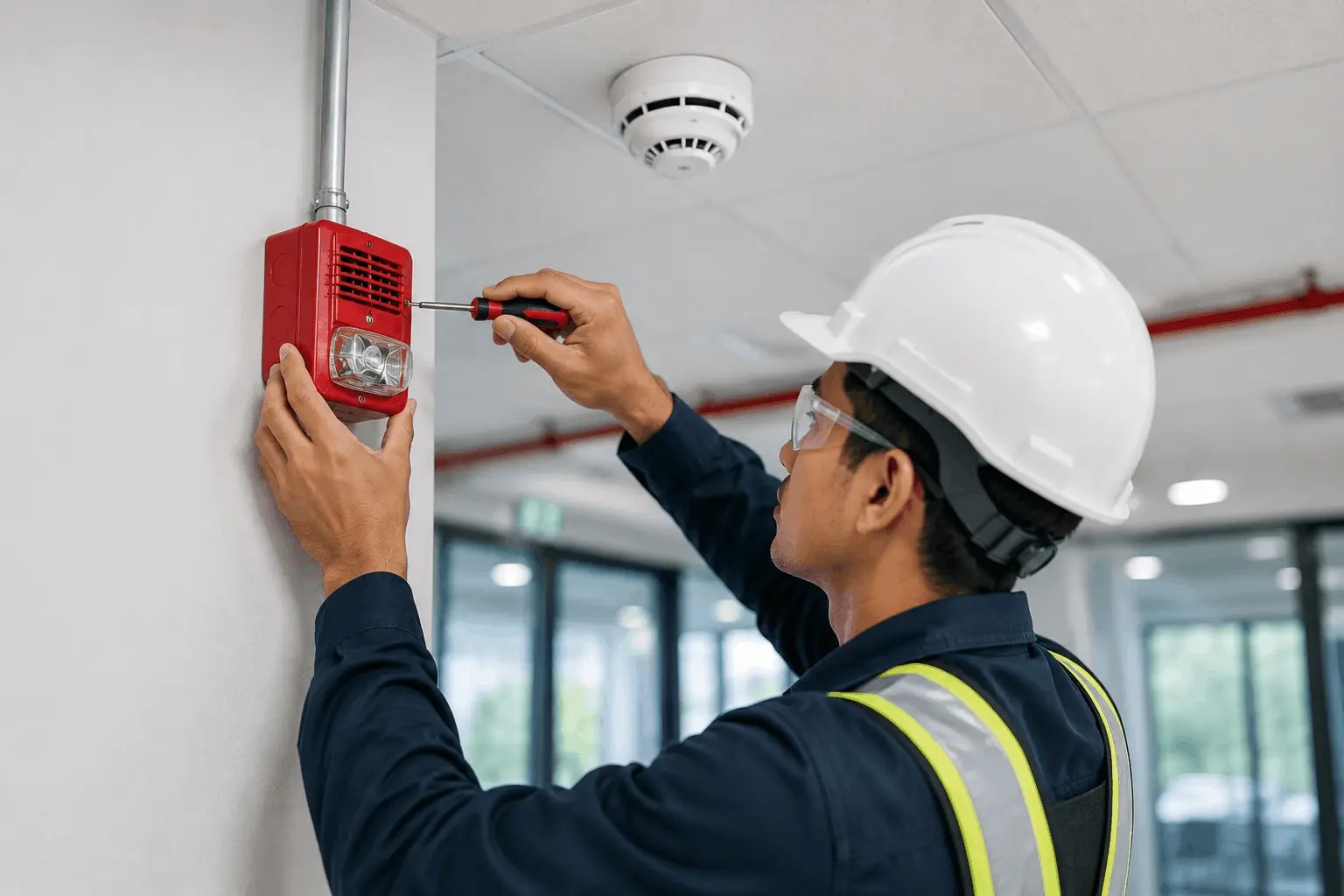
Industrial facilities require structured safety control across alarm systems; maintenance planning improves stability across detection and response functions. Facility safety teams often rely on professional fire alarm servicing to manage scheduled checks across alarm networks and connected devices. The phrase Annual Fire Alarm Inspection Checklist becomes central within structured safety routines that evaluate detector status, sounder performance, and control panel diagnostics. Industrial facility safety programmes support asset protection through coordinated inspection, maintenance, and emergency preparedness procedures. Documentation accuracy improves compliance tracking and operational continuity.
Key Takeaways
- Scheduled checks keep alarm systems stable.
- Testing finds faults before system failure.
- Servicing supports steady device operation.
- Signal checks improve communication flow.
- Preventive work reduces system interruptions.
- Detector reviews improve hazard detection.
- Audits improve control and transparency.
- Functional checks ensure zone readiness.
- Discipline improves the long-term safety setup.
- Power checks support emergency readiness.
Why Annual Fire Alarm Inspections Matter
Fire safety reliability depends on structured alarm readiness across all components. Alarm performance consistency improves emergency response outcomes. Technical evaluation processes often include a comprehensive fire alarm system inspection to identify hidden faults across sensors and wiring networks.
Regulatory frameworks recognise an Annual Fire Alarm Inspection as a core safety requirement for sustained protection across buildings and facilities. Risk levels reduce when alarm responsiveness remains stable under varied loads.
In the United Kingdom, annual fire alarm inspections form part of a broader maintenance programme designed to ensure that fire detection and alarm systems remain fully operational throughout the year. While weekly user testing and periodic servicing are commonly recommended, a comprehensive annual inspection provides a more detailed assessment of the entire system.
During an annual inspection, engineers examine control panels, detectors, manual call points, sounders, visual warning devices, batteries, and communication pathways. Any faults identified can be recorded and rectified before they compromise the effectiveness of the fire alarm system during an emergency.
Regular inspections not only support occupant safety but also assist duty holders in demonstrating compliance with fire safety responsibilities and maintaining accurate maintenance records.
System Verification Mechanics
Reliability across occupancy layouts, infrastructure configurations, and audit processes improves control over alarm functionality and signal transmission pathways. Maintenance alignment improves performance stability across installations and increases when consistent review cycles remain in place across safety systems and compliance structures.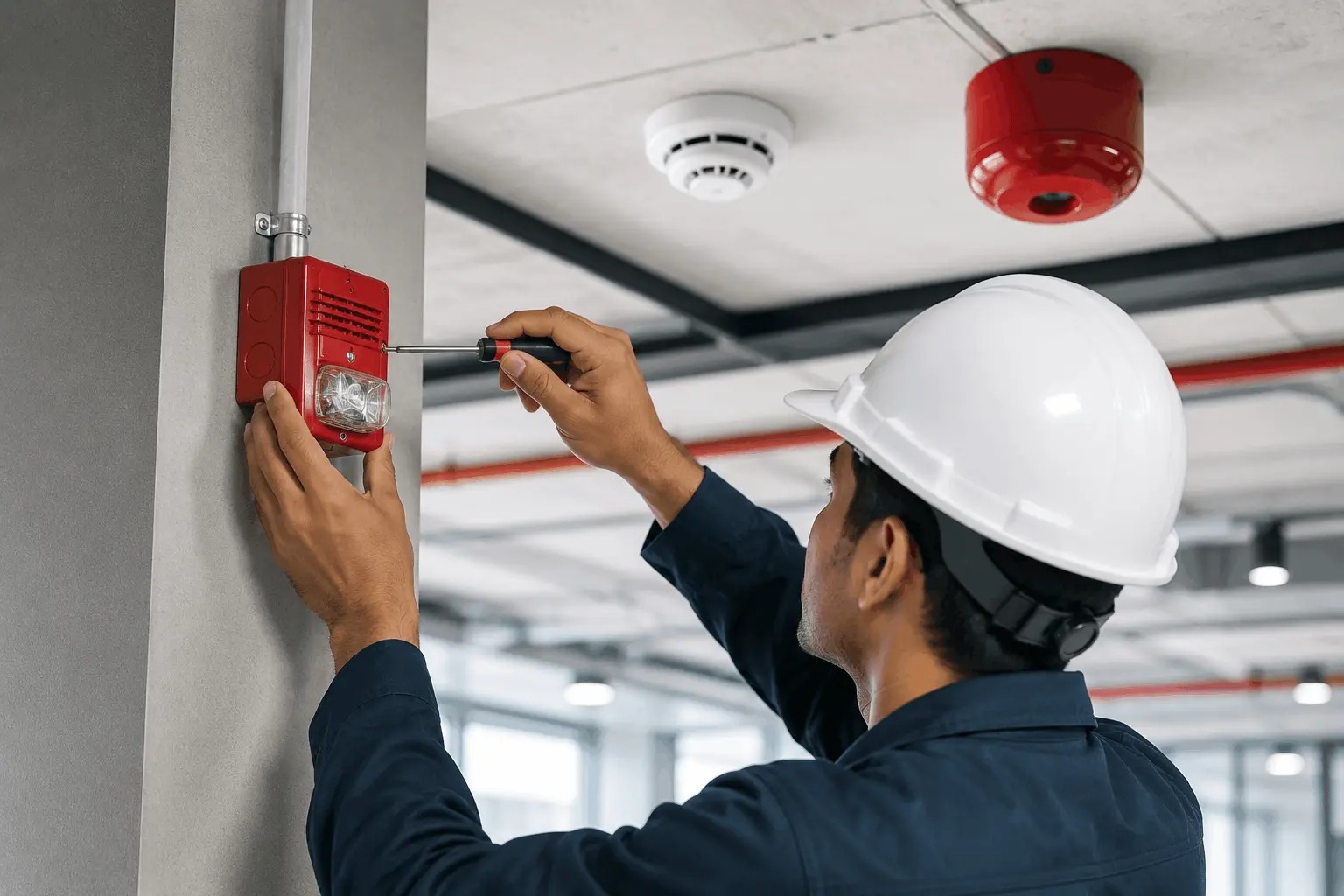
Importance of Inspection Documentation and Reporting
Accurate records provide structured safety governance across alarm systems, ensuring documentation clarity and traceability of maintenance actions and system checks. Technical evaluation includes routine fire alarm testing to validate detector response and alarm activation accuracy. Compliance records strengthen annual fire alarm inspection accountability across facility management systems. Reporting frameworks improve visibility trends.
| Area | Purpose | Benefit |
|---|---|---|
| Documentation | Logs system activity | Clear records |
| Testing | Structural component checks | Reliable response |
| Reporting | Inspection records | Compliance support |
How Frequently Fire Alarm Systems Require Testing
Scheduled safety routines maintain consistent alarm performance across protected environments. Regular verification improves detection accuracy and system responsiveness. Regulatory guidance positions an annual fire alarm inspection as a baseline requirement for system reliability across multiple facility types.
Test cycles improve early identification of functional degradation within alarm networks. Performance checks improve signal integrity across detectors and notification devices.
Maintenance Planning and Risk Mitigation
Planning reduces the risk of unnoticed faults across critical safety infrastructure, while system audits confirm readiness across emergency response pathways. Consistent operational control improves stable alarm readiness across multiple detection zones and interconnected safety components under monitored protocols and compliance systems.
To ensure these procedures meet statutory British safety baselines, all workplace system testing must strictly satisfy the code requirements established under the Regulatory Reform (Fire Safety) Order 2005. Responsible property managers can review applicable fire safety legislation and industry guidance to ensure their alarm maintenance programme remains effective and compliant.
Annual Fire Alarm Inspection Checklist
A professional annual fire alarm inspection typically includes the following checks:
- Verification of fire alarm control panel operation
- Testing of manual call points
- Inspection of smoke and heat detectors
- Testing of audible and visual alarm devices
- Examination of backup batteries and power supplies
- Verification of zone identification and labelling
- Assessment of fault monitoring systems
- Review of alarm event logs and maintenance records
- Inspection of wiring connections and containment systems
- Confirmation of signal transmission performance
- Evaluation of detector positioning and accessibility
- Verification of interface connections with other fire safety systems
- Assessment of alarm response times
- Review of previous defects and remedial actions
- Final operational test of the complete system
Following a structured inspection checklist helps maintain consistency across maintenance programmes and supports reliable alarm performance throughout the year.
Cost Factors for Annual Fire Alarm Inspection Services
Service charges depend on system size, design, and equipment condition. Large alarm networks need more time for checks and repairs. Simple systems need less effort. Maintenance time, access level, and technical work affect service planning. Regular checks support safe performance and reliable alarm response across all building types.
| Service Factor | Price Range |
|---|---|
| System Size | £120 – £350 |
| Equipment Condition | £100 – £300 |
| Technical Scope | £150 – £400 |
| Access Level | £90 – £250 |
| Reporting Work | £80 – £200 |
Importance of Testing Emergency Power Supplies and Batteries
Backup power systems keep fire alarms working during power cuts, and strong batteries help alarms send signals without interruption. An annual fire alarm inspection checks the power strength and backup. Extra energy is vital when electricity fails, and regular checks confirm stable emergency performance. Monitoring finds battery wear early, maintenance improves battery life, and reliable backup power keeps alarms active in all safety zones.
Frequently Asked Questions
Dust accumulation, wiring faults, and weak power supply often create delayed alarm response issues.
Regular maintenance, proper calibration, and timely repairs significantly improve system stability and performance levels.
System faults increase gradually, leading to reduced detection accuracy and higher safety risk exposure.
Correct sensor placement, routine checks, and sensitivity adjustments help maintain accurate alarm activation behaviour.
Structured inspection routines, trained technicians, and consistent monitoring improve overall system operational reliability.
Conclusion
Fire safety management depends on reliable alarm systems across all property types, and regular maintenance helps detect faults early and ensure safer operation. Continuous monitoring through an Annual Fire Alarm Inspection improves overall protection and system performance. Routine checks improve alarm response speed and communication during emergencies.
Proper servicing reduces hidden system issues over time and ensures compliance with safety standards. A documented annual inspection programme, supported by trained fire safety professionals, helps organisations maintain dependable fire detection capability while reducing the risk of unexpected system failures.
For expert help and trusted guidance, contact Landlord Certificate London for professional fire safety services and inspection guidance.
About the Author: HarisAdmin

Related Posts


Recent Posts
- Annual Fire Alarm Inspection Checklist and Industrial Facility Solutions Safety Plan: 5-Step Shield
- Fuse Box Installation by a Certified Fuse Box Electrician for Circuit Failures and Safety Control
- What are the Most Important Electrical Safety Checks in Commercial Landlord EICR Buildings?
- Can You Complete an Extinguisher Safety Test In-House to Save Money?
- What Is PAT Inspection and Why Is It Essential for Electrical Safety?





Get Social