




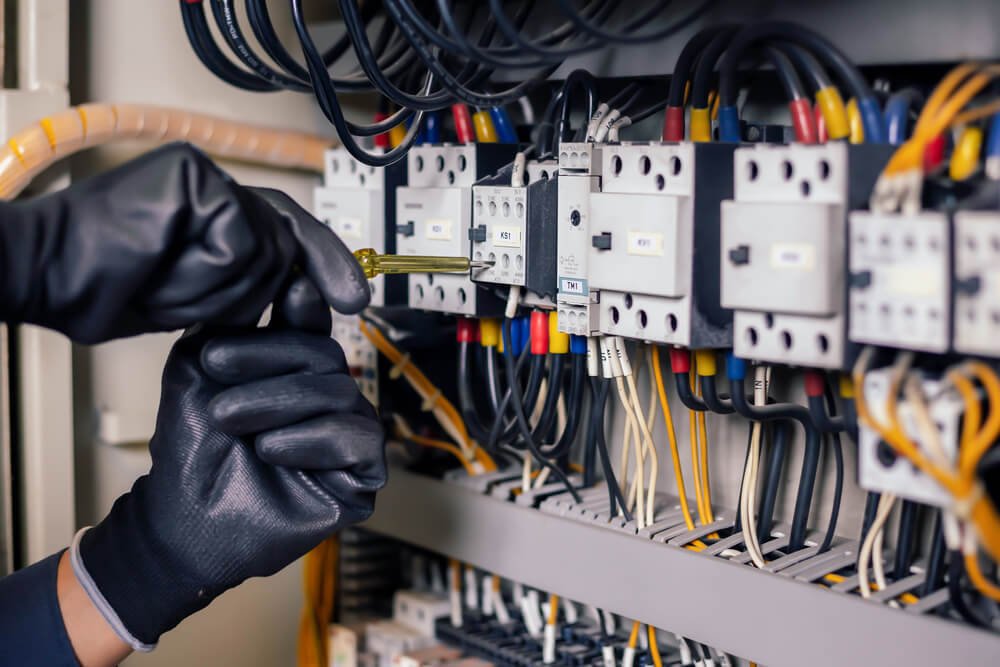
Yes—under the Electrical Safety Standards in the Private Rented Sector (England) Regulations 2020, private landlords in England must obtain a valid Electrical Installation Condition Report (EICR)—commonly referred to as a landlord electrical safety certificate—at least every five years. Failing to hold a current report or complete required remedial work can result in local authority civil penalties of up to £30,000.
At Landlord Certificate London, our qualified electrical engineers carry out thorough BS 7671 inspections across Greater London—helping landlords protect tenants, satisfy letting agents, and stay fully compliant.

Field Insight from Hassan Sharif
Business Development Manager & Compliance Specialist at Landlord Certificate London
“Many landlords assume an EICR is just a quick visual check of sockets and the fuse box, but councils and selective licensing teams look closely at the full schedule of test results. Across London boroughs like Newham, Camden, and Tower Hamlets, the two most frequent C2 failures our engineers uncover are missing RCD protection on socket circuits and absent main protective bonding to gas or water services. Understanding the difference between mandatory C1/C2/FI defects and advisory C3 recommendations saves landlords from unnecessary remedial work while keeping the 28-day compliance clock firmly under control.”

What Is an EICR & What Do Landlord Electrical Laws Require?
An Electrical Installation Condition Report (EICR) is a formal safety assessment of a property’s fixed wiring, consumer unit (fuse box), sockets, lighting circuits, and protective earthing. Carried out by a qualified and competent electrical engineer against IET Wiring Regulations (BS 7671), it confirms whether the installation is safe for continued use.
Per GOV.UK guidance for landlords and local authorities, private landlords must follow strict inspection, distribution, and remedial timelines:
- ✓5-year inspection cycle: Fixed electrical installations must be inspected and tested at intervals of no more than five years (or sooner if specified on the report).
- ✓Supplying tenants & councils: Give existing tenants a copy within 28 days, new tenants before occupation, and your local authority within 7 days of a request.
- ✓28-day remedial rule: If the report is Unsatisfactory (C1, C2, or FI), complete repairs within 28 days (or sooner if stated) and send written confirmation.
- ✓Record retention: Retain a copy of the EICR to hand over to the next inspector at your property’s subsequent five-yearly check.
EICR Observation Codes Explained: C1, C2, C3 & FI
Every defect or departure from BS 7671 noted during an inspection is assigned a standardised observation code. Knowing what each code means determines whether your property passes with a Satisfactory report or requires urgent remedial work.
| EICR Code | Official Meaning | Common Examples | Action Required |
|---|---|---|---|
| C1 | Danger present (risk of injury) | Exposed live wires, broken socket faceplates, missing MCB blanks | Unsatisfactory: Immediate action / make safe on site |
| C2 | Potentially dangerous | Missing RCD protection, absent main bonding, loose connections | Unsatisfactory: Urgent repair within 28 days |
| FI | Further investigation required | Unexplained circuit readings, inaccessible junction boxes | Unsatisfactory: Investigate & resolve within 28 days |
| C3 | Improvement recommended | Older plastic consumer unit in non-escape area, minor labelling | Satisfactory: Advisory only; no legal obligation to fix |
C1 vs C2 vs C3: Key Takeaways for Landlords
- ✓C1 (Danger Present): Poses an immediate risk of electric shock or fire. Engineers will normally isolate the affected circuit or make it safe before leaving.
- ✓C2 (Potentially Dangerous): Not immediately hazardous in normal use, but could become dangerous under fault conditions. Triggers a mandatory 28-day repair deadline.
- ✓C3 (Improvement Recommended): Your installation still passes with a Satisfactory outcome. You are not legally required to carry out C3 upgrades, though doing so improves long-term safety.

Landlord Electrical Safety Certificate Pricing in London
We keep London landlord EICR pricing straightforward with fixed residential tiers based on property size:
| Property Size / Type | Fixed Price | Certification Included |
|---|---|---|
| Studio Flat | £67.99 | Full BS 7671 EICR Report |
| 1–3 Bedroom Property | £94.99 | Full BS 7671 EICR Report |
| 4 Bedroom Property | £104.99 | Full BS 7671 EICR Report |
| 5 Bedroom / HMO | £139.99 | Full BS 7671 EICR Report |
Where applicable in central or restricted zones, transparent extras are limited to £5 for parking and £18 for the London Congestion Charge—no hidden call-out fees.
Other Landlord Electrical & Compliance Services
If you manage multiple properties, commercial units, or HMOs across London, you can also combine your EICR with our related electrical testing and installation services:
| Service | Service | Service |
|---|---|---|
| Commercial EICR | Emergency Light Certificate | Electrical Diagnostic |
| PAT Testing | Fuse Box Installation | Call 020 4518 8198 |
Frequently Asked Questions
+ Do landlords legally need an electrical safety certificate in England?
Yes. Under the Electrical Safety Standards in the Private Rented Sector (England) Regulations 2020, private landlords must have fixed electrical installations inspected and tested by a qualified person at least every five years and obtain a written EICR.
+ Do I have to fix a C3 code on an EICR?
No. A C3 code (improvement recommended) still results in a Satisfactory EICR and carries no legal obligation to carry out remedial work. Only C1, C2, and FI codes require mandatory action within 28 days.
+ Who must receive a copy of the landlord EICR?
You must give a copy to existing tenants within 28 days of the inspection, to new tenants before they move in, to prospective tenants within 28 days of a written request, and to your local authority within 7 days if requested.
+ What is the penalty for not having a valid landlord EICR?
Local authorities can serve a remedial notice and impose civil financial penalties of up to £30,000 for breaches of the electrical safety regulations, as well as arrange remedial work directly and recover costs from the landlord.
About the Author: Hassan Sharif

Related Posts


Get Social
Recent Posts
- Asbestos Management Surveys for London Rental Properties: CAR 2012 Landlord Guide
- Commercial Fire Risk Assessment London: Workplace Fire Compliance & Safety Certification
- Commercial Gas Safety Certificate CP42 London: Commercial Kitchen & Catering Compliance
- Landlord Gas Safety Certificate CP12 London: Annual Inspection & Legal Compliance Guide
- Commercial EICR London: Business Electrical Testing & Workplace Compliance Guide