




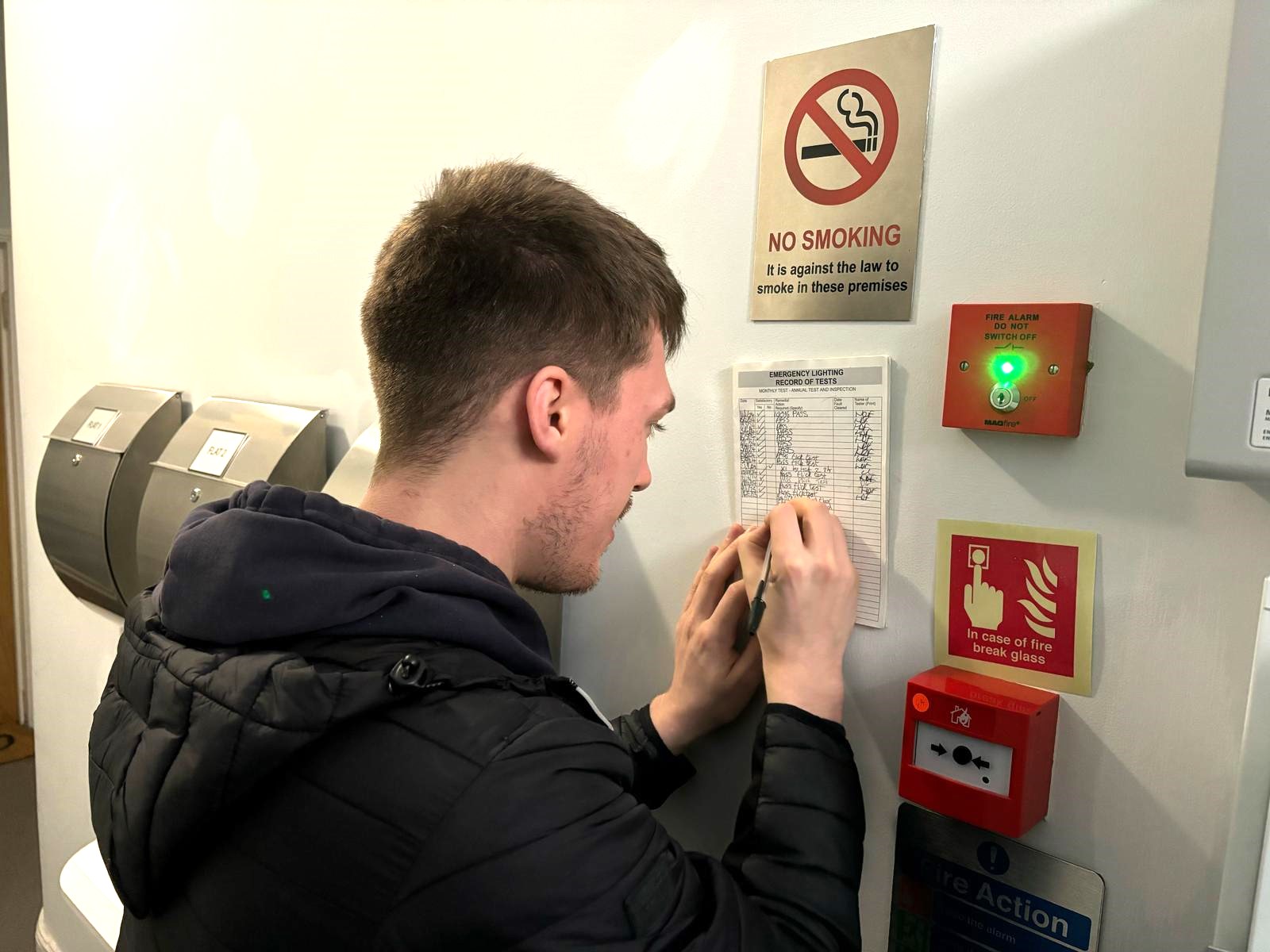
Early warning signs often appear in emergency lighting systems. Changes in brightness, activation time, or performance may indicate hidden faults that could affect safe evacuation during a power failure. An emergency lighting assessment should be arranged when backup lights show signs of reduced performance. Regular emergency lighting checks help identify faults in exit routes, corridors, stairways, and other critical areas before they become serious.
Key Takeaways
- Early warning signs often appear before complete system failure
- Backup lights must activate during a power outage
- Flickering may indicate unstable electrical performance
- Dim light output can reduce visibility along escape routes
- Weak batteries affect emergency readiness
- Charging faults reduce system reliability
- Physical damage may create additional safety risks
- Regular testing helps prevent unexpected failure
- Routine maintenance improves long-term performance
- Clear exit visibility depends on reliable emergency lighting
What Are the Common Signs of Emergency Lighting Failure?
Flickering and delayed activation may indicate unstable power delivery, weak batteries, or faults within the emergency lighting system. An emergency lighting assessment helps identify uneven or inadequate illumination along evacuation routes. A professional inspection can also detect faulty circuits, damaged components, and other weak points within the system.
Reduced brightness may indicate battery deterioration, ageing lamps, or declining system performance. Dust, wiring corrosion, and voltage stress can also reduce reliability. Early fault detection lowers the risk of sudden lighting failure and improves emergency preparedness.
4 Critical Emergency Lighting Failure Signs You Should Never Ignore
Emergency lighting systems often display warning signs before complete failure. Identifying these four critical indicators early can help maintain reliable operation, support compliance, and reduce the risk of failure during an emergency.
- Battery weakness leading to reduced backup time
- Flickering or unstable emergency light output
- Delayed activation during a power failure
- Wiring faults causing inconsistent system performance
Why Dim Emergency Lights Require Immediate Assessment
Reduced light levels may indicate that the batteries, lamps, or internal components are deteriorating and may not provide sufficient illumination during a power failure. A professional assessment can identify areas where emergency lighting levels are too low for safe evacuation.
Voltage fluctuations, ageing batteries, overheating, and damaged components can cause uneven brightness and create unsafe dark areas. These problems should be investigated before they affect the safe use of corridors, stairways, or exit routes.
Why Do Emergency Lights Flicker During a Power Failure?
Emergency lights may flicker during a power failure because of weak batteries, loose electrical connections, faulty control gear, or unstable voltage. An emergency lighting assessment can identify the electrical or battery-related fault causing the flickering.
Inconsistent power delivery may cause emergency light fittings to flicker or operate at different brightness levels. If the issue is ignored, the system may fail to provide stable illumination during an evacuation.
Common Emergency Lighting Battery Problems and Warning Signs
Battery faults can reduce the reliability and duration of emergency lighting when steady illumination is required for safe evacuation. An emergency lighting assessment can identify reduced battery capacity, charging faults, and poor backup performance before complete failure occurs.
Overcharging can shorten battery life and reduce long-term performance. Damaged battery cells may cause inconsistent power delivery, reduced brightness, or shortened emergency operation time.
Poor maintenance accelerates battery deterioration, while excessive heat can shorten battery life and reduce performance. Timely battery replacement helps maintain reliable backup power and continuous emergency illumination during an evacuation.
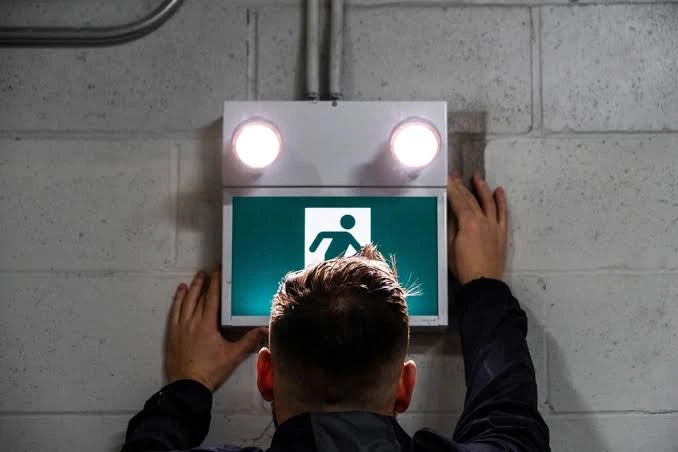
How Poor Emergency Lighting Reduces Building Safety
Low emergency lighting levels can make exit routes difficult to identify when occupants need to evacuate safely. An emergency lighting assessment identifies inadequate illumination that could affect navigation during a mains power failure.
Dark areas in corridors, stairways, and near exits can cause confusion and delay evacuation. Uneven illumination can also reduce visibility in key parts of the building. Regular inspections help maintain suitable lighting levels and reduce evacuation risks during power failures.
| Issue | Effect | Risk |
|---|---|---|
| Low brightness | Weak light output | Poor visibility |
| Dark zones | Uneven lighting | Confusion during evacuation |
| Ageing components | Reduced performance | Lower system reliability |
| Poor maintenance | Progressive system decline | Higher risk of failure |
How Often Should Emergency Lighting Be Tested?
Regular emergency lighting testing helps ensure that the system is ready to operate when normal power fails. An emergency lighting assessment confirms whether backup lights activate correctly and provide sufficient illumination during a power failure.
Basic testing steps include:
- Check emergency lights every month
- Use the system’s test switch or approved testing method to simulate a mains power failure
- Confirm that emergency light fittings activate correctly
- Make sure exit signs remain visible in reduced-light conditions
- Look for dim output, flickering, or slow activation
- Record faults and arrange repairs
- Arrange a full-duration discharge test and professional inspection at least once a year
- Increase checks in busy or high-use buildings where appropriate
Monthly functional tests confirm that the lights activate correctly, while an annual full-duration test assesses battery capacity and overall system performance.
Emergency Lighting Assessment Cost: What Should You Expect?
The cost of an emergency lighting assessment depends on the size of the building, the number of fittings, the condition of the system, and the scope of testing required.
Pricing may also vary according to:
- The number of emergency light fittings
- The size and layout of the property
- The maintenance history of the system
- Equipment condition
- Reporting requirements
- Whether fault diagnosis is required
- The duration of testing
- The location of the property
Older or poorly maintained systems may require more detailed testing and fault investigation. A professional inspection provides greater confidence in the system’s condition and helps identify faults requiring repair.
For an accurate quotation, the property size, number of fittings, service scope, and access requirements should be confirmed before the inspection.
How Faulty Emergency Light Chargers Affect System Performance
Faulty charging components can prevent batteries from charging correctly. Loose connections, overheating, voltage fluctuations, or damaged control gear may reduce battery capacity and cause emergency lights to fail during a power cut.
Charging faults may also cause batteries to become overcharged or undercharged. Both conditions can reduce battery lifespan and affect the system’s ability to provide emergency illumination for the required duration.
What Types of Emergency Lighting Damage Need Immediate Attention?
Physical damage to emergency light fittings requires immediate attention. Cracked housings, exposed wiring, burn marks, water ingress, damaged diffusers, and loose mountings can affect electrical safety, light output, and system reliability.
Signs that require urgent inspection include:
- Cracked or broken light fittings
- Exposed or damaged wiring
- Burn marks or signs of overheating
- Water damage or moisture inside fittings
- Loose or unstable mountings
- Damaged diffusers
- Missing covers or components
- Corrosion around electrical connections
Damaged fittings should be inspected and repaired by a competent professional as soon as possible.
How Often Should Emergency Lighting Systems Be Inspected?
Scheduled testing helps maintain reliable emergency lighting throughout a building. Monthly functional checks confirm that fittings activate correctly, while annual full-duration tests assess battery performance and overall system condition.
Additional inspections may be required after:
- Electrical alterations
- Building refurbishment
- Changes in property use
- Damage to light fittings
- Battery failure
- Dim or uneven lighting
- Wiring faults
- Flickering
- Delayed activation
- A recorded system fault
Regular monitoring reduces the likelihood of unexpected failure and helps maintain dependable emergency lighting.
Emergency Lighting Maintenance Tips to Improve System Reliability
Regular maintenance helps emergency lighting systems remain reliable. Cleaning fittings improves light output, battery testing confirms backup capacity, wiring inspections identify electrical faults, and correct fixture positioning supports clear visibility along escape routes.
Recommended maintenance steps include:
- Clean light fittings and exit signs regularly
- Test battery performance
- Inspect wiring and electrical connections
- Check fittings for physical damage
- Confirm that lights are correctly positioned
- Replace weak or damaged batteries
- Record test results and maintenance work
- Arrange professional servicing when faults are identified
Frequently Asked Questions
Early warning signs include dim light output, flickering, delayed activation, battery faults, and fittings that fail to illuminate during testing.
Emergency lights may flicker because of loose wiring, weak batteries, faulty control gear, or unstable voltage.
Dim emergency lighting may be caused by ageing batteries, damaged lamps, voltage problems, overheating, dirty fittings, or poor maintenance.
Healthy batteries ensure that emergency lights remain illuminated for the required duration during a power failure.
Emergency lighting should normally receive monthly functional testing and an annual full-duration test, with results recorded in the fire safety logbook.
The fault should be recorded, and the fitting should be inspected, repaired, or replaced as soon as possible.
Routine visual checks may be completed by a responsible person, but full inspections, fault diagnosis, repairs, and electrical testing should be carried out by a competent professional.
Final Thoughts on Emergency Lighting Assessment and System Safety
Safe evacuation depends on reliable emergency lighting across all relevant areas of a building. Regular emergency lighting assessments help maintain system performance, confirm backup readiness, and reduce evacuation risks during power failures.
Battery condition, charging performance, wiring integrity, and light output all contribute to the effectiveness of the system. Routine testing and timely maintenance reduce the likelihood of unexpected failure during an emergency.
Adequate emergency illumination helps occupants identify escape routes and evacuate more safely. Property owners, landlords, business operators, and Responsible Persons should therefore treat emergency lighting inspections as an essential part of ongoing fire safety management.
For professional emergency lighting testing in London, contact Landlord Certificate London. Our experienced engineers inspect emergency light fittings, test battery performance, identify faults, and provide clear documentation to help landlords, businesses, and property managers maintain safe and compliant premises.
About the Author: HarisAdmin

Related Posts
Recent Posts
- Emergency Lighting Assessment Failure Signs: 4 Critical Indicators Your System Needs Immediate Attention
- Annual Fire Alarm Inspection Checklist and Industrial Facility Solutions Safety Plan: 5-Step Shield
- Fuse Box Installation by a Certified Fuse Box Electrician for Circuit Failures and Safety Control
- What are the Most Important Electrical Safety Checks in Commercial Landlord EICR Buildings?
- Can You Complete an Extinguisher Safety Test In-House to Save Money?








Get Social