




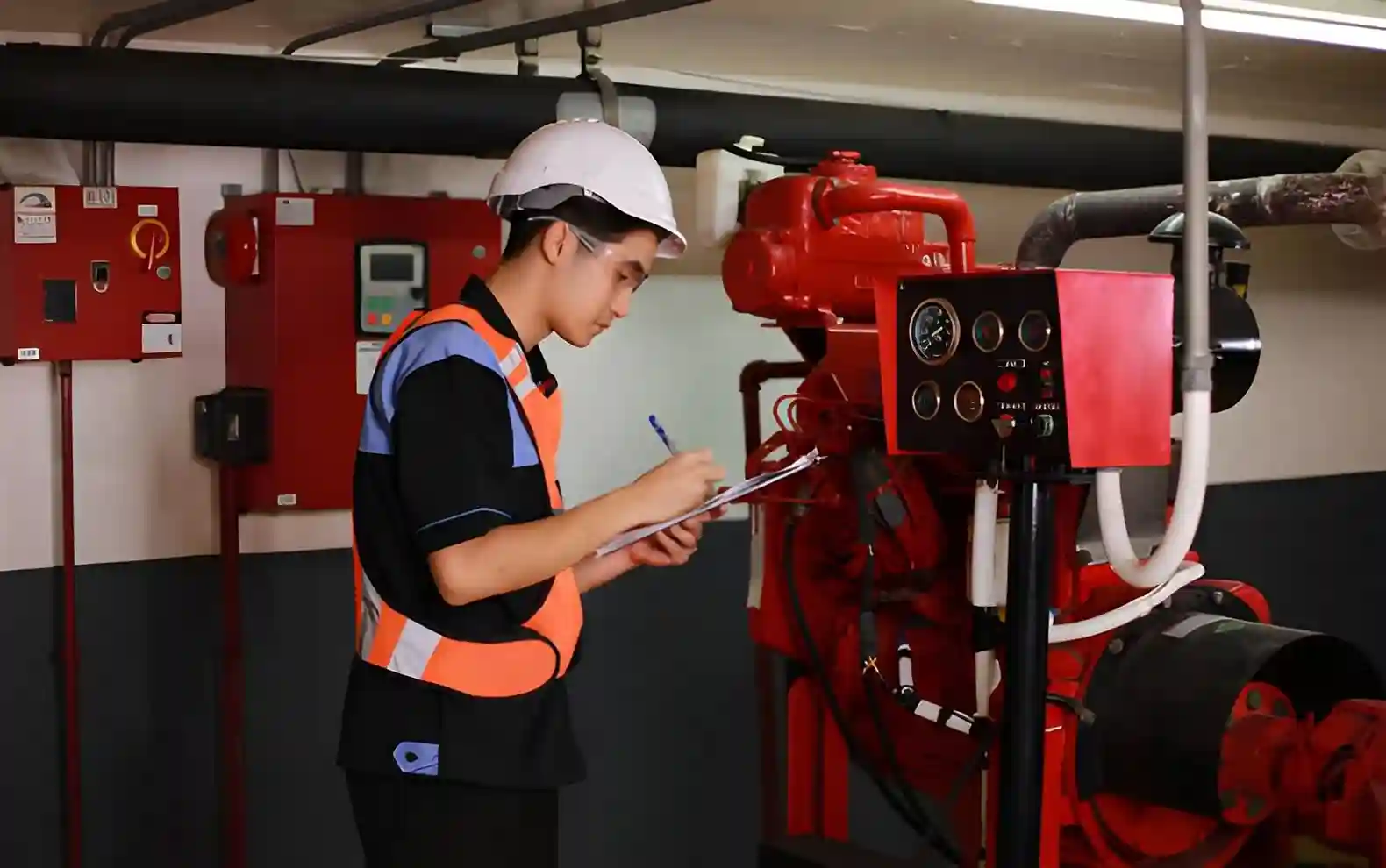
Fire safety is easy to reduce to a checklist: fit alarms, inspect the doors and keep a certificate on file. In reality, safe buildings need regular attention.
Fire Safety Compliance means understanding the risks in a building, putting suitable precautions in place and checking that they still work. A family house, an HMO, a block of flats and a shop beneath residential accommodation will not share the same risks.
This guide explains the practical steps property owners should take to protect occupants.
Start with the fire risk assessment
For workplaces and the shared areas of many residential buildings, the fire risk assessment is the foundation of Fire Safety Compliance. It should identify ignition sources, combustible materials, people at risk, escape routes and weaknesses in existing precautions.
The assessment must reflect the actual building. A generic form completed without inspecting the premises is unlikely to explain whether the alarm is suitable, whether doors protect the escape route or whether vulnerable occupants need extra support.
The Responsible Person must record the assessment and fire-safety arrangements, keep them under review and act on the findings. Appointing an assessor does not transfer that responsibility. Complex premises should therefore be assessed by someone with suitable training and experience.
Property owners can arrange a professional fire risk assessment in London. Government guidance also explains the duties placed on Responsible Persons under fire-safety law. (GOV.UK)
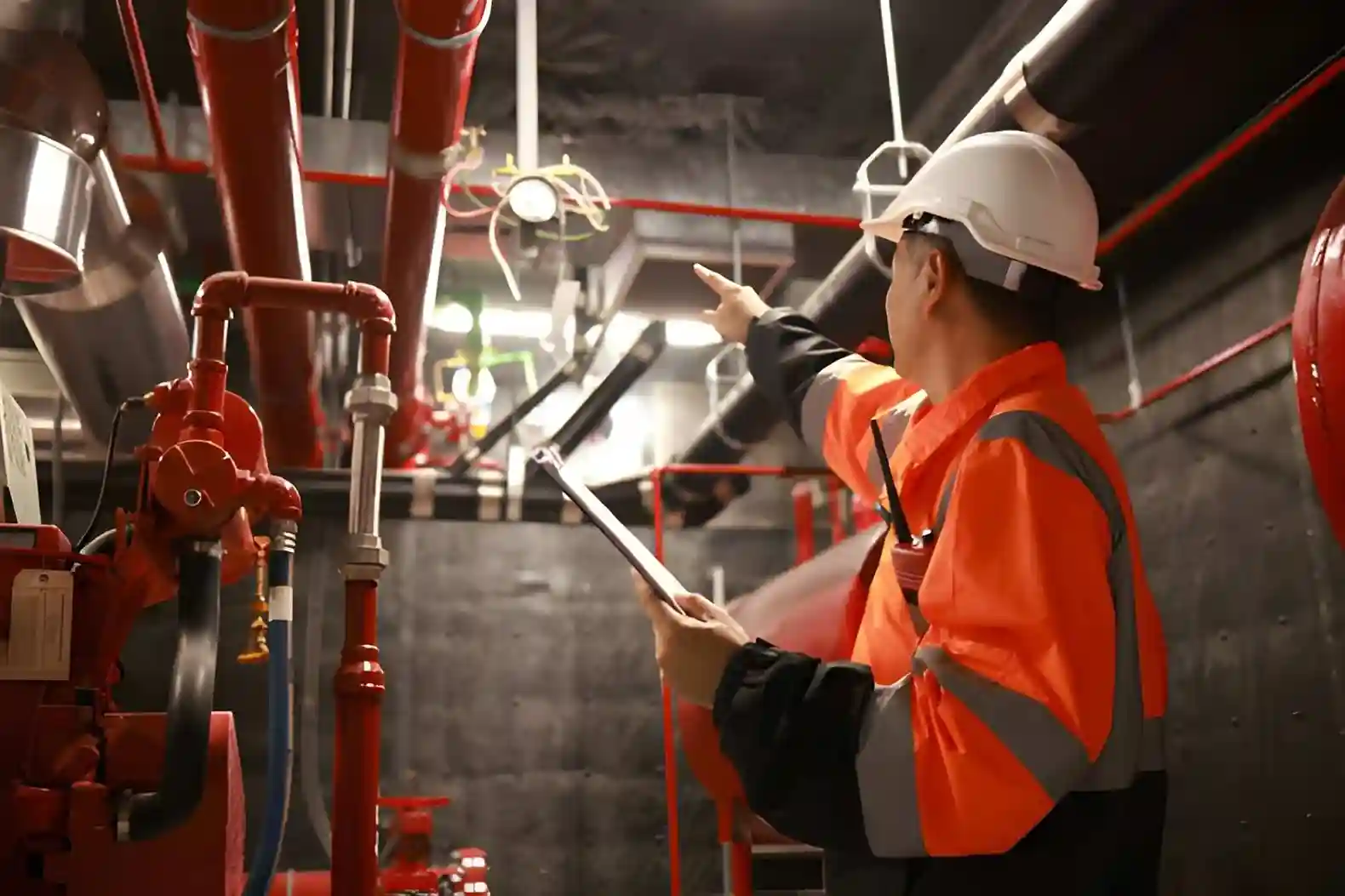
Different buildings need different precautions
Fire Safety Compliance is not identical across every property type.
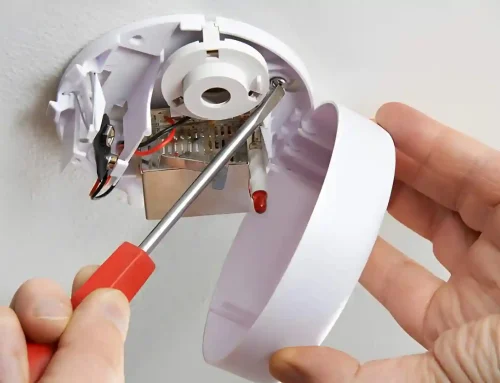
In an ordinary rented home in England, landlords must provide at least one smoke alarm on each storey containing living accommodation. A carbon monoxide alarm is also required in rooms used as living accommodation where there is a fixed combustion appliance, except a gas cooker. Required alarms must work at the beginning of a new tenancy, and reported faults must be repaired or replaced where necessary. (GOV.UK)
HMOs often need more protection because occupants may have different routines and share escape routes. Depending on the layout, licence conditions and risk assessment, precautions may include interlinked alarms, protected stairways, fire-resisting doors, emergency lighting and firefighting equipment.
In blocks of flats, the Fire Safety Order generally applies to communal areas. The building’s structure, external walls and flat entrance doors may also need consideration. Residents should receive clear instructions about the evacuation strategy, reporting a fire and looking after fire doors.
For residential buildings over 11 metres, Responsible Persons must arrange quarterly checks of communal fire doors and use best endeavours to check flat entrance doors annually. (GOV.UK)
Install the right fire alarm system
An alarm should give people enough warning to react and reach safety. The right system depends on the building’s size, use, layout and evacuation strategy.
A small rented house may need properly positioned domestic alarms. A large HMO, office or mixed-use property may require a panel-based system with manual call points, sounders, detectors and alarm zones. Some buildings also need visual warning devices for occupants who are deaf or hard of hearing.
Avoid choosing equipment before understanding the risk. Too little detection may leave dangerous gaps, while badly selected detectors can cause false alarms. A competent designer should consider kitchens, sleeping areas, escape routes, noise levels and any connection to doors or smoke-control equipment.
Where a new system or upgrade is needed, arrange a survey through the fire alarm installation service.

Protect escape routes
During a fire, a familiar corridor can become difficult to use within seconds. Smoke reduces visibility, while stored items can narrow the route.
Keep corridors, stairs, landings and final exits free from bicycles, furniture, waste, deliveries and charging equipment. Exit doors should open as intended and should not require a complicated process when the building is occupied.
Fire doors slow the movement of fire and smoke, helping protect stairways and escape routes. Check that doors close fully, self-closing devices work, seals are not damaged and gaps have not become excessive. Never wedge a fire door open unless it is connected to an appropriate automatic release device.
Cables and pipes passing through fire-resisting walls can weaken compartmentation when openings are left unsealed. A detailed fire door inspection can identify problems missed during a routine check. Government guidance explains routine fire-door checks. (GOV.UK)
Check emergency lighting and firefighting equipment
Emergency lighting helps occupants follow escape routes when normal lighting fails. It may be needed in communal stairs, corridors, windowless areas, HMOs and commercial premises.
The system should be tested regularly, with faults recorded and repaired. An emergency lighting test can confirm whether fittings operate safely.
Fire extinguishers are not automatically necessary in every single-family rental. Their type, number and position should be based on the building’s use, licence conditions and fire risk assessment. When provided, they must be accessible, correctly signed and maintained. Arrange professional fire extinguisher testing.
Reduce everyday fire risks
Good Fire Safety Compliance begins with prevention. Keep plant rooms and electrical cupboards clear, store flammable materials safely and remove waste before it builds up. Cooking and heating equipment should be maintained, and hot work should be properly controlled.
Electrical faults are another concern. Repeated tripping, hot sockets, damaged accessories and burning smells should be investigated promptly. An appropriate EICR inspection can help identify defects in the fixed electrical installation.
Small habits matter. Do not allow residents or staff to charge damaged batteries, overload extension leads or leave combustible items beside heaters. Encourage people to report damaged alarms, doors and lighting.
Plan for an emergency
Every relevant building needs a clear emergency plan. It should explain how to raise the alarm, call the fire and rescue service and follow the correct evacuation strategy.
Do not copy a “stay put” or simultaneous evacuation policy from another property. The strategy must match the construction, alarm arrangements and fire risk assessment for the building.
People who may struggle to evacuate need particular consideration. From 6 April 2026, Residential PEEP duties apply to specified high-rise residential buildings and certain buildings over 11 metres using simultaneous evacuation. The rules support person-centred assessments, proportionate measures and written emergency statements for residents needing assistance. (GOV.UK)
Instructions should use plain language and formats residents or employees can understand.
Keep reliable records
Paperwork alone does not create a safe building, but good records show whether important tasks are being completed.
Keep the fire risk assessment, action plan, alarm tests, servicing reports, emergency-lighting records, fire-door checks, extinguisher maintenance, training, drills and evidence of repairs. Record failed access attempts where an inspection could not be completed.
Avoid describing a basic visual check as a professional inspection. Clear records help identify overdue work and support future contractors.
Review arrangements when something changes
A fire risk assessment does not have one universal expiry date. It should be reviewed regularly and whenever there is reason to believe it may no longer be valid.
Review Fire Safety Compliance after building work, changes of use, increased occupancy, damage to fire precautions, a fire or serious near miss, or the arrival of an occupant who may need evacuation assistance.
The most effective approach is simple: assess the real risks, complete the recommended work and keep checking that the precautions remain suitable. To discuss your building, use the contact page or call 020 4518 8198.
About the Author: LandlordCertificate

Related Posts
Recent Posts
- Emergency Lighting Assessment Failure Signs: 4 Critical Indicators Your System Needs Immediate Attention
- Annual Fire Alarm Inspection Checklist and Industrial Facility Solutions Safety Plan: 5-Step Shield
- Fuse Box Installation by a Certified Fuse Box Electrician for Circuit Failures and Safety Control
- What are the Most Important Electrical Safety Checks in Commercial Landlord EICR Buildings?
- Can You Complete an Extinguisher Safety Test In-House to Save Money?




Get Social