



Electrical problems are not always easy to spot. A socket may look fine while a loose connection, damaged cable or poor earthing is hidden behind the wall. That is why a Residential EICR Certificate London is useful for landlords, homeowners and property managers who want a clear picture of their electrical installation.
An EICR, or Electrical Installation Condition Report, checks the fixed electrics in a home. It can highlight faults and safety risks before they become bigger problems.
What is a residential EICR?
A Residential EICR Certificate London is the report you receive after a qualified person inspects and tests the fixed electrical installation in a property.
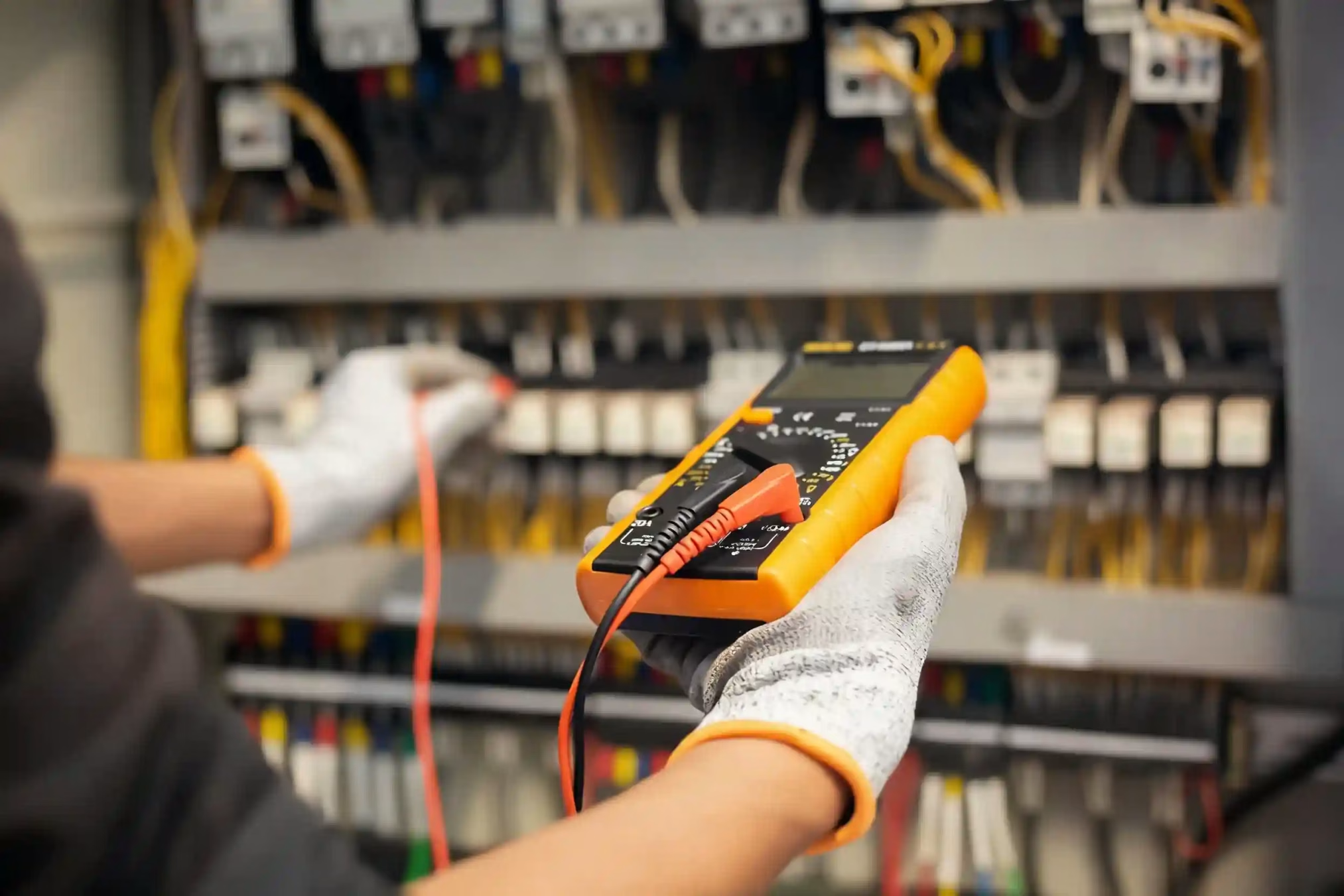
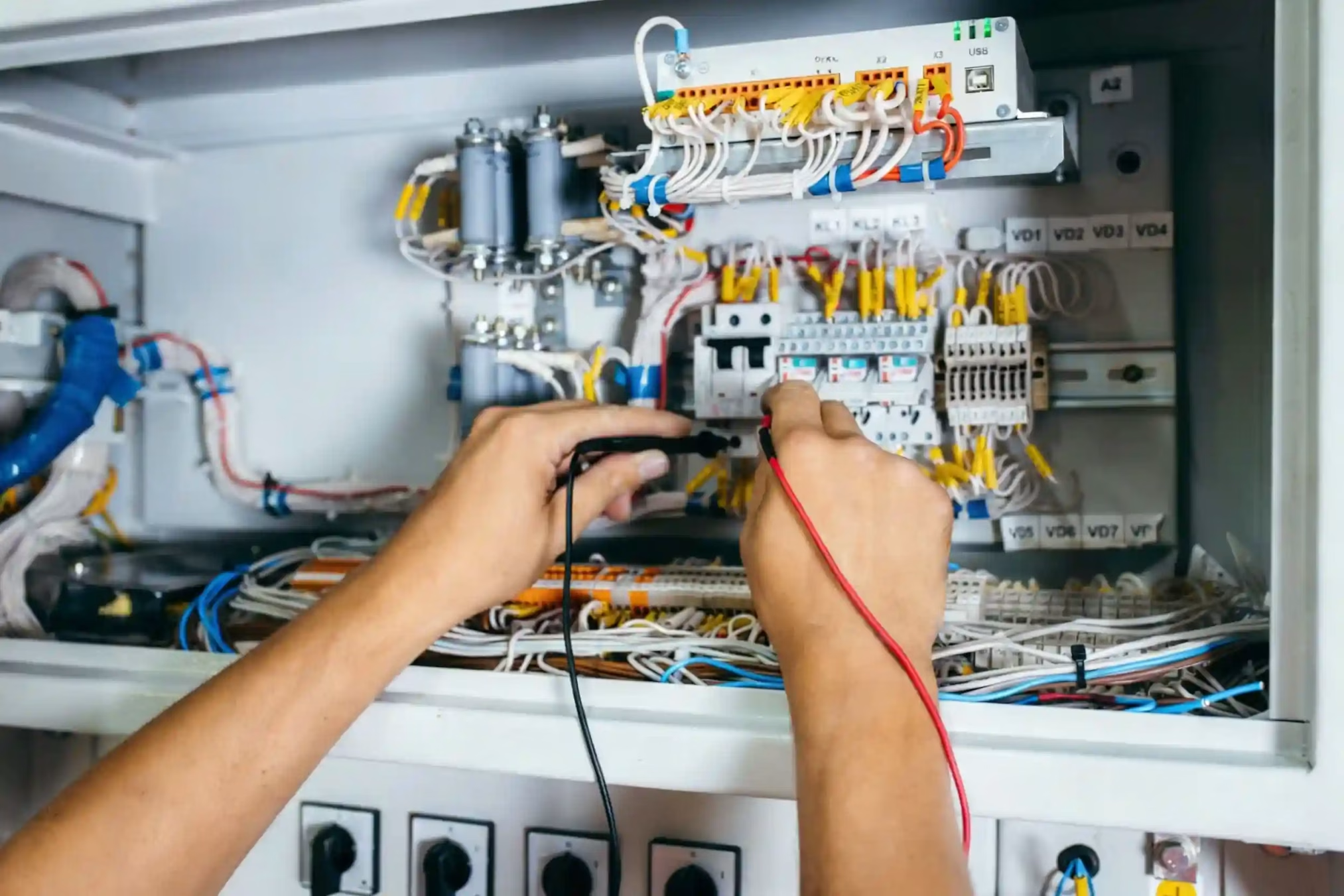
The inspection normally looks at the consumer unit, wiring, sockets, lighting circuits, earthing, bonding and protective devices such as RCDs. The electrician tests what is reasonably accessible and records any limits on the inspection.
People often call an EICR an “electrical safety certificate”. The formal name is Electrical Installation Condition Report because it records the condition of the installation at the time of testing.
Why is an EICR important?
Electrical installations age. Cables can become damaged, connections can loosen and old alterations may not have been completed properly. A Residential EICR Certificate London gives you a practical way to find these issues.
An inspection can identify possible shock risks, fire hazards, poor earthing, damaged accessories and other faults. It also gives the property owner a written record of what was checked and whether further work is needed.
Do London landlords need an EICR?
For rented homes in England covered by the electrical safety regulations, landlords must have the electrical installation inspected and tested by a qualified person at least every five years, or sooner if the previous report gives an earlier date.
A landlord must give an existing tenant a copy of the report within 28 days and give a new tenant a copy before they move in. If the local council asks for it, the report must normally be supplied within seven days.
The current rules are explained in the GOV.UK electrical safety guidance for rented homes.
Booking a Residential EICR Certificate London before the existing report expires can help avoid last-minute compliance problems. You can also book a residential EICR in London directly.

What happens during the inspection?
The electrician starts with a visual check. They may look for broken sockets, damaged wiring, signs of overheating, missing covers and problems around the consumer unit.
Electrical tests are then carried out on the circuits. These may include checks for insulation resistance, polarity, earthing, bonding and RCD operation.
Some tests require the power to be switched off for a short time, so tenants should be told in advance.
After the inspection, your Residential EICR Certificate London will show the test results, any faults found and the overall condition of the installation.
What do C1, C2, C3 and FI mean?
EICR reports use codes to show how serious an issue is:
- C1 – Danger present: immediate action is needed.
- C2 – Potentially dangerous: urgent remedial work is needed.
- C3 – Improvement recommended: the installation could be improved, but this code alone does not make the report unsatisfactory.
- FI – Further investigation required: something needs more investigation.
Electrical Safety First provides useful guidance on EICR classification codes.
A Residential EICR Certificate London with C1, C2 or FI observations will normally be marked unsatisfactory. That does not automatically mean the property needs a full rewire. Often, specific faults can be repaired.
What happens if the EICR is unsatisfactory?
The next step is to deal with the faults listed in the report. For rented homes covered by the regulations, required remedial or investigative work must generally be completed within 28 days, or sooner if the report gives a shorter period.
The work may involve replacing a damaged socket, fixing poor bonding, repairing a circuit, changing a faulty protective device or investigating an unusual test result.
If you have repeated tripping or unexplained power loss, an electrical diagnostic service may be useful. If the consumer unit is unsafe or no longer suitable, see the fuse box installation service.
A Residential EICR Certificate London should make the next steps clear rather than leave you guessing.
How long does a residential EICR last?
For rented homes covered by the regulations in England, the electrical installation must be inspected at least every five years. The report may also set an earlier date.
A change of tenant does not automatically mean a new EICR is required if the current satisfactory report is still within its inspection period. The new tenant must receive a copy before moving in.
Homeowners are not generally under the same five-year legal duty, but periodic checks can still be sensible, especially in older homes or where the wiring history is unclear.
Keeping your Residential EICR Certificate London with your property records makes it easier to check when the next inspection is due.
How much does an EICR cost in London?
The price depends on the size of the home, the number of circuits, the number of consumer units and access.
Before booking, check what the price includes and whether remedial work, parking or return visits cost extra.
For current prices and booking details, visit the EICR London service page.
How to prepare for an EICR
A few simple steps can make the visit easier:
- Make sure the consumer unit is easy to reach.
- Provide access to all rooms being inspected.
- Move belongings away from important sockets where possible.
- Share previous electrical reports or certificates.
- Tell the electrician about known faults.
- Let tenants know the power may be switched off briefly.
Good access also reduces the chance of unnecessary limitations being added to the report.
Book a residential EICR in London
If your report is close to expiry, you are starting a new tenancy or you simply want to check the wiring, it is better to arrange the inspection early.
Landlord Certificate London provides residential electrical inspections across London for landlords, homeowners, agents and property managers. You can book an EICR online or contact the team.
A Residential EICR Certificate London gives you a clear record of the fixed electrical installation and helps you act when safety work is needed.
Frequently Asked Questions
“Electrical safety certificate” is a common informal name. The correct document is an Electrical Installation Condition Report.
No. C3 means improvement is recommended. A C3 on its own does not make the report unsatisfactory.
No. It depends on the faults found. Many properties only need specific repairs or further investigation.
No. An EICR mainly checks the fixed installation. Portable appliances may need separate PAT testing.
About the Author: LandlordCertificate

Related Posts

Get Social
Recent Posts
- Emergency Lighting Assessment Failure Signs: 4 Critical Indicators Your System Needs Immediate Attention
- Annual Fire Alarm Inspection Checklist and Industrial Facility Solutions Safety Plan: 5-Step Shield
- Fuse Box Installation by a Certified Fuse Box Electrician for Circuit Failures and Safety Control
- What are the Most Important Electrical Safety Checks in Commercial Landlord EICR Buildings?
- Can You Complete an Extinguisher Safety Test In-House to Save Money?