



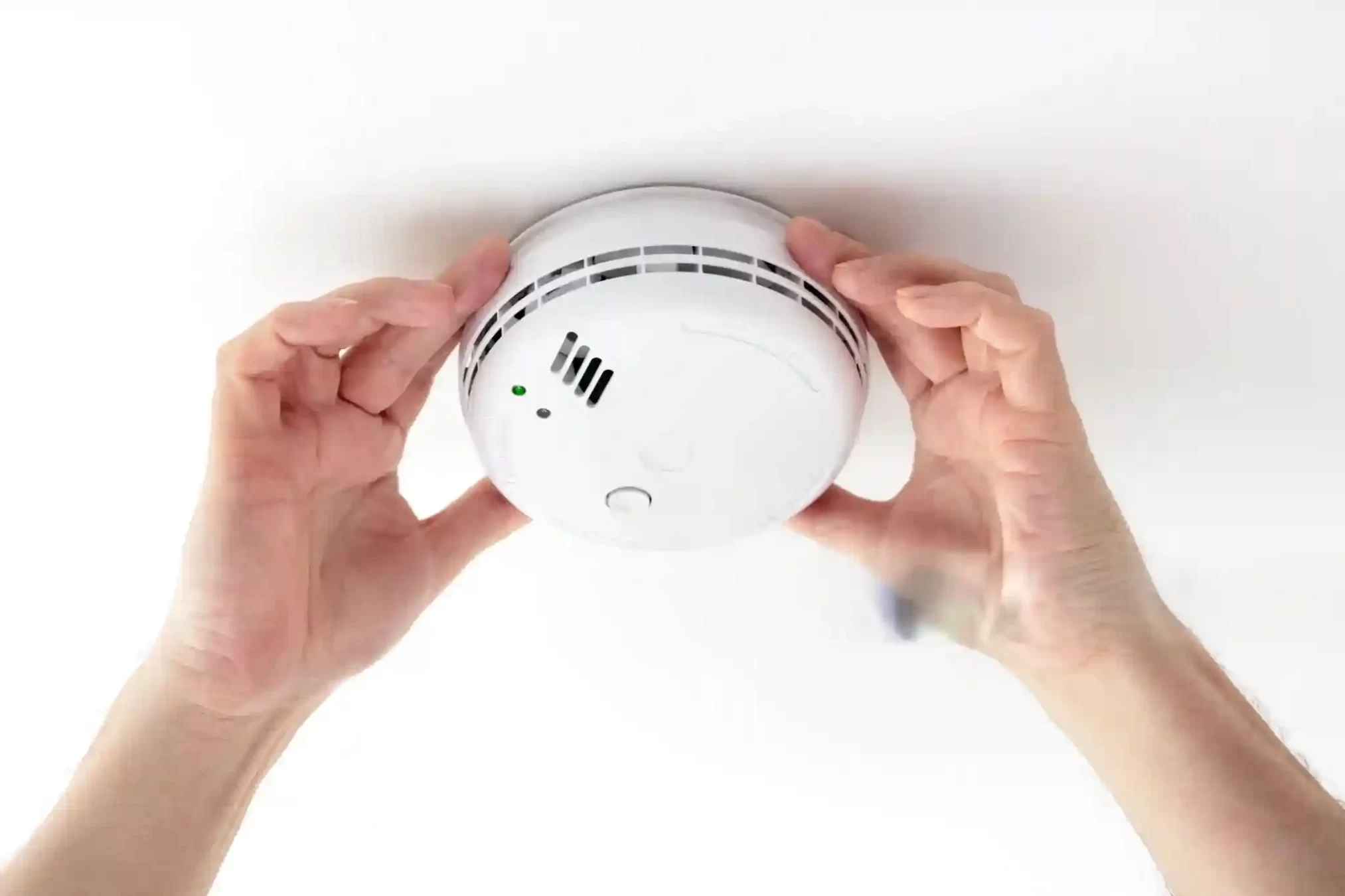
Fire Alarm System Integration with Other Safety Systems strengthens overall protection across a property. A fire alarm connects with emergency lighting, access control, and suppression equipment to support coordinated response. Clear signal sharing allows doors to release and escape routes to remain visible during an alert. Central monitoring links improve awareness across management teams. Fire alarm installation planning considers compatibility between devices and control panels. Smooth integration reduces signal conflict and improves reliability during critical moments. Installing fire alarms alongside other safety measures supports unified operation rather than isolated function. Modern platforms allow a new fire alarm to communicate with building management software and alert services without delay. Consistent integration supports compliance goals and operational clarity.
Key Takeaways
- Unified controls support calm actions during high-pressure events
- Clear signal flow reduces confusion across connected safety tools
- Aligned systems promote stable behavior during critical conditions
- Central oversight improves awareness across shared environments
- Planned coordination limits conflict between protective technologies
- Consistent testing maintains readiness across occupied properties
- Integrated design supports predictable responses under stress
- Structured planning improves reliability during unexpected events
- Coordinated alerts guide orderly movement through safe routes
- Unified safety strategy strengthens confidence across management
Safety Systems Connected to Fire Alarm Networks
Safety Systems Commonly Connected to Fire Alarm create coordinated protection across modern properties. A fire alarm system links with emergency lighting to maintain visibility during alerts and guide safe movement. Access control platforms connect to allow automatic door release and reduce obstruction. Smoke control equipment responds through shared signals that manage airflow and limit spread. Sprinkler interfaces activate suppression without delay and support rapid containment. Monitoring panels relay alerts to central dashboards for unified oversight. Communication tools broadcast clear audio messages across zones to support orderly response. A second fire alarm system connection often supports lift recall functions and prevents unsafe travel during incidents. Integrated design supports reliability and consistency across operations. Coordination across safety infrastructure reduces confusion and supports controlled response during critical moments.
Unified Safety Systems Improve Emergency Response
Why Unified Safety Systems Improve Emergency Response focuses on coordination rather than isolated action. A fire alarm system connected with lighting, access control, and suppression tools supports faster recognition of risk across a building. Shared signals allow systems to react together rather than in sequence. Doors release, alarms sound, and guidance remains clear during stressful conditions. Central oversight improves awareness and reduces confusion among response teams. Structured integration supports consistent behavior from every connected component. Operational clarity increases when alerts travel through a single network. A fire alarm system acting as the core trigger strengthens communication between safety functions. Unified design supports stability during critical events and reduces reliance on manual intervention. Coordinated systems promote confidence through predictable performance and aligned safety actions across occupied spaces.

Emergency Lighting Works During Fire Events
Emergency lighting supports safe movement during fire events through automatic response and clear visibility. Power change triggers luminaires to activate across escape routes and shared areas. Light output remains stable during smoke conditions and reduced visibility. Integration with a fire alarm system allows immediate activation without manual control. Clear illumination supports direction awareness and reduces panic across occupied spaces. Battery-backed units maintain function during supply failure and system stress. Control panels coordinate timing and coverage across zones. A fire alarm system also signals lighting circuits to remain active until conditions return to normal. Consistent illumination supports orderly exit flow and avoids obstruction near stairs and corridors. Coordinated lighting response reinforces overall safety strategy and maintains clarity during high-pressure situations across residential and commercial environments.
Automatic Door Release and Access Control Functions
Automatic Door Release and Access Control Functions support safe movement during fire conditions through coordinated system behavior. Signal exchange allows secured doors to unlock when alerts activate. Clear passage reduces congestion along escape routes and shared corridors. Integration planning aligns access control panels with a fire alarm to support instant response. Design teams align cabling and interfaces during fire alarm system installation to avoid delays and faults. Control logic supports lift grounding and restricted area release without manual action. Installing fire alarms alongside access control creates a unified fire alarm system across entry points. A new fire alarm also supports override functions that restore access once conditions stabilize. Coordinated release supports orderly evacuation and protects equipment from forced entry damage during emergency response across varied property layouts.
Managing Smoke Movement and Ventilation Response
Managing Smoke Movement and Ventilation Response supports visibility and controlled conditions during fire scenarios. Ventilation systems react to signals that manage airflow and limit smoke spread across occupied areas. Dampers close or open based on zone status to protect escape paths and stairwells. Coordinated design links extraction fans with detection signals to maintain pressure balance. Planning stages align ventilation logic with a fire alarm system to trigger an immediate response. Engineering teams address interface requirements during fire alarm system installation to ensure signal accuracy. Installing fire alarms alongside mechanical controls supports synchronized action across building services. A new fire alarm allows advanced coordination through programmable outputs and monitored feedback loops. Controlled smoke movement reduces disorientation and supports structured evacuation across complex layouts and shared environments.
Sprinkler Activation Signals and System Coordination
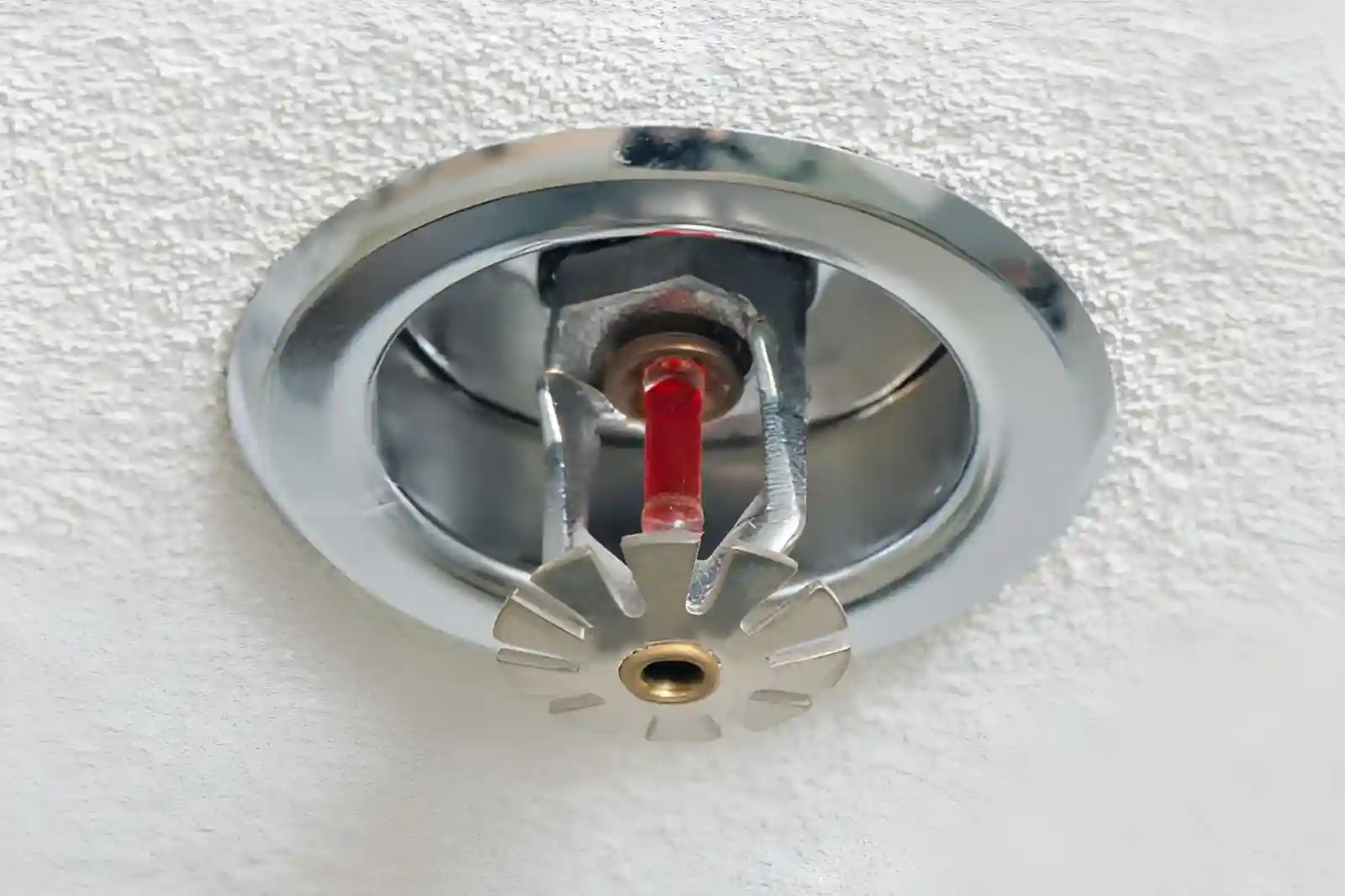
Sprinkler Activation Signals and System Coordination support rapid suppression and controlled response during fire conditions. Detection devices send activation signals that prompt water discharge across affected zones. Timely coordination limits heat spread and reduces structural stress. Control panels manage signal flow between detection and suppression components to maintain reliability. Design alignment ensures valves and pumps react without delay during critical moments. Integration planning connects suppression logic with alarms to maintain unified behavior. The phrase fire alarm system, sprinkler activation signals, and System Coordination central link between detection and discharge control. Signal verification processes reduce false activation and protect building assets. Coordinated response supports clear communication across safety infrastructure and maintains operational stability during high-pressure situations. Reliable suppression coordination improves the overall protection strategy and supports safer outcomes across complex property environments.
Linking Surveillance Systems for Incident Awareness
Linking Surveillance Systems for Incident Awareness enhances visibility during critical events across complex properties. Surveillance cameras provide live visual context that supports rapid assessment and controlled response. Central dashboards display feeds alongside alert notifications for coordinated monitoring. Clear visibility reduces uncertainty during stressful conditions and supports informed decisions. Access to real-time footage supports verification of alerts and location clarity. System alignment allows operators to view affected zones without delay. Integration supports review of movement patterns and area status during incidents. Secure network design maintains signal integrity and operational continuity. A single fire alarm system connection can trigger focused camera views around activated zones. Coordinated awareness supports structured response actions and protects occupants and assets. Unified monitoring also supports post-incident review through recorded data and synchronized timelines across safety infrastructure.
Testing Procedures for Connected Safety Technologies
Testing Procedures for Connected Safety Technologies maintain reliability across integrated protection networks. Coordinated verification confirms signal accuracy between alarms, lighting, access controls, ventilation, and monitoring platforms. Scheduled testing validates communication paths and response timing under controlled conditions. Documentation records outcomes and supports audit readiness across managed properties. Commissioning phases align interfaces and confirm compatibility across connected equipment. Ongoing verification maintains confidence during operational use and system updates. Technicians follow structured sequences to confirm activation logic and fault reporting. Integration checks align power backup performance and network stability. The phrase fire alarm system installation, connecting fire alarms, reflects unified planning across design and verification stages. Clear testing protocols reduce unexpected behavior and support dependable performance during critical conditions across diverse building environments.
Frequently Asked Questions
Coordinated signals enable faster awareness across systems and reduce confusion during emergency conditions, overall response.
Central monitoring improves decision clarity and supports timely actions from trained safety teams under pressure.
Integrated testing verifies communication paths and confirms reliable reactions across connected protective technologies during drills.
Unified control prevents conflicting behaviors and maintains predictable operations during complex incident scenarios across facilities.
Clear documentation supports audits and preserves confidence among stakeholders responsible for safety oversight and compliance.
Conclusion
Integrated safety design strengthens overall protection across complex properties. Coordinated communication between alarms, lighting, access control, ventilation, suppression, and monitoring supports predictability during critical conditions. Structured planning and verification reduce conflict between connected technologies and support operational clarity. Consistent alignment across systems promotes stability under pressure and supports orderly response actions. Clear documentation and routine checks maintain readiness across occupied environments. Unified configuration also supports compliance expectations and management confidence. Professional coordination across fire alarm system installation and testing phases creates dependable performance and reinforces safety objectives across residential, commercial, and mixed-use settings.
About the Author: LandlordCertificate

Related Posts

Get Social
Recent Posts
- Emergency Lighting Assessment Failure Signs: 4 Critical Indicators Your System Needs Immediate Attention
- Annual Fire Alarm Inspection Checklist and Industrial Facility Solutions Safety Plan: 5-Step Shield
- Fuse Box Installation by a Certified Fuse Box Electrician for Circuit Failures and Safety Control
- What are the Most Important Electrical Safety Checks in Commercial Landlord EICR Buildings?
- Can You Complete an Extinguisher Safety Test In-House to Save Money?