



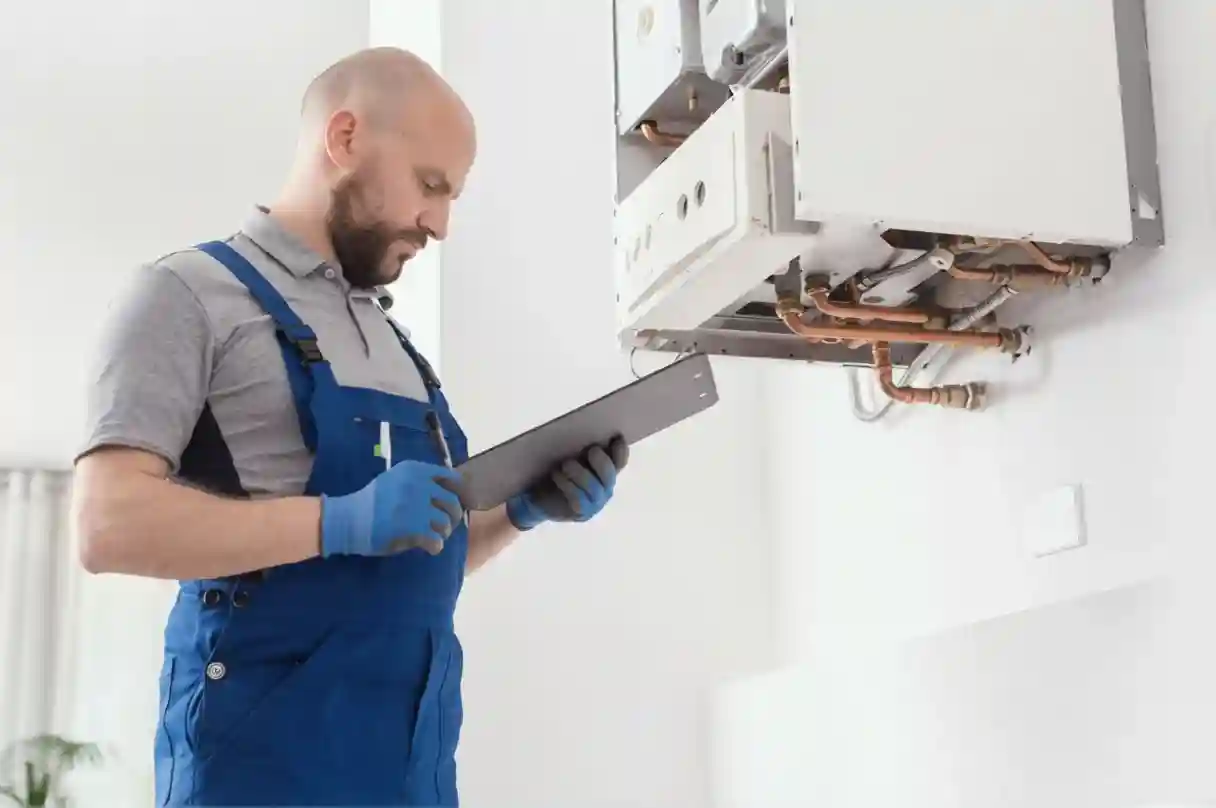
Gas safety certificate requirements highlight the need for regular assessments to keep the gas system safe, secure, and fully compliant with the requirements. Small faults in boilers, pipes or household appliances can grow quietly over the years and emerge without obvious warning.
Why Routine Monitoring Matters
Regular inspections help identify leaks, pressure issues, and ventilation faults at an early stage. The structured evaluation system also ensures that all gas systems are in proper operating condition and are in line with maintenance requirements. Routine monitoring reduces the risk of sudden accidents and supports better control of gas-related risks within the property environment.
Key Takeaways
- Gas safety improves with regular, structured inspections
- Small faults can turn into serious hazards over time
- Daily use can hide developing safety problems
- System checks reduce the risk of leaks and failures
- Equipment wear reduces protection if left unchecked
- Building updates can affect safety performance levels
- Clear access to gas appliances improves inspection and maintenance safety
- Safety devices need routine testing for proper function
- Records help confirm completed safety actions clearly
- Planned maintenance keeps property safety stable overall
Hidden Property Risks Regular Safety Reviews Can Reveal
Gas safety reviews highlight safety issues that stay hidden during normal use of a building. Small changes often build up quietly and increase risk over time. Regular checks help maintain safe operating conditions throughout the property.
Access Areas Around Gas Appliances Must Remain Clear
Finds blocked escape routes: Furniture or stored items may slowly reduce clear walkways. A review identifies blocked paths so people can move safely during emergencies.
Safety Equipment Can Weaken Without Warning
Gas shut-off valves, alarms, and ventilation systems may weaken or fail without notice. Regular checks reveal these faults early.
Gas Systems Can Become Unsafe Over Time
Poor ventilation systems and overused appliances can increase safety risks over time. A review helps detect ventilation faults and appliance-related safety risks.
Unsafe Habits Can Slowly Develop
Identifies bad habits: Unsafe routines like blocking doors can become normal. A fresh review corrects these actions.
Poor Housekeeping Can Increase Hazards
Dust and stored materials can build up over time. Regular reviews help maintain safer conditions around gas appliances and ventilation areas.
How Routine Inspections Prevent Major Gas Accidents
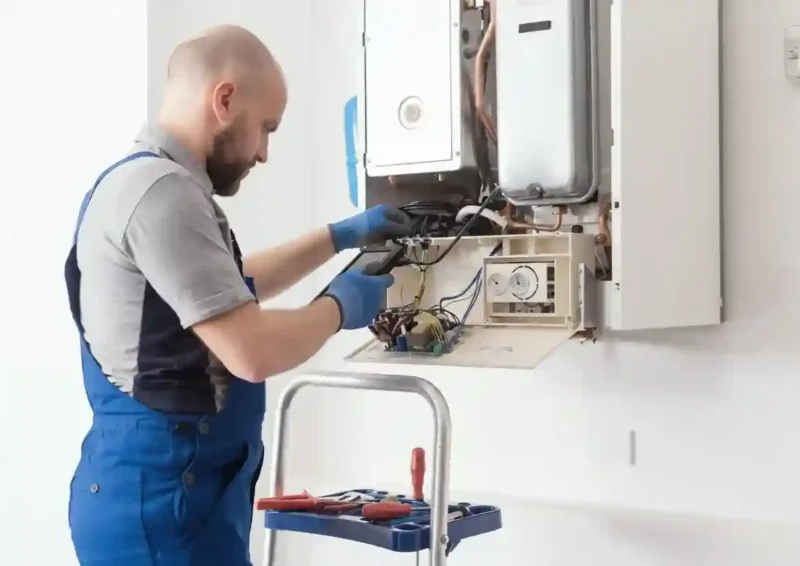
Inspections help identify hidden faults within gas systems before they develop into serious safety risks. Many issues start small and remain unnoticed during daily use. Gas Safe Register inspections help ensure gas systems operate safely and efficiently, and reduce unexpected failures inside a property.
Early Detection Helps Prevent System Failure
Spot failing seals early: Inspections identify worn seals, corroded pipes, and damaged insulation before they develop into leaks or system failure.
Safety Devices Must Be Tested Regularly
Safety components such as valves and protection switches are checked to confirm proper function during fault conditions.
Poor Installation Work Can Create Hidden Risks
Identifying poor workmanship: Inspections reveal loose fittings, weak pipe support, and unsafe wiring that can create hidden risks later.
Ageing Systems Need Continuous Monitoring
Track wear and age: System components are assessed for ageing signs like rust, brittleness, and reduced performance before major faults or system failure occur.
Maintenance Reports Keep Repairs on Track
Enforce maintenance: Inspection reports highlight defects clearly so repairs happen before issues lead to damage or safety risk.
Early Warning Signs You Should Never Ignore
Small warning signs often show problems early inside a property. These signs help reveal hidden faults before they turn serious.
Common Indicators of Hidden Property Issues
Flickering lights, damp marks, odd smells, and doors that do not close properly often show early system issues. These signs usually point to faults in gas appliances, ventilation systems, or related property safety systems.
Regular inspections, along with EICR ratings, gas economy ratings, and fire risk assessments, help address these defects promptly. Quick movement simplifies maintenance and prevents major issues like leaks, clogs, or blocked passageways later on.
Important Changes That May Affect Gas Safety Compliance
Building conditions and daily use patterns can change over time, and these changes may affect overall gas safety levels inside a property. Regular review helps keep safety controls aligned with current conditions so risks remain managed and escape routes stay clear.
| Area | Simple meaning |
|---|---|
| Layout | Changes in rooms or space affect escape paths |
| Occupancy | More people increase pressure on exits |
| Gas-related risks | New items or equipment raise risk levels |
| Safety systems | Devices may weaken or stop working |
| Housekeeping | Storage can block walkways over time |
Keeping Your Gas Safety Strategy Effective Year After Year
A gas safety plan remains effective when it stays consistent with modern building use, appliance condition, and property use. Regular updates help maintain strong safety standards and reduce risk inside the property.
Regular plan review
Safety plans need regular review so changes in layout, usage, or occupancy are reflected in escape routes and procedures.
Clear escape routes
Escape paths must remain free from obstruction so safe movement is possible during emergency situations.
Updated safety equipment
Gas detectors, shut-off valves, and ventilation systems need routine checks to ensure safe operation.
Staff awareness
Occupants should understand emergency procedures and gas safety measures clearly, so the response stays quick and organised.
Risk monitoring
Risks inside the property need continuous attention, so new risks do not remain unnoticed over time.
How Professional Assessors Maintain Safety Compliance Standards
Assessment procedures for gas safety certificate requirements use structured evaluation methods to ensure compliance with regulatory standards. Inspection frameworks focus on system integrity, hazard detection, and compliance verification. Technical review procedures identify deviations from required safety benchmarks across multiple building systems. Safety standards improve when inspection findings are followed by corrective actions.
Commercial Properties Require Stronger Safety Oversight
Commercial gas safety certificate requirements ensure compliance validation for business environments where gas systems operate under higher usage conditions. Safety management improves when certified inspections guide maintenance decisions. Continuous review cycles strengthen the reliability of safety systems across both residential and commercial property environments.
Priority Repairs Should Be Completed Quickly
Immediate correction of leaks, boiler issues, and pipe damage helps prevent the escalation of hazards across the property’s gas networks.
Schedule routine servicing
Regular servicing of boilers, pipework, and appliances maintains consistent performance and reduces unexpected breakdowns through planned technical inspection.
Safety Instructions Must Reflect Current Conditions
Safety instructions must reflect current appliance setup and usage patterns so gas handling and emergency response remain accurate and effective.
Reduce gas-related hazards
Proper ventilation and safe storage practices around gas appliances help control ignition risks and maintain balanced airflow within installation areas.
Ensure proper training
Clear instructions on safe appliance use and emergency response improve awareness and reduce operational mistakes across gas systems.
Track all actions
Accurate records of inspections, repairs, and engineer visits ensure compliance history remains clear and aligned with commercial gas safety certificate standards.
Frequently Asked Questions
They improve safety by finding hidden risks early and correcting issues before they escalate.
Final Thoughts on Maintaining Long-Term Property Safety
Gas safety management depends on regular evaluation, accurate inspection, and proper compliance across property systems. Routine review helps identify hidden risks as building conditions change, while inspection findings guide practical maintenance and system improvements clearly. Gas safety certificate requirements help ensure gas systems remain checked and compliant within overall safety management.
Consistent Reviews Improve Overall Protection
Safety levels improve when documentation stays updated, and certified checks remain consistent. Risk reduction becomes more stable when inspection cycles follow a structured plan. Overall, property safety improves when safety systems operate in line with current conditions and legal requirements.
Get Professional Guidance When Needed
For further guidance or inspection assistance, contact our team at Landlord Certificate London for clear and simple support.
About the Author: LandlordCertificate

Related Posts
Recent Posts
- Residential EICR London: Complete Electrical Safety Inspection Guide for Landlords & Homeowners
- Property Owners and Landlords Across London
- Emergency Lighting Assessment Failure Signs: 4 Critical Indicators Your System Needs Immediate Attention
- Annual Fire Alarm Inspection Checklist and Industrial Facility Solutions Safety Plan: 5-Step Shield
- Fuse Box Installation by a Certified Fuse Box Electrician for Circuit Failures and Safety Control

Get Social